Trump Postpones 'Very Major Attack' on Iran as Pentagon Exposes Military Industrial Base Shortcomings
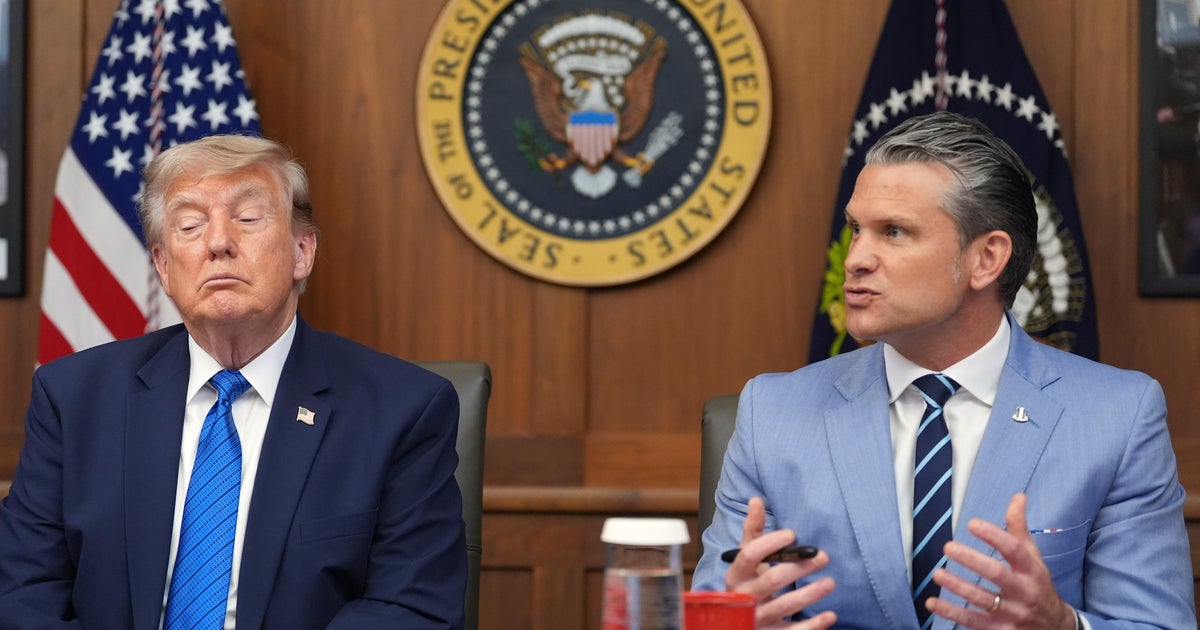
Defense Secretary Pete Hegseth confronts years-long failure to address weapons production gaps as tensions escalate in the Middle East.
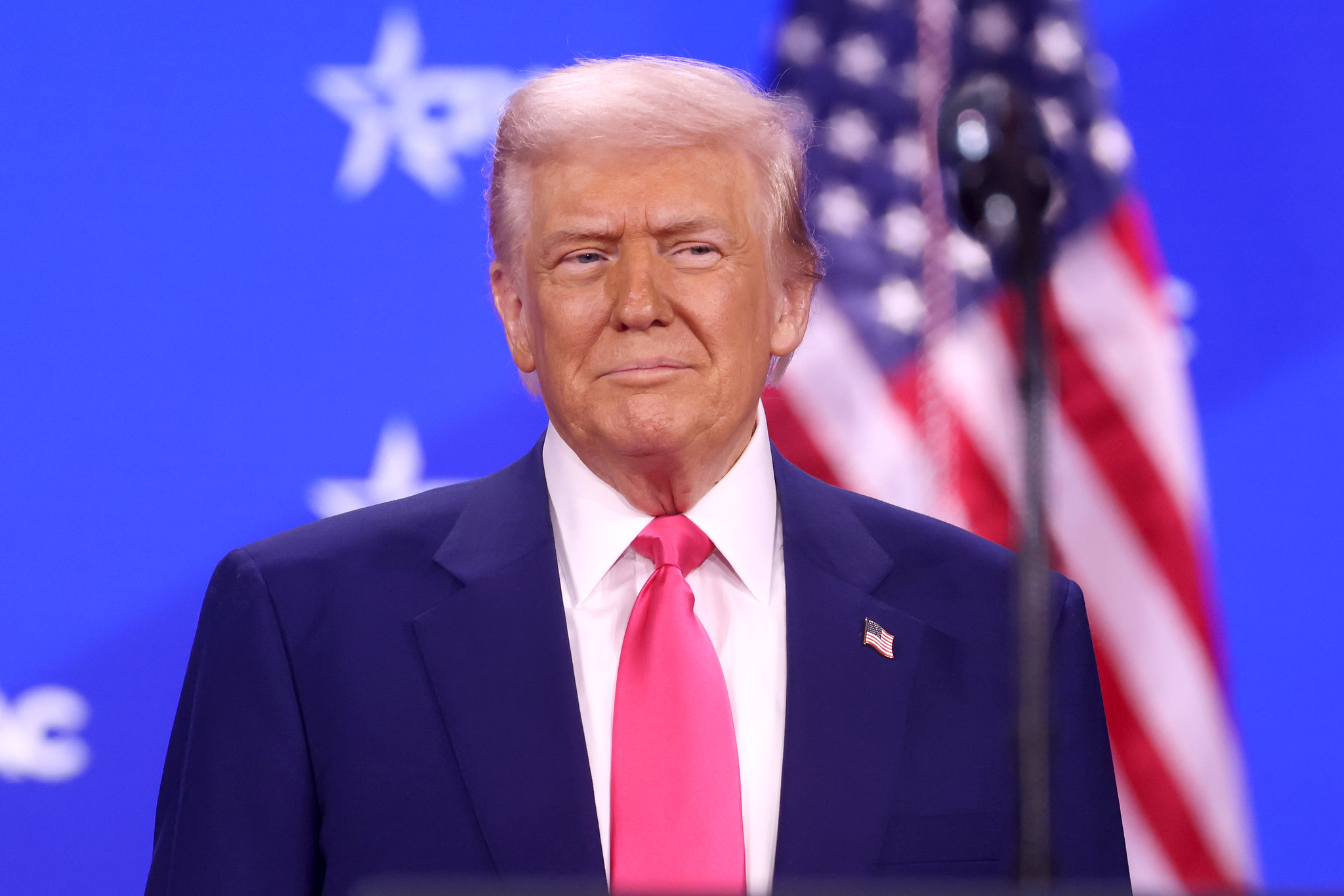
President Trump announced Monday that he had postponed a "very major attack" against Iran, leaving the Middle East on edge as Pakistan continues diplomatic efforts to end the escalating conflict. The announcement comes as Defense Secretary Pete Hegseth grapples with longstanding problems in America's military industrial base that have been exposed by the current Iran war.
The Pentagon and Congress have struggled for years to address critical shortcomings in the U.S. weapons production capacity, according to sources familiar with the matter. These deficiencies have become particularly apparent as military operations against Iran have strained existing stockpiles of advanced weaponry, including precision-guided munitions and drone systems that are central to modern warfare.
Hegseth is now taking on the challenge of rebuilding America's defense manufacturing capabilities, a problem that has persisted through multiple administrations. The current conflict has highlighted gaps in production capacity for key weapons systems, forcing military planners to carefully manage inventory while maintaining operational readiness across multiple theaters.
Pakistan's ongoing mediation efforts represent one of the few diplomatic channels still active between Washington and Tehran. Pakistani officials have been working to de-escalate tensions and find a pathway to end hostilities, though the success of these efforts remains uncertain given the volatile nature of the current situation.
The president's decision to delay military action suggests that diplomatic options may still be under consideration, even as the Pentagon prepares for potential future operations. The combination of industrial base challenges and regional diplomatic pressures creates a complex strategic environment that will test the administration's ability to balance military readiness with broader geopolitical considerations in the critical Persian Gulf region.