Pentagon in Talks to Take Equity Stakes in U.S. Drone Makers, Sending Trump Jr.-Backed Unusual Machines Up Nearly 50%
The Office of Strategic Capital is weighing debt and equity deals that could give the federal government direct ownership of domestic drone manufacturers, a plan likely to draw conflict-of-interest scrutiny.

The Pentagon is in talks to take direct financial stakes in American drone manufacturers, according to a report by The Wall Street Journal — a potential intervention that sent shares of Trump-linked Unusual Machines surging nearly 50 percent and revived debate over conflicts of interest in defense procurement.
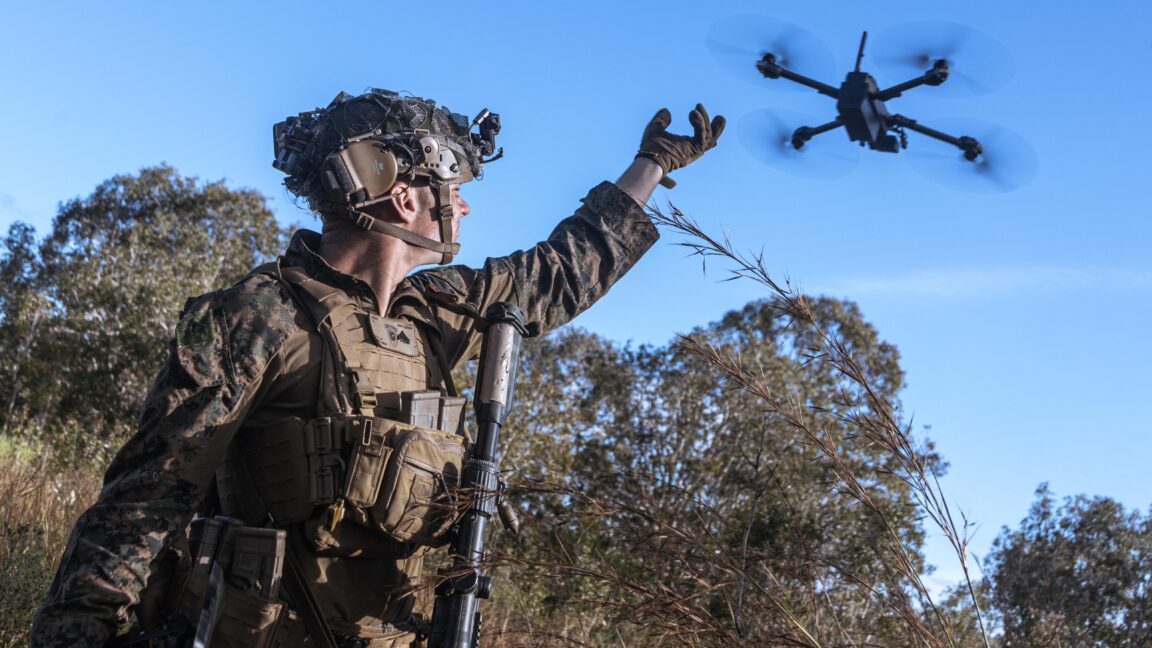
The discussions, described as months in the making, run through the Office of Strategic Capital, a Pentagon lending and investment unit focused on companies deemed critical to national-security supply chains. Officials are weighing a mix of debt and equity financing that could, in some cases, give the federal government an outright ownership position in the drone makers it backs. The goal, people familiar with the talks say, is to expand domestic production and drive down the cost of small drones — weapons that the war in Ukraine has shown can reshape the modern battlefield at a fraction of the price of traditional munitions.
Unusual Machines was named among the companies under consideration, alongside Performance Drone Works, which holds an existing Army reconnaissance-drone contract, and Neros Technologies, a Sequoia Capital-backed startup specializing in first-person-view drones. The mere possibility of federal backing rippled across the sector, lifting a basket of drone and defense-technology stocks as investors bet that government dollars could underwrite a wave of expansion.
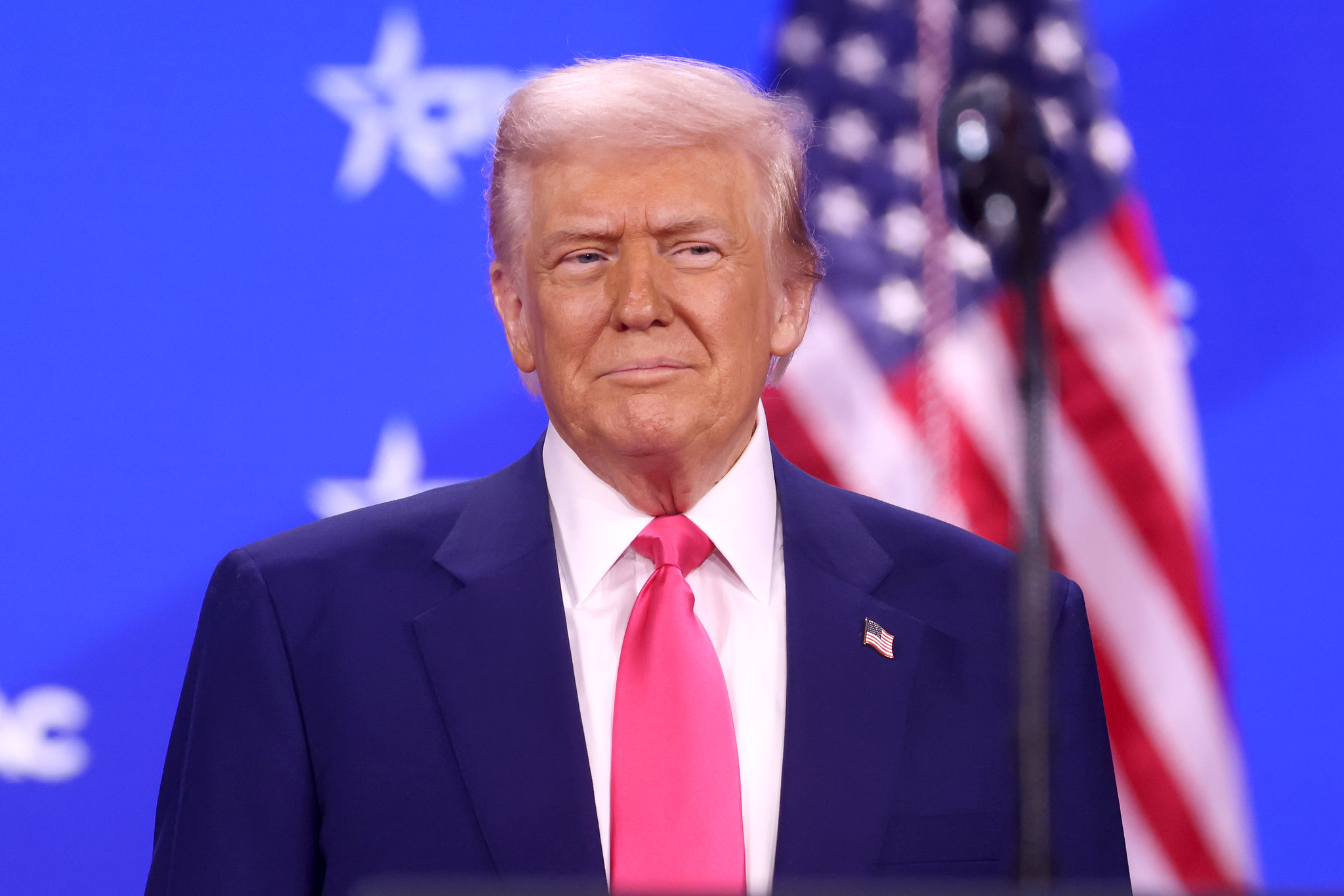
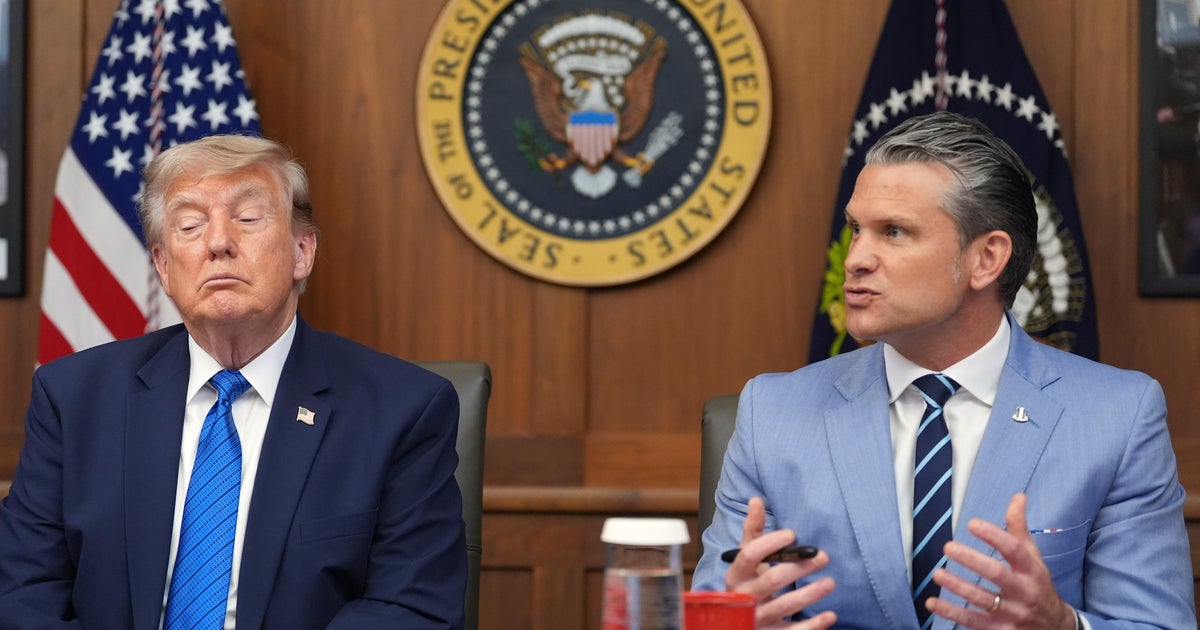
But the prospect of a deal involving Unusual Machines carries political baggage. Donald Trump Jr., the eldest son of President Trump, is a shareholder in the company and sits on its advisory board. Any agreement that directs taxpayer money or a government equity stake toward a firm tied to the president's family would almost certainly invite congressional scrutiny and conflict-of-interest objections, particularly from Democrats already critical of the administration's blurring of public and private interests.
The talks reflect a broader shift in how Washington thinks about industrial policy for defense, moving from traditional contracts toward direct capital infusions modeled on tools more common in venture finance. Proponents argue the United States cannot afford to lag China in drone manufacturing capacity and that conventional procurement is too slow to stand up a domestic base. Skeptics warn that government ownership stakes blur the line between regulator and investor and could distort competition in a young, fast-moving industry. No deal has been finalized, and the companies involved declined to comment in detail, but the report alone was enough to reorder a corner of the market overnight.
The urgency behind the talks owes much to the war in Ukraine, where inexpensive first-person-view drones have repeatedly destroyed tanks and armored vehicles worth orders of magnitude more, upending assumptions about the economics of combat. U.S. officials have grown alarmed that China dominates the global commercial-drone supply chain, leaving American forces dependent on components from a strategic rival. By offering capital directly to domestic manufacturers, the Pentagon hopes to seed a homegrown industry capable of producing drones at scale and at low cost — but doing so through a unit empowered to act like a venture investor would mark one of the most aggressive uses yet of the government's balance sheet to shape a defense market.