Google Unveils 'Googlebooks' Android-Powered Laptops Coming This Year
Tech giant announces new category of Android-based laptop computers designed to compete with Chromebooks and traditional Windows machines.
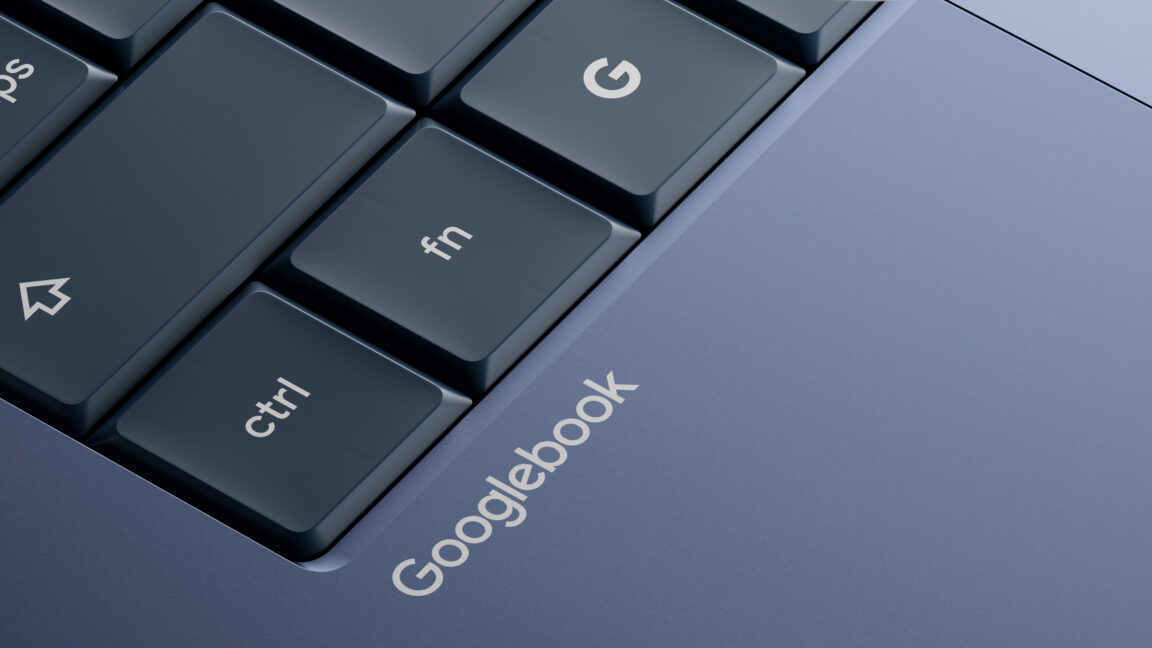
Google has officially announced plans to launch Android-powered laptops called "Googlebooks" later this year, marking the company's latest attempt to expand Android beyond smartphones and tablets into the traditional laptop computing market. The new devices represent a significant strategic shift for Google, which has previously focused on Chrome OS for laptop and desktop computing through its successful Chromebook line. Industry analysts view the move as Google's effort to create a unified ecosystem that spans mobile devices and traditional computers using a single operating system.
The Googlebooks initiative builds on recent improvements to Android that have made the mobile operating system more suitable for larger screens and productivity tasks. Google has been steadily enhancing Android's multitasking capabilities, keyboard and mouse support, and desktop-style applications to bridge the gap between mobile and computer experiences. The company's decision to brand the devices as "Googlebooks" rather than "Android laptops" suggests an effort to create a distinct product category that can compete directly with Apple's MacBooks and Microsoft's Surface devices.
Timing for the Googlebooks launch comes as the laptop market continues to evolve, with consumers increasingly demanding devices that can seamlessly transition between mobile and desktop computing experiences. The COVID-19 pandemic accelerated adoption of remote work and digital learning, creating sustained demand for versatile computing devices that combine portability with productivity features. Google's Android ecosystem already supports millions of applications, potentially giving Googlebooks a significant software advantage over competitors.
The announcement signals Google's confidence in Android's maturity as a platform capable of supporting traditional computing workflows while maintaining the simplicity and security that have made Android smartphones popular worldwide. Developers have been optimizing Android applications for larger screens and more complex input methods, creating a foundation for laptop-style computing experiences. The integration of Google's cloud services and artificial intelligence capabilities could provide additional differentiation for the new devices.
Industry observers expect Googlebooks to target education markets, enterprise users, and consumers seeking affordable alternatives to traditional laptops. The devices will likely compete with both Chromebooks and entry-level Windows laptops, potentially creating internal competition within Google's own product lineup. Success will depend on Google's ability to convince consumers and enterprise customers that Android can deliver desktop-class productivity while maintaining the mobile advantages that have made the platform dominant in smartphones.