Microsoft Unveils Project Solara: Android OS Designed for AI Agents Instead of Apps
Tech giant reimagines mobile operating system architecture to prioritize autonomous AI agents over traditional applications. The experimental platform represents fundamental shift in how users might interact with devices.
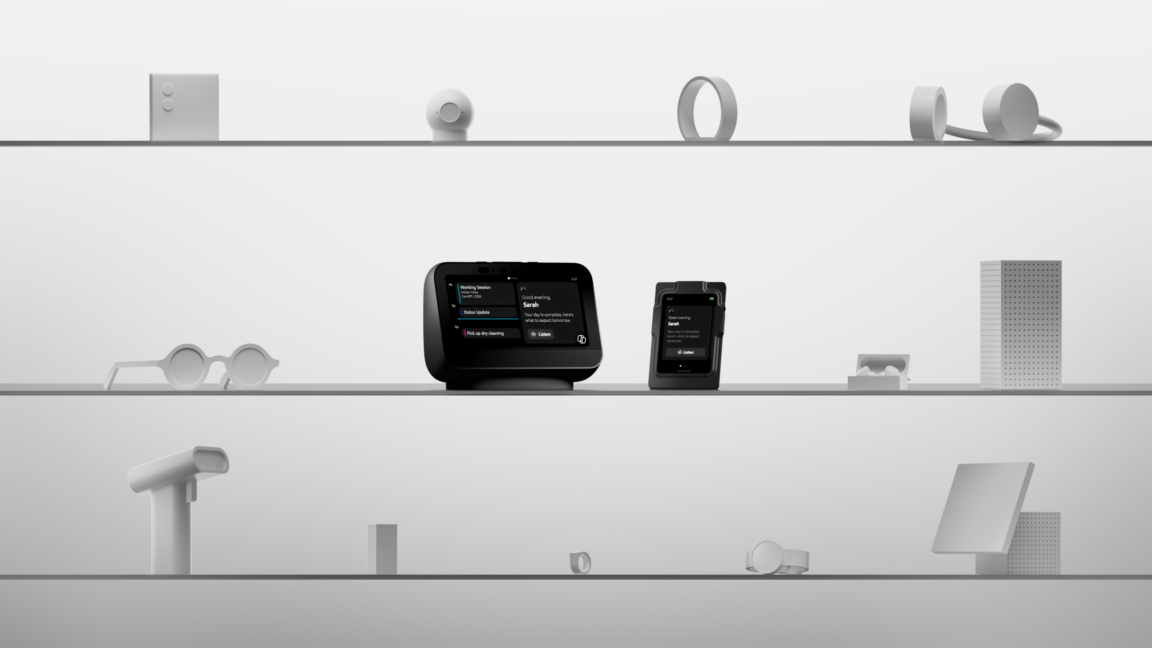
Microsoft has announced Project Solara, an experimental Android-based operating system that represents a fundamental departure from traditional mobile interfaces by prioritizing AI agents over conventional applications. The project reimagines how users interact with mobile devices, moving away from the app-centric model that has dominated smartphones for over a decade toward a system where autonomous AI agents handle most user tasks and requests. This shift reflects Microsoft's broader strategy of integrating artificial intelligence deeply into computing experiences, potentially transforming how people access information and complete digital tasks.
Project Solara is built on Android's open-source foundation but features a completely redesigned user interface and interaction model optimized for AI-driven workflows. Instead of launching specific apps for different functions, users would communicate with AI agents that can access multiple services and data sources to complete complex, multi-step tasks autonomously. The system is designed to understand natural language requests and coordinate between different digital services without requiring users to manually navigate between applications or learn specific software interfaces.
The experimental operating system represents Microsoft's vision of a post-app future where artificial intelligence serves as the primary intermediary between users and digital services. Early demonstrations suggest that Project Solara could handle tasks ranging from scheduling meetings and booking travel to managing personal finances and coordinating smart home devices through conversational interactions with AI agents. The system would theoretically reduce the cognitive load on users by eliminating the need to remember which apps perform which functions or how to navigate complex software interfaces.
Microsoft's decision to build Project Solara on Android rather than developing a completely proprietary system reflects the company's pragmatic approach to mobile innovation. By leveraging Android's existing ecosystem and developer tools, Microsoft can focus on the AI agent technology while ensuring compatibility with existing mobile hardware and basic Android functionality. This strategy also allows the company to potentially reach Android's massive global user base if the project proves successful in testing phases.
The announcement comes as the technology industry increasingly focuses on AI-powered interfaces and autonomous agents as the next evolution in human-computer interaction. Major tech companies are investing heavily in conversational AI systems that can understand context, maintain memory across interactions, and perform complex tasks with minimal user input. Project Solara represents Microsoft's ambitious attempt to integrate these capabilities at the operating system level, potentially setting the stage for a fundamental transformation in mobile computing if users embrace the agent-based interaction model.