Microsoft Unveils Project Solara: Android OS Redesigned for AI Agents
Tech giant develops specialized operating system that prioritizes autonomous agents over traditional mobile applications.
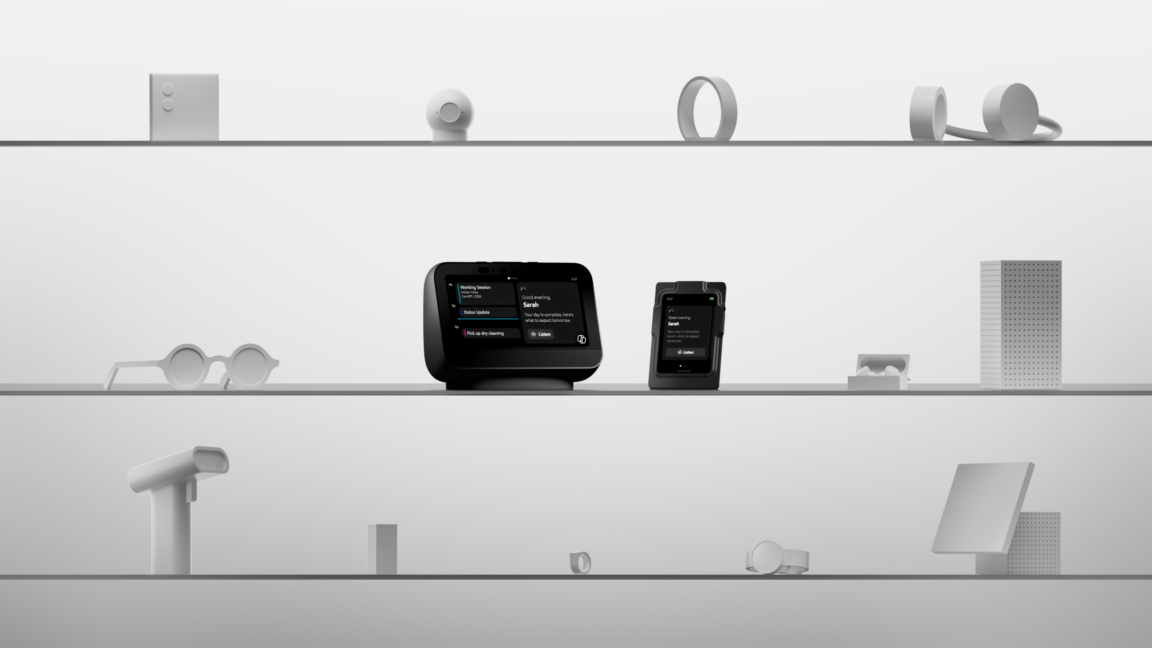
Microsoft has announced Project Solara, an ambitious reimagining of the Android operating system specifically designed to support AI agents rather than conventional mobile applications. The project represents a fundamental shift in how users might interact with mobile devices, moving away from the app-centric model that has dominated smartphones for over a decade toward a system where artificial intelligence agents handle tasks autonomously.
Unlike traditional Android implementations that organize functionality around individual applications, Project Solara structures the user experience around intelligent agents capable of executing complex, multi-step tasks across different services and platforms. This approach reflects Microsoft's broader strategy of integrating AI capabilities throughout its product ecosystem, extending the company's investment in artificial intelligence from productivity software into mobile operating systems.
The timing of Project Solara's announcement coincides with Microsoft's parallel development of Linux tools and RTX Spark desktop environments for Windows developers, suggesting a comprehensive platform strategy aimed at different user segments. While traditional Windows users receive enhanced development tools, Project Solara targets mobile users who may prefer AI-assisted task completion over manual app navigation.
Industry analysts view the project as Microsoft's attempt to carve out a distinct niche in the mobile operating system market, which has been dominated by Google's standard Android implementation and Apple's iOS. By focusing on agent-based interactions, Microsoft aims to differentiate its mobile platform offering while leveraging its significant investments in artificial intelligence and machine learning technologies.
The success of Project Solara will likely depend on Microsoft's ability to convince both device manufacturers and software developers to embrace an agent-first mobile experience. The project faces significant challenges in building developer ecosystem support and ensuring compatibility with existing Android applications, while also delivering AI capabilities sophisticated enough to justify departing from familiar app-based interfaces that users have grown accustomed to over the past fifteen years.