Google Unveils Screenless Fitbit Air and Health App to Replace Fitbit Platform
Tech giant introduces new wearable device without display alongside comprehensive Google Health app as part of major fitness tracking ecosystem overhaul.
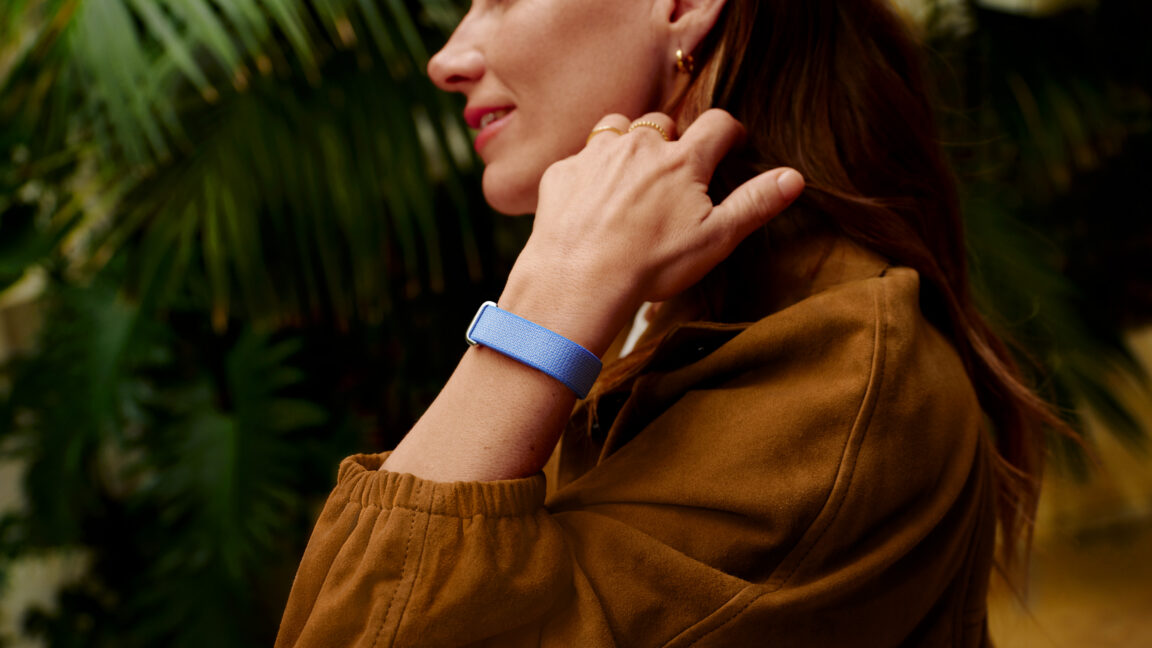
Google has announced a major overhaul of its fitness tracking ecosystem with the introduction of the screenless Fitbit Air device and a new Google Health app designed to replace the existing Fitbit platform. The Fitbit Air represents a significant departure from traditional fitness wearables by eliminating the screen entirely, focusing instead on continuous health monitoring without the distraction of notifications or display interactions. The device is part of Google's broader strategy to integrate health and fitness tracking more deeply into its ecosystem while simplifying the user experience.
The screenless design of the Fitbit Air reflects a growing trend toward less intrusive wearable technology that prioritizes long-term health monitoring over immediate feedback and notifications. By removing the display, Google has been able to focus on extending battery life and improving the device's sensor accuracy while reducing manufacturing costs. The device continues to track standard fitness metrics including steps, heart rate, sleep patterns, and activity levels, but users must rely on their smartphones or other devices to view the collected data.
The accompanying Google Health app serves as the central hub for all fitness and health data collected by the Fitbit Air and other compatible devices. This new application is designed to eventually replace the existing Fitbit app entirely, providing users with a more comprehensive view of their health data integrated with Google's broader health and wellness services. The app promises more advanced analytics, personalized insights, and integration with Google's AI capabilities to provide more meaningful health recommendations.
Google's decision to phase out the Fitbit branding in favor of its own health platform represents a significant shift in the company's approach to wearable technology. Since acquiring Fitbit, Google has gradually been integrating the fitness tracking company's technology and user base into its broader ecosystem. The transition to Google Health marks the completion of this integration process and signals Google's commitment to competing more directly with Apple Health and other comprehensive health platforms.
The launch comes as the wearable technology market continues to evolve, with consumers increasingly demanding devices that provide meaningful health insights rather than simply tracking basic metrics. Google's focus on AI-powered health analysis and integration with its broader services ecosystem could provide advantages over competitors who offer more isolated fitness tracking experiences. The success of the Fitbit Air and Google Health app will likely depend on how effectively Google can convince existing Fitbit users to embrace the new platform while attracting new customers who value the simplified, screen-free approach to health monitoring.