Original Chromecast Devices Mysteriously Fail Worldwide, Then Suddenly Recover
First-generation streaming devices experienced widespread outages this week before returning to normal operation without explanation.
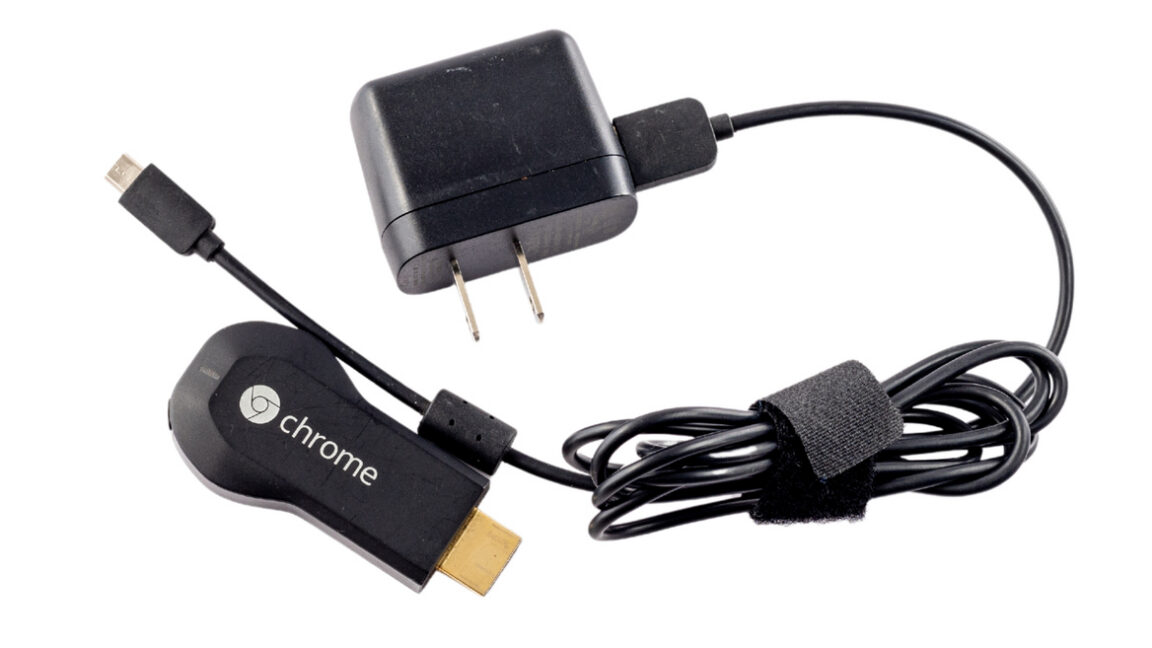
Users of first-generation Chromecast devices experienced widespread stress this week when their streaming devices suddenly stopped functioning across multiple regions, only to mysteriously return to normal operation without any official explanation from Google. The simultaneous failure and recovery of these older devices has raised questions about the longevity of aging smart home technology and the potential for coordinated technical issues affecting legacy hardware.
The outage appeared to affect Chromecast devices from the original 2013 launch, which represented Google's initial foray into the streaming device market and helped establish the company's presence in home entertainment technology. These first-generation devices, while no longer actively sold or supported with regular updates, remain in use by millions of consumers who have relied on them for streaming video content from smartphones, tablets, and computers to their television screens.
Reports of device failures began emerging earlier this week, with users across different geographic regions noting that their Chromecasts became unresponsive, failed to connect to WiFi networks, or displayed error messages when attempting to cast content. The widespread nature of the failures suggested a coordinated issue rather than isolated hardware problems, leading to speculation about potential server-side changes or automated updates that might have inadvertently disabled older hardware.
What made the situation particularly puzzling was the sudden restoration of functionality that occurred without any apparent intervention from users or official communication from Google. Devices that had been completely unresponsive began working normally again, suggesting that whatever caused the initial failure was reversed through automated systems or remote adjustments. The lack of official acknowledgment or explanation from Google has left users uncertain about the stability of their devices going forward.
The incident highlights broader concerns about the lifecycle of connected devices and the dependency of consumer electronics on cloud services and remote servers. As smart home devices age and manufacturers shift focus to newer products, users face increasing uncertainty about continued support and functionality. The mysterious nature of both the failure and recovery has led some technology analysts to speculate about the challenges companies face in maintaining legacy hardware while transitioning to newer platforms and services.