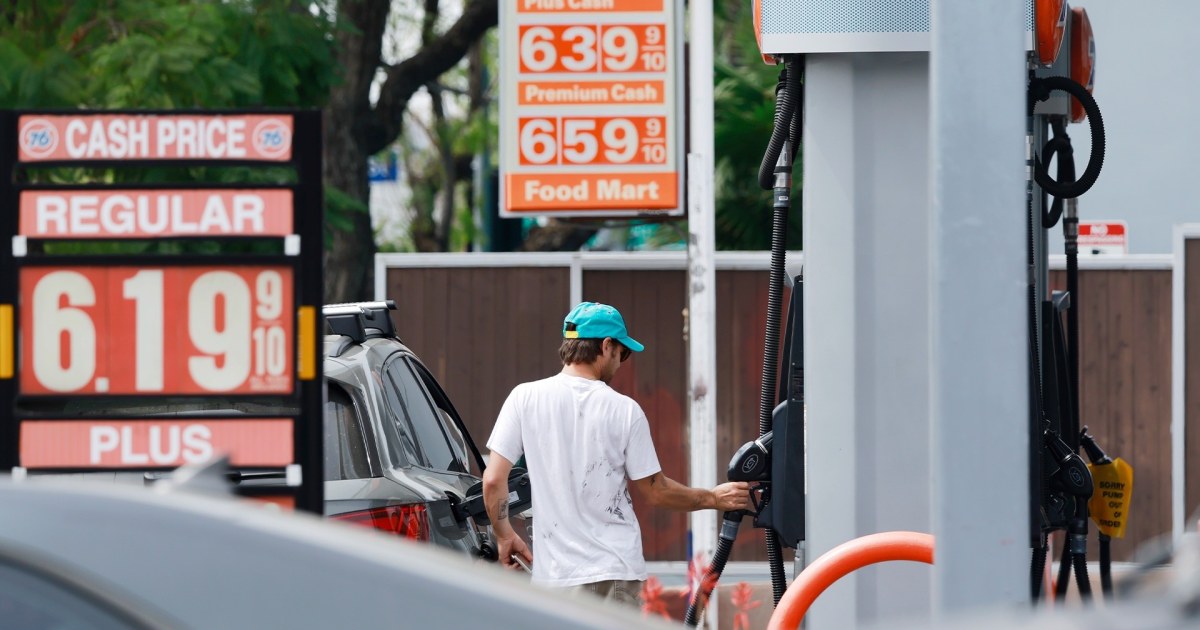
Gas Prices Vary Dramatically by County During Iran War Crisis
An NBC News analysis reveals stark regional differences in how the Iran conflict has affected fuel costs across America.
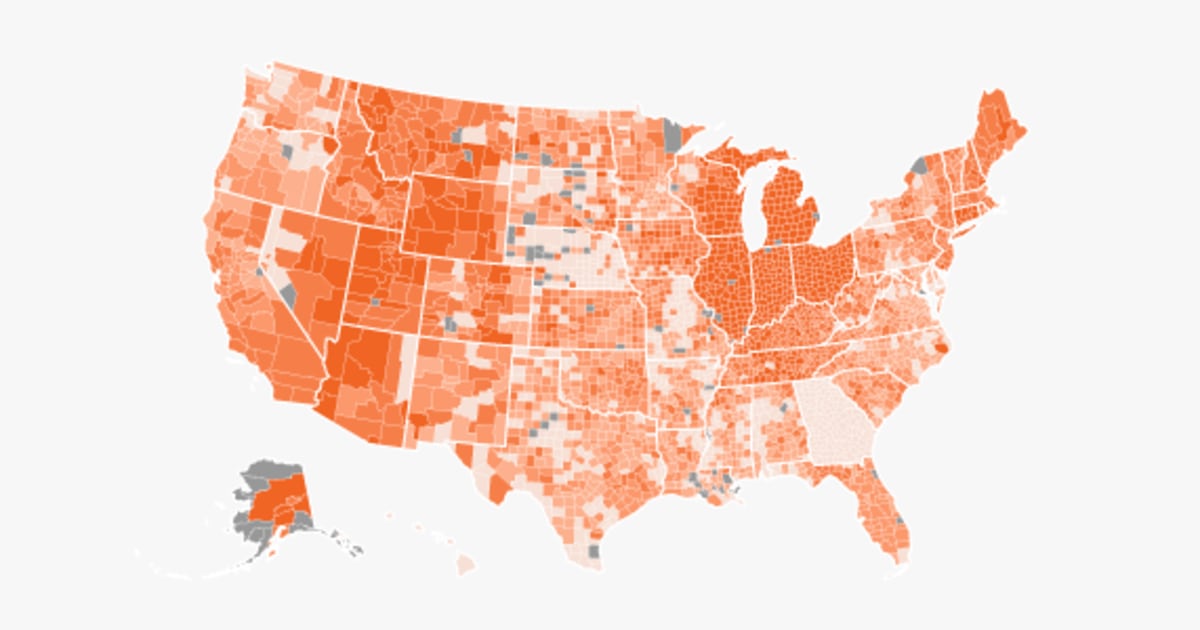
The ongoing conflict with Iran has created a patchwork of dramatically different gas price impacts across American counties, with some regions experiencing severe price spikes while others have seen more modest increases, according to a comprehensive NBC News analysis of AAA gas price data. The analysis reveals that geographic location, regional refining capacity, and local distribution networks have created significant disparities in how the Iran war has affected American drivers at the pump. These differences highlight the complex regional dynamics of the U.S. fuel distribution system during times of international crisis.
The data shows that counties in certain regions have been hit particularly hard by the Iran-related oil price volatility, with some areas seeing increases of several dollars per gallon since the conflict began. Coastal regions with heavy dependence on imported oil have generally experienced steeper price increases compared to areas closer to domestic production centers. The analysis also reveals that counties with limited refining infrastructure or those dependent on specific supply routes have proven more vulnerable to price shocks during the international crisis.
Regional refining capacity has emerged as a critical factor determining local gas price impacts during the Iran war. Counties served by refineries with greater operational flexibility and diverse crude oil sourcing have generally experienced smaller price increases compared to areas dependent on facilities with limited feedstock options. The conflict has also highlighted the importance of strategic petroleum reserves and regional storage capacity in buffering local markets against sudden supply disruptions or price spikes.
Transportation infrastructure and distribution networks have played equally important roles in determining local price impacts across different counties. Areas with multiple pipeline connections and diverse supply routes have generally maintained more stable pricing compared to regions dependent on single transportation modes or limited distribution channels. The analysis shows that counties with direct access to major pipeline networks have often experienced smaller price increases than those dependent on truck delivery or other more expensive transportation methods.
The Iran war's impact on gas prices has created significant economic stress for American households, with the effects varying dramatically based on geographic location. Counties that have experienced the largest price increases are seeing corresponding impacts on local economic activity, consumer spending patterns, and commuting behaviors. The NBC News analysis provides crucial insights into how international conflicts translate into local economic impacts, demonstrating that national average gas prices can mask significant regional variations that affect millions of Americans differently based on where they live. These geographic disparities in fuel costs are likely to influence everything from local economic development patterns to political attitudes toward energy policy and international intervention.