Oil Prices Surge 80% as Iran War Drives Biggest Single-Day Jump in Six Years
Nationwide gas prices hit $4.08 per gallon for unleaded and $5.51 for diesel as ongoing Middle East conflict disrupts global energy markets.

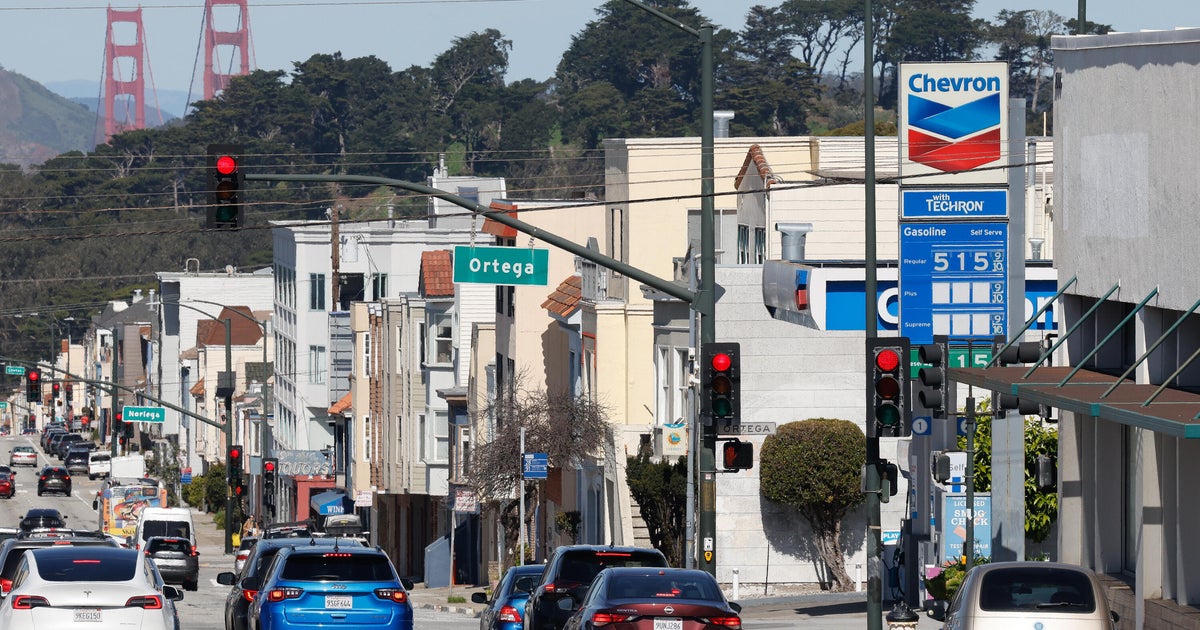
U.S. oil markets experienced their most dramatic single-day price increase in six years as ongoing conflict with Iran continues to disrupt global energy supplies and drive fuel costs to levels not seen since previous Middle Eastern crises. The surge has pushed the average cost of gasoline nationwide to $4.08 per gallon for unleaded fuel and $5.51 for diesel, representing a significant burden for American consumers and businesses already grappling with economic pressures from the extended conflict. Stock markets swung sharply in response to the energy price volatility, reflecting investor uncertainty about the duration and ultimate economic impact of the Iran situation.
The dramatic price increase reflects market fears about sustained disruption to global oil supplies as the Iran conflict enters its fourth week with no clear resolution in sight. Energy traders are particularly concerned about the potential for expanded military operations that could affect additional oil-producing regions or critical shipping lanes beyond the already-closed Strait of Hormuz. The current price surge represents an approximately 80% increase in jet fuel costs, forcing airlines to implement immediate cost-cutting measures and fee increases to offset the dramatic rise in operational expenses.
United Airlines became the second major U.S. carrier within a week to announce significant increases in checked bag fees, raising them by $10 as the airline industry struggles to cope with soaring fuel costs. The fee increases represent airlines' attempts to offset fuel expense increases that threaten to eliminate profit margins on many routes. Industry analysts predict that additional carriers will implement similar fee structures as they seek to maintain financial stability amid unprecedented fuel cost pressures that show no signs of immediate relief.
The energy price crisis has broader implications for the U.S. economy beyond transportation costs. Industries heavily dependent on fuel, including trucking, manufacturing, and agriculture, face mounting pressure as diesel prices reach levels that threaten operational viability. Farm operations, already under stress from trade disruptions and weather-related challenges, now confront fuel costs that could push many agricultural producers toward financial crisis. The combination of high energy costs and ongoing supply chain disruptions creates a challenging environment for economic recovery.
Financial markets reflected the uncertainty surrounding energy costs and their potential impact on economic growth. Traders are closely monitoring developments in the Iran conflict while attempting to assess whether current price levels represent temporary disruption or a longer-term shift in global energy dynamics. The Federal Reserve faces increasing pressure to consider how energy price increases might affect monetary policy decisions, particularly given concerns about inflation and economic stability. Market analysts suggest that sustained energy price increases at current levels could force significant adjustments to economic forecasts and policy responses across multiple sectors.