Someone Bolted Steel Pipes to Dutch Railway Tracks at More Than 20 Sites Before Dawn, Tripping Signals Across the Country Hours Before the King Opened Parliament. The Intelligence Service Is Now Involved.
ProRail called it 'sabotage of the railway infrastructure' after safety systems failed at more than 30 locations and a train struck one of the pipes at Steenwijk. By afternoon, hay bales were burning on three motorways, a tactic linked to farmer protests.
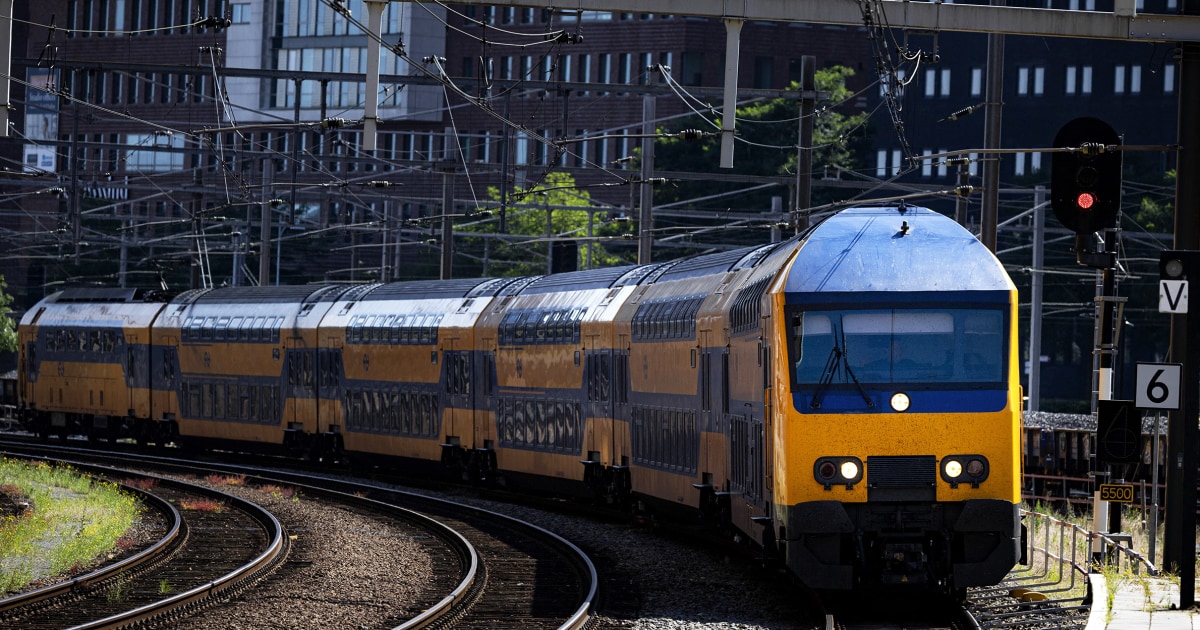
Train service across the Netherlands collapsed on Tuesday morning after railway workers found lengths of steel pipe, some up to 2 meters long, fastened to the tracks at more than 20 locations in the center and east of the country. The pipes bridged the rails and tripped the track circuits that tell the signaling system a train is present, turning signals red across the network. ProRail, the state-owned infrastructure operator, said safety systems had been disrupted at more than 30 places and that it was treating the episode as a deliberate, coordinated attack.
"We discovered materials that had been deliberately placed there," ProRail spokeswoman Joke van der Cruysen said. "We are therefore now classifying this as sabotage of the railway infrastructure." The first pipes were found during inspections at about 5:30 a.m. local time. The Amersfoort-Zwolle, Utrecht-Arnhem, Arnhem-Zutphen and Zwolle-Leeuwarden lines were hit hardest, and knock-on delays spread through Zwolle, Deventer and Amersfoort during the morning rush. One train struck a section of pipe at Steenwijk; nobody was hurt. International services to Germany were disrupted, closed level crossings backed up road traffic, and the national operator NS's journey-planner app went down at the height of the commute.
The timing was hard to miss. Tuesday was Prinsjesdag, the ceremonial state opening of parliament in The Hague, where King Willem-Alexander delivers the speech from the throne and the government presents its budget. This year's budget for 2027 has already drawn protests from trade unions angry about cuts to social benefits and from farmers fighting nitrogen-pollution rules, and farmers had announced demonstrations in The Hague for the day. Officials stopped short of linking the sabotage to the ceremony, but the AIVD, the Dutch intelligence and security service, joined the police and prosecutors in the investigation within hours.
By afternoon the picture had another layer. Hay bales were set alight on the A2, A7 and A28 motorways, a signature of the Farmers Defence Force, whose spokesman Mark van den Oever had warned of "wildcat actions" against the government's nitrogen policy. The group did not claim the rail sabotage. Extinction Rebellion denied any involvement, though seven of its members were arrested for spray-painting during the parliamentary opening. Junior transport minister Annet Bertram called the tampering "extremely concerning" and said it demanded a thorough investigation. Nobody has been arrested for the pipes.
The method is what worries rail engineers. Track circuits are one of the oldest safety technologies on the railway; a low-voltage current runs through the rails, and a train's wheels short it out, which is how the system knows a section is occupied and holds signals at danger behind it. A steel pipe clamped across both rails does the same thing. It is cheap, needs no electronics and fails safe, which means the saboteurs could paralyze the network without derailing a single train. That is either a mercy or a message, depending on who did it and why.
Europe has seen a run of suspected Russian-linked sabotage against rail lines, most notably in Poland, and Dutch officials will have to rule that out. Investigators have not suggested a foreign hand here, and the domestic protest movements have an obvious motive and a track record of blocking roads. NS said it hoped to restore service through Amersfoort, Zwolle and Deventer after midday. The question of who spent the small hours of Tuesday morning bolting pipes to railway lines across Gelderland remains open.
Originally reported by NBC News.