A Drone Exploded 100 Yards Inside Bulgaria, Next to a Gas Pipeline. Kyiv Says It Wasn't Aiming There
The blast went off at 5 a.m. Saturday about 200 meters from a Romanian compressor station on the Trans-Balkan line. Bulgaria's defense ministry says the wreckage looks Ukrainian.
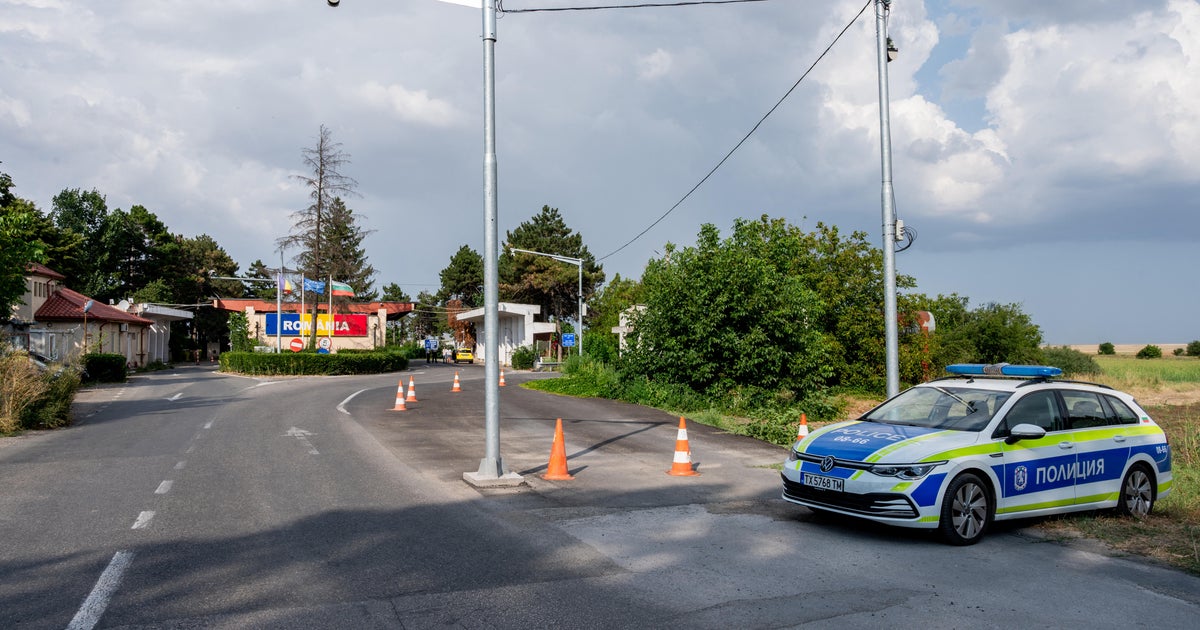
An explosive-carrying drone detonated about 109 yards inside Bulgarian territory early Saturday, close enough to the Trans-Balkan gas pipeline that the blast raised the possibility of a NATO member losing critical energy infrastructure to a weapon nobody intended to send there.
The explosion happened around 5 a.m. The strength of the blast and the column of black smoke that followed indicated the aircraft was carrying a substantial explosive load. It went off roughly 200 meters from a Romanian compressor station on the pipeline and about 0.6 miles from Bulgaria's own compressor station on the same line. No casualties or damage to the pipeline were reported.
Bulgaria's defense ministry said the wreckage resembled Ukrainian military equipment and that the incident appeared to be accidental rather than deliberate. Ukraine did not dispute the origin so much as the intent. "Ukraine did not deliberately target Bulgaria," foreign ministry spokesperson Heorhii Tykhyi said, adding that Kyiv was investigating and that the two governments were in "close contact" to establish what happened.
Rumen Radev announced that Bulgaria would deploy border police anti-drone detection and countermeasure capabilities along the full length of its northern and southeastern frontier — "from the border with Turkey to the border with Romania." That is a substantial commitment for a country that has largely watched the drone problem from the sidelines while Poland and Romania dealt with it.
Both Bulgaria and Romania are members of NATO and the European Union, which is what converts a stray aircraft into a policy problem. Since Russia's full-scale invasion of Ukraine, drones have crossed into alliance airspace repeatedly, most often over Romania, whose Danube delta sits directly across the water from Ukrainian port infrastructure that Russia attacks nightly. Each incident forces the same uncomfortable calculation: whether an unintended incursion by anyone's drone triggers anything at all under a treaty built around deliberate attack.
The location matters as much as the explosion. The Trans-Balkan pipeline was originally built to move Russian gas south through Ukraine, Moldova and Romania into Bulgaria and on to Turkey and Greece. Since 2020 it has been run in reverse, carrying gas northward from Greek and Turkish entry points into Ukraine and Moldova — which makes it one of the routes keeping Ukraine supplied through winter. A compressor station is the least redundant part of such a system; losing one does not just interrupt flow at that point, it constrains the whole corridor.
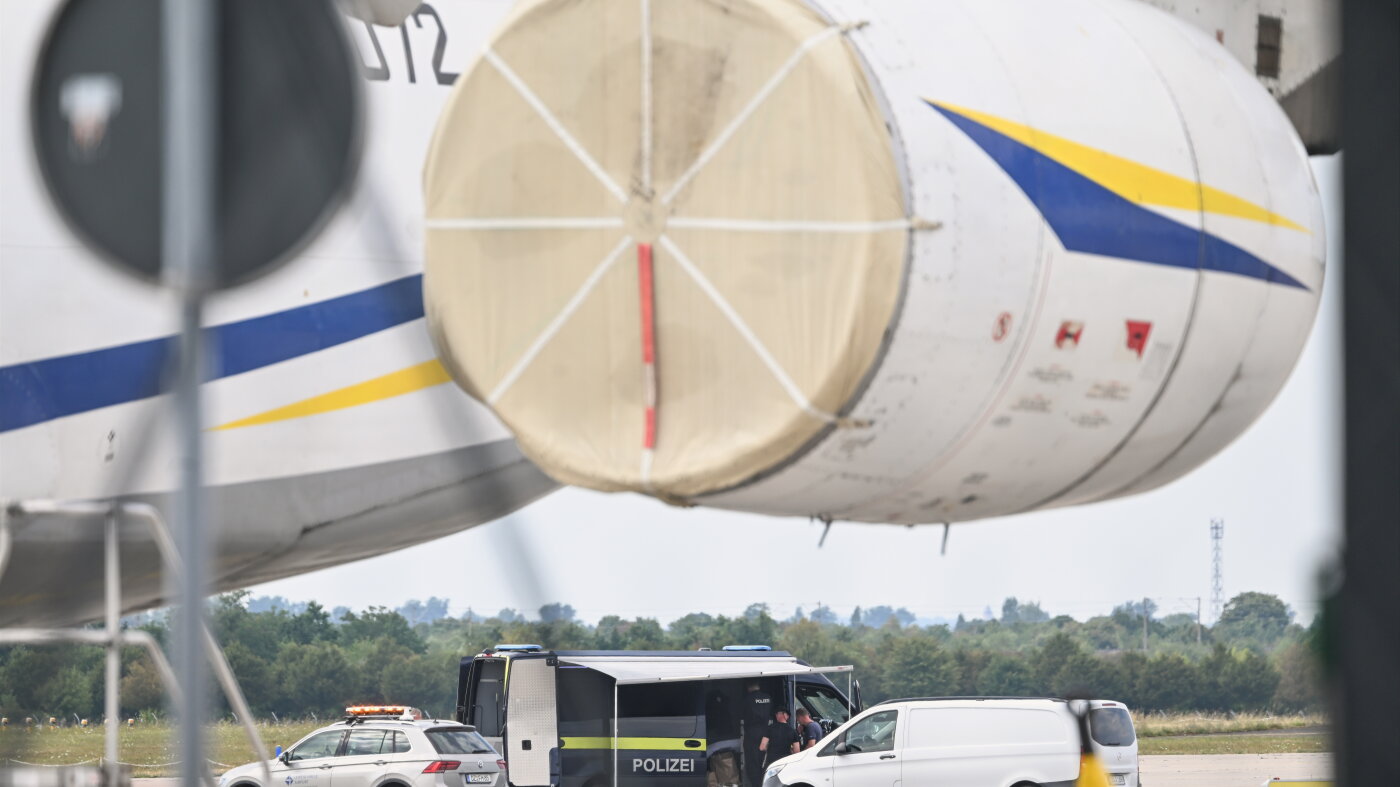
Saturday's blast follows a run of similar incidents across the alliance's eastern flank. An explosive-laden drone was found at the airport in Leipzig, Germany, and assessed as Russian in origin. Drones have been spotted over German military bases in recent days, and a Russian missile crossed into Poland last month. Against that pattern, an errant Ukrainian aircraft is the more reassuring explanation — which says something about where the baseline now sits.