Russian Drone Strikes Romanian Apartment Building, Heightening NATO Anxiety
The attack on Romanian territory has increased concerns about alliance solidarity and Washington's commitment to collective defense.

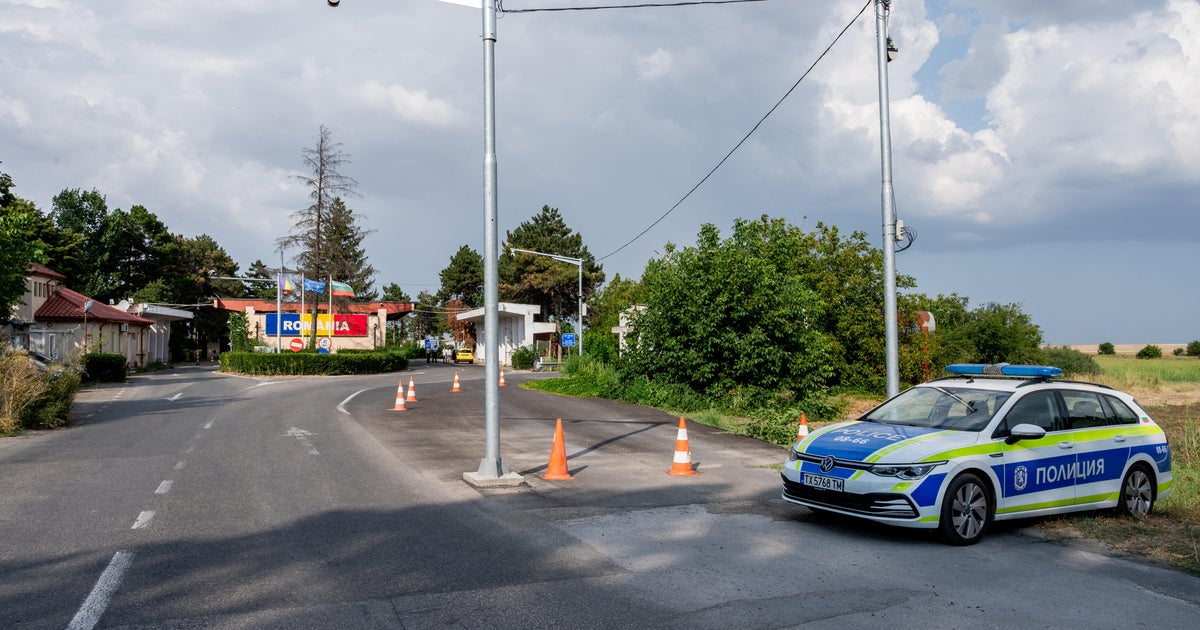
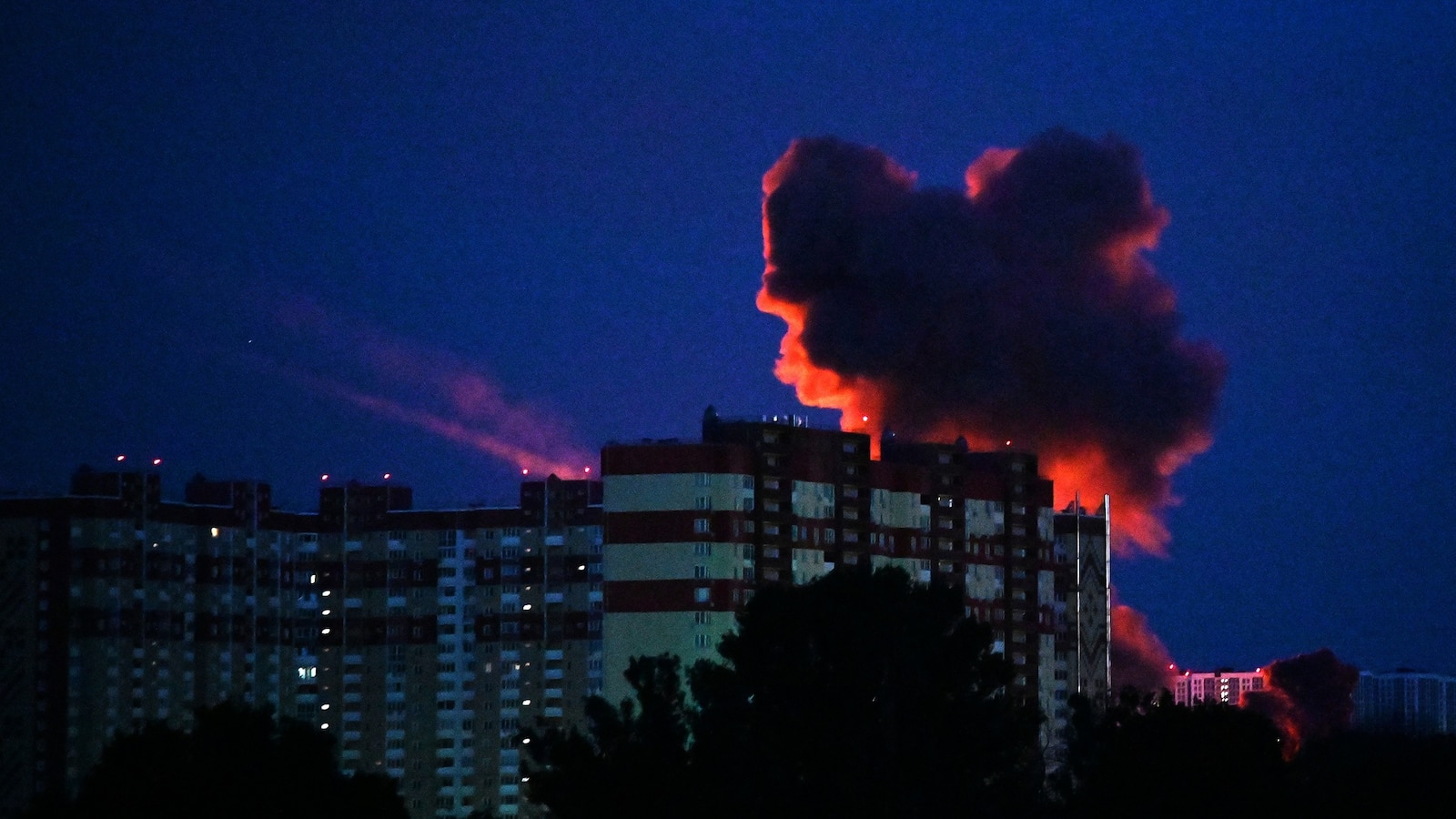
A Russian drone crashed into an apartment building in eastern Romania, marking a dangerous escalation that brought the Ukraine war directly into NATO territory and heightened anxiety across the alliance about Moscow's intentions and Western response capabilities. The incident occurred when the unmanned aircraft, apparently targeting Ukrainian infrastructure near the border, crossed into Romanian airspace and struck civilian housing in a dramatic reminder of how the conflict continues to threaten European security.
The attack sent shockwaves through the apartment complex as residents experienced what officials described as "a big bang, a fire and panic" when the drone penetrated the building's exterior. Emergency responders rushed to the scene to evacuate residents and assess damage, while Romanian authorities immediately launched an investigation into the circumstances surrounding the border violation. No deaths were reported, but several residents required medical treatment for injuries and smoke inhalation.
The failure to intercept the drone before it reached Romanian territory has significantly increased anxiety about NATO's defensive capabilities and the alliance's solidarity in responding to direct attacks on member nations. European officials expressed concern that the incident demonstrates gaps in air defense systems along the alliance's eastern border, where the proximity to active combat zones creates ongoing risks for civilian populations.
Romanian government officials condemned the attack as a violation of their nation's sovereignty and called for enhanced NATO support to prevent similar incidents. The government emphasized that while they understand the challenges of border security during active warfare, attacks on civilian infrastructure within NATO territory cannot be tolerated. Romanian leaders indicated they would seek additional air defense systems and closer coordination with alliance partners to protect their population.
The drone strike has broader implications for European confidence in collective defense arrangements, as it raises questions about how effectively NATO can protect smaller member states from spillover effects of the Ukraine conflict. Alliance officials are now reviewing defense postures along the eastern border while grappling with the challenge of responding to attacks that may be accidental rather than intentional. The incident underscores growing concerns about Washington's commitment to Article 5 collective defense obligations and the alliance's ability to deter future Russian actions that threaten member state territory.