Defense Secretary Hegseth Vows U.S. Iran Blockade Will Continue 'As Long as It Takes'
American forces have intercepted 34 vessels since Trump imposed port restrictions, as Iran demands blockade removal before resuming peace talks.
Defense Secretary Pete Hegseth declared that the United States will maintain its naval blockade of Iranian ports for "as long as it takes," as the Iran conflict has evolved into a volatile standoff in the strategically critical Strait of Hormuz with no clear resolution in sight. The blockade, implemented under direct orders from President Trump, has successfully intercepted 34 vessels attempting to reach Iranian ports since its inception, demonstrating the scope and intensity of the maritime operation.
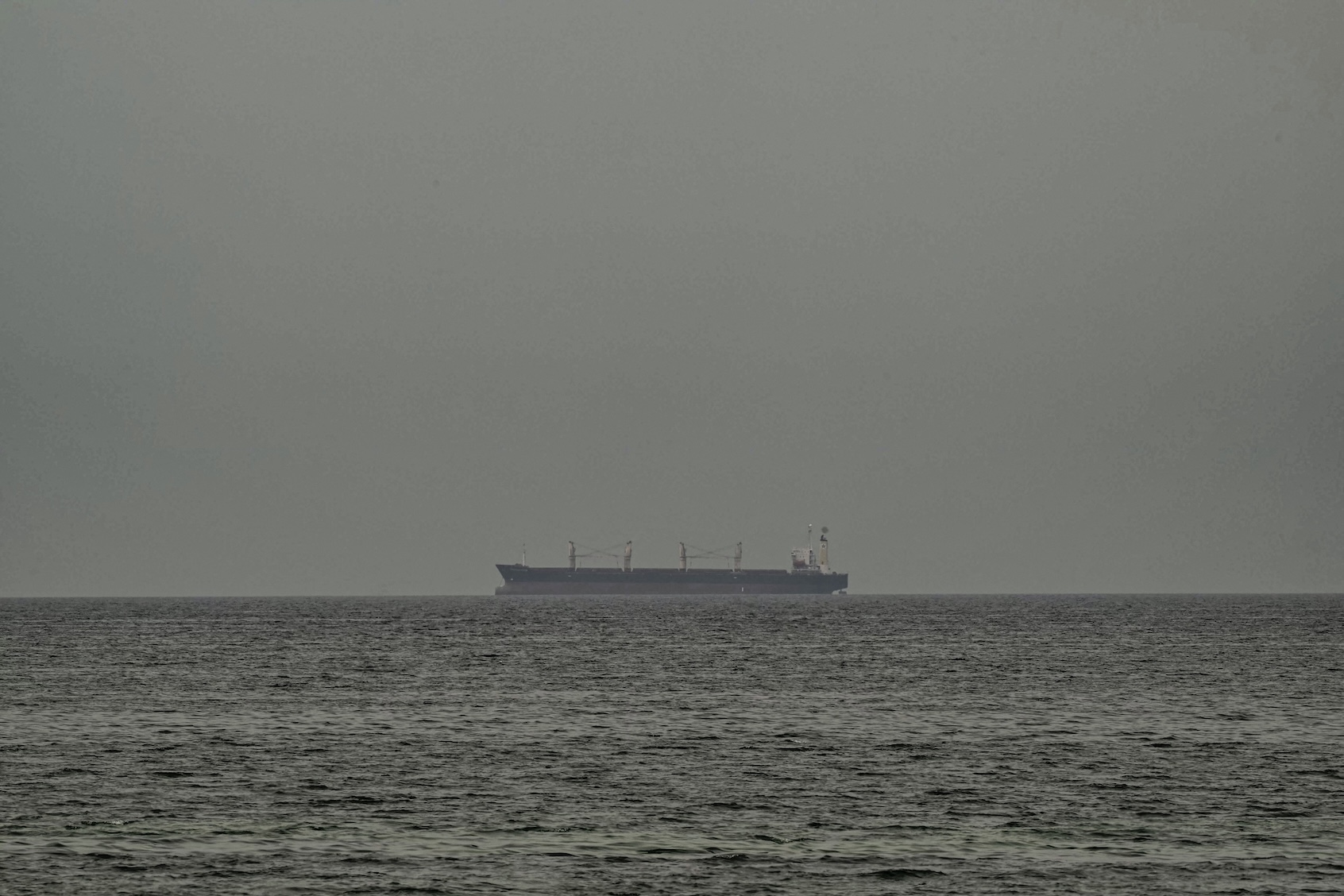
The Strait of Hormuz has become the focal point of escalating tensions, transforming what began as a broader regional conflict into a concentrated maritime confrontation with global economic implications. This narrow waterway, through which approximately one-third of the world's seaborne oil passes, has become a strategic chokepoint where American naval forces are conducting round-the-clock monitoring and interdiction operations. The military commitment represents one of the largest sustained naval operations in the region since the Persian Gulf conflicts of previous decades.
Iran has made the lifting of the port blockade a non-negotiable precondition for resuming diplomatic talks aimed at ending the broader conflict. Iranian officials have characterized the blockade as an act of economic warfare that prevents essential supplies from reaching their population, while American military leaders maintain that the restrictions are necessary to prevent weapons shipments and maintain pressure on the Iranian government. This diplomatic impasse has effectively frozen peace negotiations, with neither side showing willingness to make the first concession.
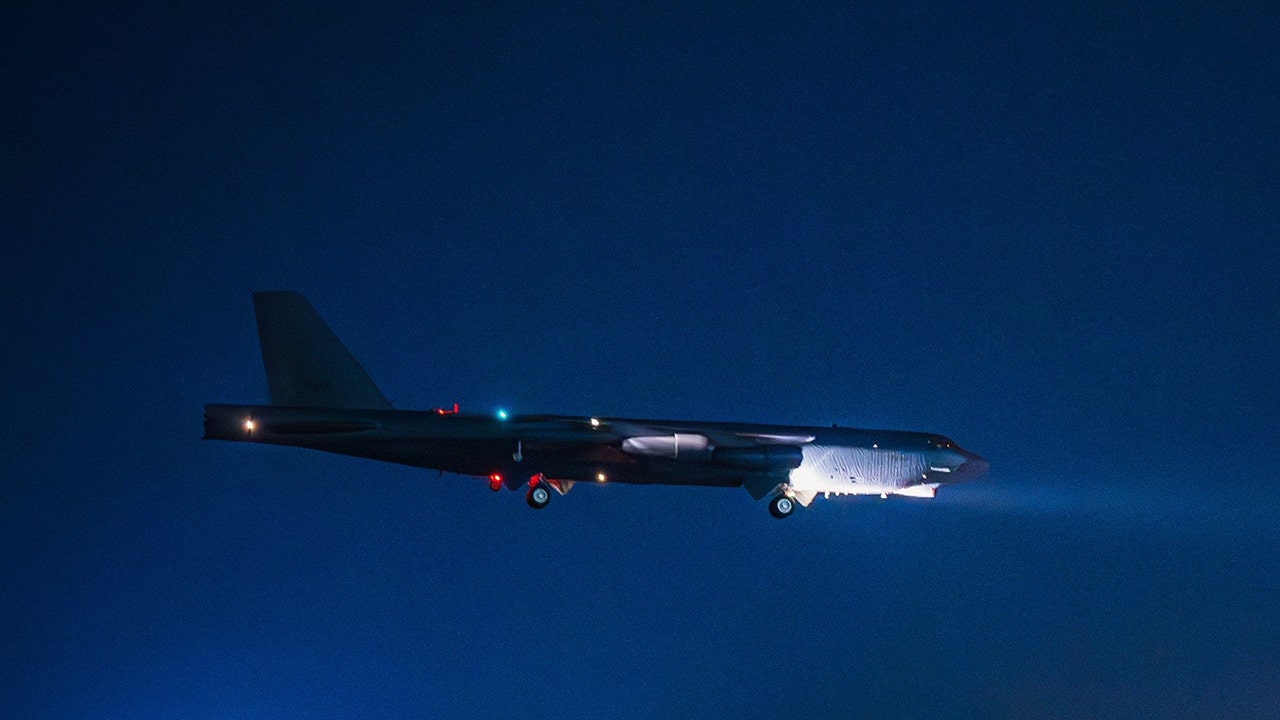
The sustained naval operation has placed significant strain on U.S. military resources, requiring the deployment of multiple carrier groups and support vessels to maintain effective coverage of Iran's extensive coastline. Military analysts note that the operation demands continuous vigilance and coordination among various branches of the armed forces, creating logistical challenges that extend beyond the immediate theater of operations. The interdiction of 34 vessels demonstrates both the determination of various actors to test the blockade and the effectiveness of American enforcement efforts.
As the maritime standoff continues, economic costs are mounting for both nations and the broader global community. Shipping insurance rates have increased dramatically for vessels operating in the region, while alternative supply routes have created additional expenses and delays for international trade. The economic pressures from the prolonged engagement have begun affecting domestic American politics, with President Trump facing increasing scrutiny about the war's duration and costs as his approval ratings decline to historic lows.