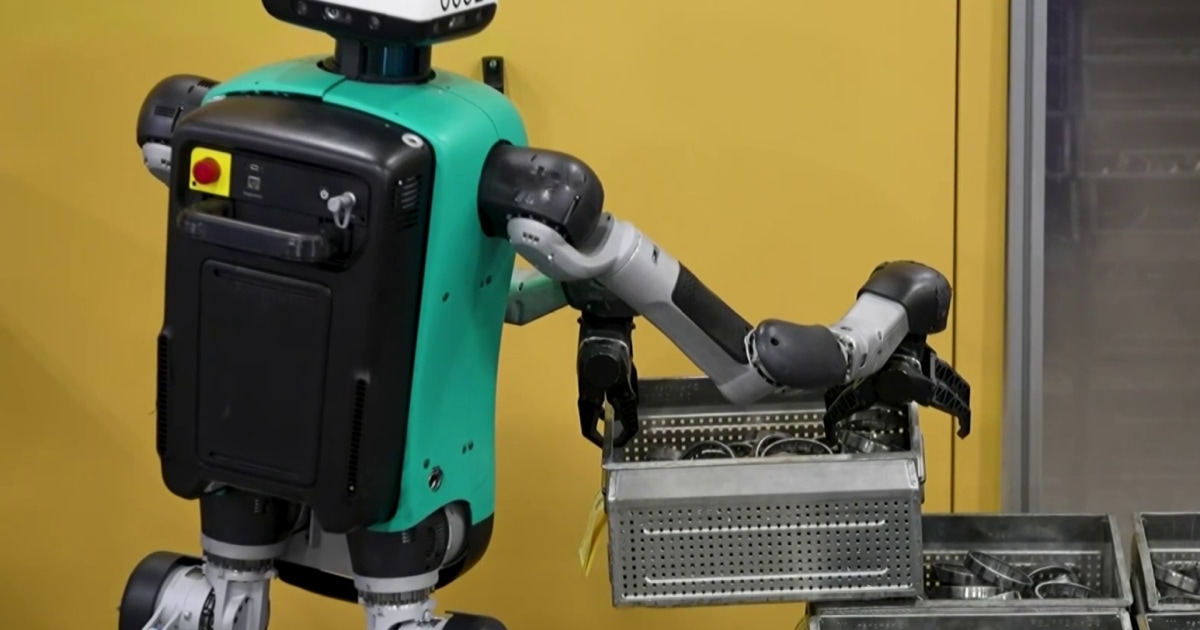
AI Economy Reshapes American Dream as Blue-Collar Workers Emerge as Big Winners
Companies like Ford and AT&T ramp up skilled trade recruiting while AI-driven hiring slowdowns hit entry-level positions for college graduates.

The artificial intelligence revolution is fundamentally reshaping the American job market in unexpected ways, with blue-collar and skilled trade workers emerging as surprising winners while some entry-level positions traditionally filled by college graduates face significant hiring slowdowns driven by AI automation.
Major corporations including Ford and AT&T are dramatically expanding their recruitment efforts for skilled trade workers, electricians, mechanics, and other hands-on professions that remain largely immune to AI displacement. These companies recognize that manufacturing, infrastructure maintenance, and technical installation work require human expertise that current AI systems cannot effectively replicate.
The shift represents a reversal of decades-long trends that emphasized four-year college degrees as the primary pathway to middle-class prosperity. Instead, workers with specialized technical skills and trade certifications are finding themselves in increasingly high demand, often with starting salaries that match or exceed those available to recent college graduates in many fields.
Entry-level knowledge work positions, particularly in areas like content creation, data analysis, and administrative support, are experiencing the most significant impact from AI integration. Companies are discovering that AI tools can handle many routine tasks previously performed by junior employees, leading to reduced hiring in these categories and forcing recent graduates to compete for fewer available positions.
Labor economists suggest this trend could accelerate in coming years as AI capabilities continue to expand into traditionally white-collar domains. The transformation is prompting educators, policymakers, and career counselors to reconsider conventional wisdom about educational pathways and to place greater emphasis on technical skills training that complements rather than competes with artificial intelligence systems.