Humanoid Robots Take Over Manual Jobs at South Carolina Auto Parts Plant
Schaeffler facility deploys robotic workers for manufacturing tasks as industry debates impact on human employment and workforce displacement.
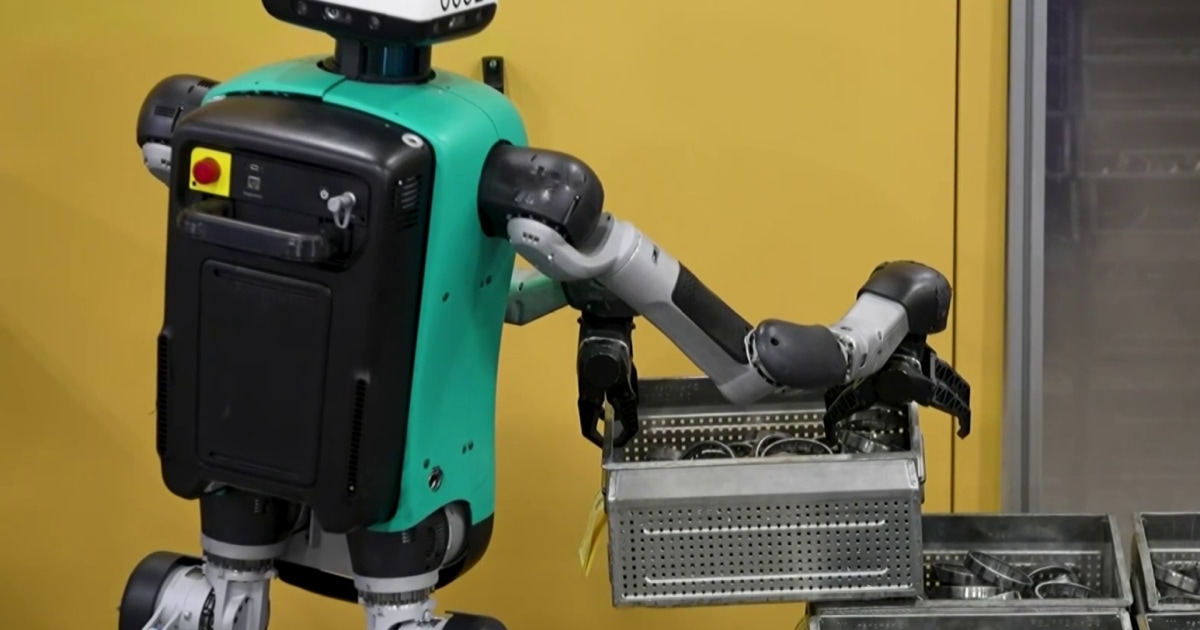
Humanoid robots have begun performing manual tasks at the Schaeffler auto parts manufacturing plant in Cheraw, South Carolina, marking a significant milestone in the integration of advanced robotics into American manufacturing. The deployment represents one of the first large-scale implementations of humanoid robots in a traditional manufacturing environment, where the machines are taking on repetitive and physically demanding tasks previously performed by human workers. Schaeffler, a German automotive and industrial supplier, has positioned the robotic integration as part of a broader modernization effort to improve efficiency and competitiveness.
The humanoid robots at the Cheraw facility are designed to perform various manual operations, including parts handling, assembly tasks, and quality control procedures. Unlike traditional industrial robots that are typically stationary and programmed for specific repetitive motions, these humanoid robots can navigate the factory floor and adapt to different tasks as needed. The robots feature advanced sensors and artificial intelligence capabilities that allow them to work alongside human employees and respond to changing production requirements.
Proponents of the robotic implementation argue that the technology will not replace human workers but rather displace them to different, potentially more skilled roles within the company. This approach reflects a growing trend in manufacturing where automation is viewed as a tool to enhance human capabilities rather than eliminate jobs entirely. Workers at the facility are reportedly being retrained for supervisory roles, maintenance positions, and other functions that require human judgment and problem-solving skills that current robots cannot replicate.
The introduction of humanoid robots at Schaeffler comes as manufacturers across the United States face ongoing challenges related to labor shortages, aging workforces, and increasing global competition. By automating certain manual tasks, companies aim to maintain production levels while reducing their dependence on finding workers for physically demanding positions. The robots can operate continuously without breaks, potentially increasing overall productivity while handling tasks that may be ergonomically challenging for human workers over extended periods.
The Schaeffler deployment is being closely watched by other manufacturers and industry analysts as a potential model for broader robotic adoption in American manufacturing. The success or challenges encountered at the Cheraw facility could influence how quickly other companies embrace humanoid robotics and how they approach workforce integration. Industry experts note that while the technology offers significant potential benefits, successful implementation requires careful planning around worker retraining, maintenance infrastructure, and integration with existing production systems. The long-term impact on employment and manufacturing competitiveness will likely depend on how effectively companies manage the transition and whether displaced workers can successfully adapt to new roles within the evolving industrial landscape.