Walmart Settled the Government's Opioid Case Five Years After It Was Filed
Neither Side Will Say for How Much.
The Justice Department accused the chain of filling thousands of invalid prescriptions across roughly 4,600 pharmacies. At trial, the exposure was $67,627 per prescription.
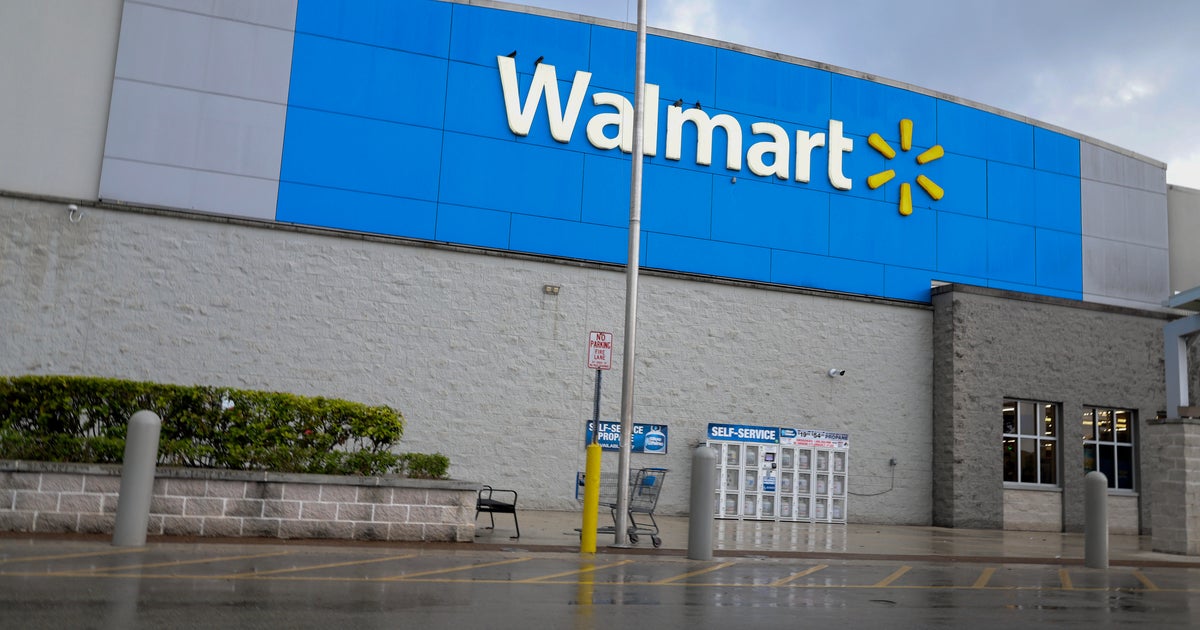
Walmart has settled the federal lawsuit accusing it of unlawfully dispensing opioids through its pharmacy chain, ending a case the Justice Department filed in December 2020. Neither the company nor the government disclosed the amount.
The complaint alleged that Walmart violated the Controlled Substances Act on two fronts. First, that its pharmacists filled thousands of prescriptions that were invalid on their face — wrong dosages, prescriptions written by doctors the company had internal reason to distrust, patients traveling implausible distances. Second, that Walmart failed in its separate legal obligation as a distributor to report suspicious orders flowing to its own stores.
Both duties are what the law calls the pharmacy's "corresponding responsibility": a prescription from a licensed physician is not, by itself, permission to dispense. The pharmacist is required to make an independent judgment, and a company operating at Walmart's scale is required to build systems that catch patterns no individual pharmacist can see.
The financial exposure was the reason the case mattered. Had Walmart lost at trial, the statute permitted penalties of $67,627 for each unlawfully filled prescription and $15,691 for each unreported suspicious order. Multiplied across a chain of roughly 4,600 pharmacies and a complaint that alleged violations numbering in the thousands, the theoretical ceiling ran into the billions.
A Walmart spokesperson said the company was "pleased to resolve this matter and will continue supporting the exceptional work our pharmacists do every day to provide outstanding patient care." The Justice Department framed the outcome differently: "We will continue to hold accountable companies and individuals whose unlawful prescribing, marketing, dispensing or distributing practices contributed to the opioid crisis and put American communities at risk."
The suit was one of the last major federal actions outstanding from the opioid litigation wave. More than 800,000 people in the United States died of opioid overdoses between 1999 and 2023, and the legal reckoning moved through the supply chain in stages — manufacturers first, then distributors, then the retail pharmacy chains that stood at the counter. CVS and Walgreens both reached multibillion-dollar agreements with states and local governments in 2022. Walmart participated in that state-level settlement as well, but the federal case brought by the Justice Department was separate, and it survived until Friday.
Undisclosed terms are not unusual in Controlled Substances Act resolutions, but they limit what the public learns. Without a dollar figure or an admission of liability, the settlement establishes no benchmark for the next chain and no public accounting of how many prescriptions the government believed were improperly filled.