DOJ Scraps Trump's $1.8 Billion 'Anti-Weaponization' Fund After Bipartisan Backlash
Acting Attorney General Todd Blanche told House lawmakers the department would not move forward with the fund created in Trump's IRS settlement, though provisions shielding the president's taxes remain.
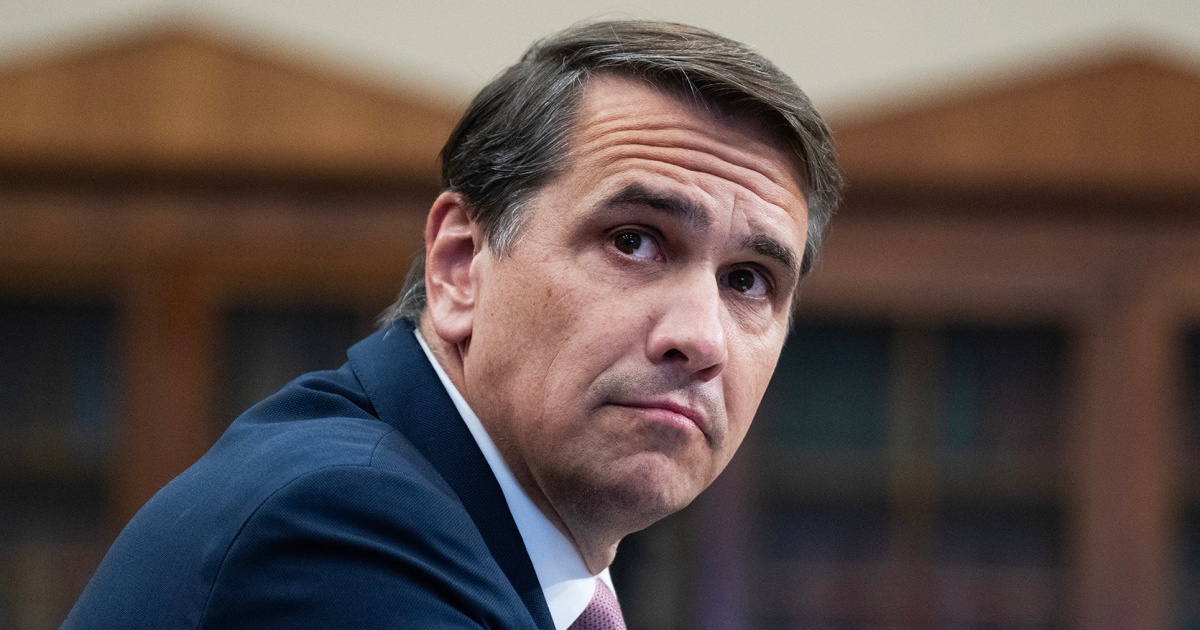
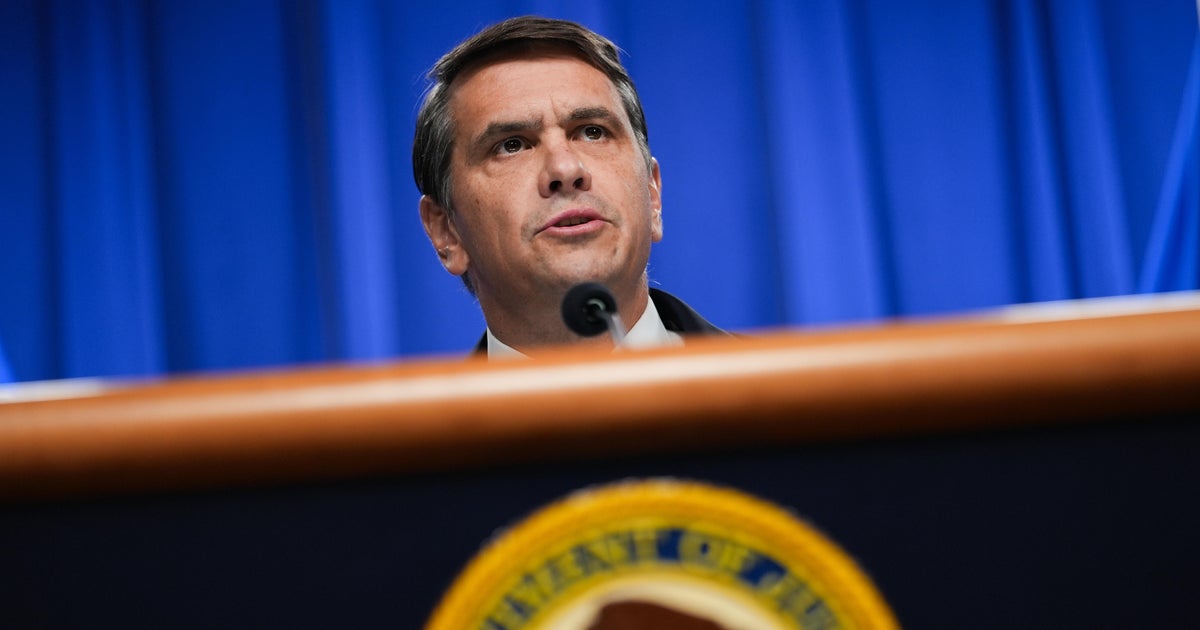
Acting Attorney General Todd Blanche told House lawmakers that the Justice Department is "not moving forward" with a nearly $1.8 billion "anti-weaponization" fund created as part of President Donald Trump's legal settlement with the IRS, abandoning a program that had drawn fierce criticism from both parties.
The fund traced back to a settlement announced last month in which Trump agreed to drop a $10 billion lawsuit he had filed against the Internal Revenue Service over the leak of his tax returns. In exchange, the government would establish a roughly $1.776 billion pool to compensate people who claimed they had been unfairly targeted by federal agencies. The arrangement also covered Trump's sons Donald Trump Jr. and Eric Trump, along with the Trump Organization.
Testifying before House appropriators, Blanche pointed to a department statement issued the previous day saying it would "abide" by a court ruling that had temporarily blocked the fund. Asked directly whether the program was dead, he said the administration would not pursue it — an apparent retreat after weeks of mounting pressure.
That pressure came from across the political spectrum. Rep. Kat Cammack, R-Fla., a Trump ally, derided the program as a "billion-dollar-plus slush fund" and declared it was "not the answer" to concerns about the weaponization of government. Democrats had gone further, casting the fund as a self-dealing payout engineered to benefit the president and his family at taxpayers' expense.
But Blanche signaled that the rest of the settlement would stand. The agreement included provisions that shielded Trump, his relatives and his companies from tax audits or enforcement actions tied to prior returns — protections that he said would remain in place even as the compensation fund is shelved. That distinction left open questions about how much of the controversial deal had actually been unwound.
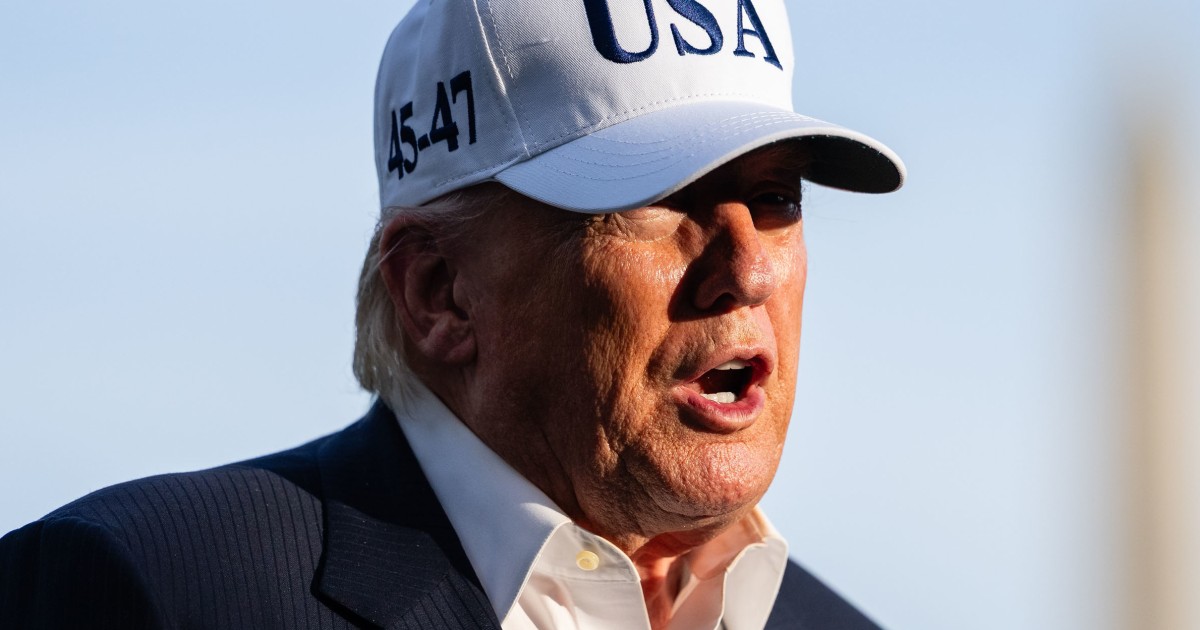
The picture grew murkier still when Trump himself appeared to contradict his own acting attorney general. Asked whether the fund was truly finished, the president said he was "not sure," adding, "I'd have to ask the lawyers." The comment underscored the uncertainty surrounding the program's fate and the unusual spectacle of a settlement that personally benefited the sitting president becoming a flashpoint within his own party. For now, the practical effect is that no money will flow through the fund, but the underlying settlement — and the tax protections it conferred — continues to draw scrutiny from lawmakers and watchdog groups who say the arrangement blurred the line between Trump's personal interests and the machinery of the federal government.