Ukraine Pivots to European Leaders as U.S. Steps Back From Peace Mediation
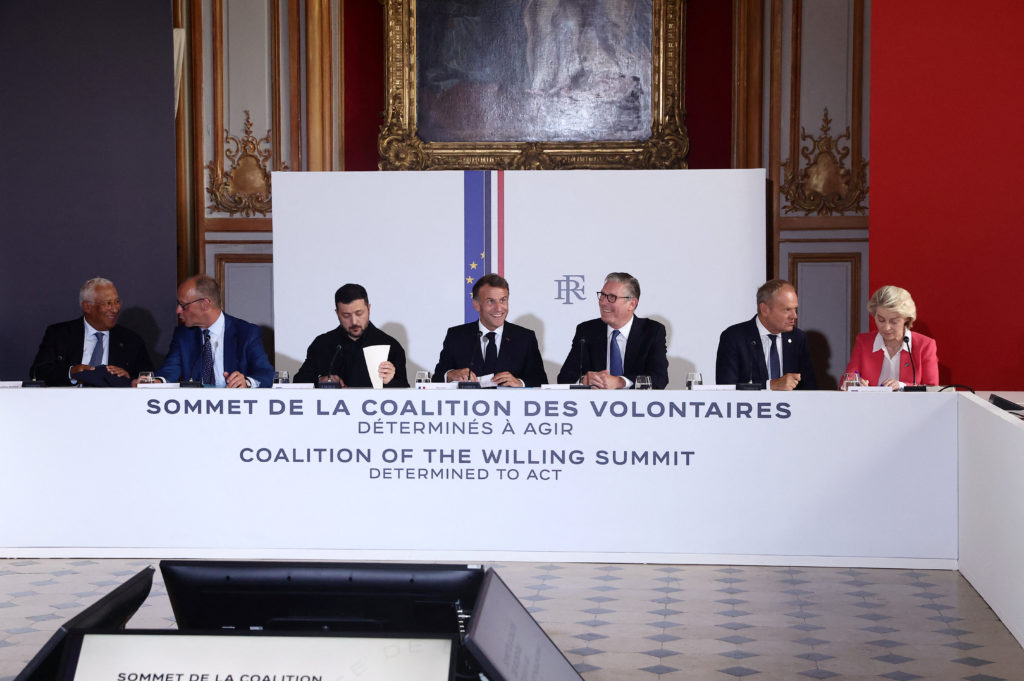
President Zelensky meets with Britain, Germany, and France leaders who could serve as negotiators in future talks with Russia.

Ukrainian President Volodymyr Zelensky traveled to London this week for crucial meetings with the leaders of Britain, Germany, and France, signaling a significant shift in diplomatic strategy as Ukraine turns to European allies to potentially mediate future peace negotiations with Russia. The meetings represent a notable pivot away from traditional U.S. leadership in international conflict resolution, reflecting changing geopolitical dynamics and America's reduced role in global diplomacy under the current administration.
Zelensky's discussions with British Prime Minister, German Chancellor, and French President focused on establishing a European-led framework for eventual peace talks with Russia. The Ukrainian leader explicitly identified these three nations as potential negotiators in future diplomatic efforts to end the ongoing conflict. This marks a departure from previous expectations that the United States would play the central mediating role in any comprehensive peace settlement between Ukraine and Russia.
The shift toward European leadership comes as the United States has stepped back from its traditional role as a primary mediator in international conflicts. American diplomatic sources indicate that the current administration has been less engaged in the intensive behind-the-scenes negotiations that typically characterize U.S. involvement in major international disputes. This reduced American presence has created space for European leaders to assume greater responsibility for regional security and conflict resolution.
European Union officials have expressed confidence in their ability to lead diplomatic efforts, pointing to their geographic proximity to the conflict and substantial economic and security interests in achieving a stable resolution. The three nations Zelensky met with represent the EU's largest economies and military powers, giving them significant leverage in potential negotiations with Russia. Their combined diplomatic weight could prove crucial in any future peace process.
The strategic realignment reflects broader changes in international relations, with European nations increasingly taking responsibility for regional security challenges rather than relying primarily on American leadership. Military analysts note that European countries have already taken the lead in providing certain types of military aid and coordinating defense assistance to Ukraine. The potential transition to European-led peace mediation represents a natural extension of this increased European engagement in addressing the conflict's long-term resolution.