Ubuntu Infrastructure Remains Down for More Than 24 Hours
The extended outage affects millions of developers and organizations worldwide who rely on Ubuntu's package repositories and development tools.
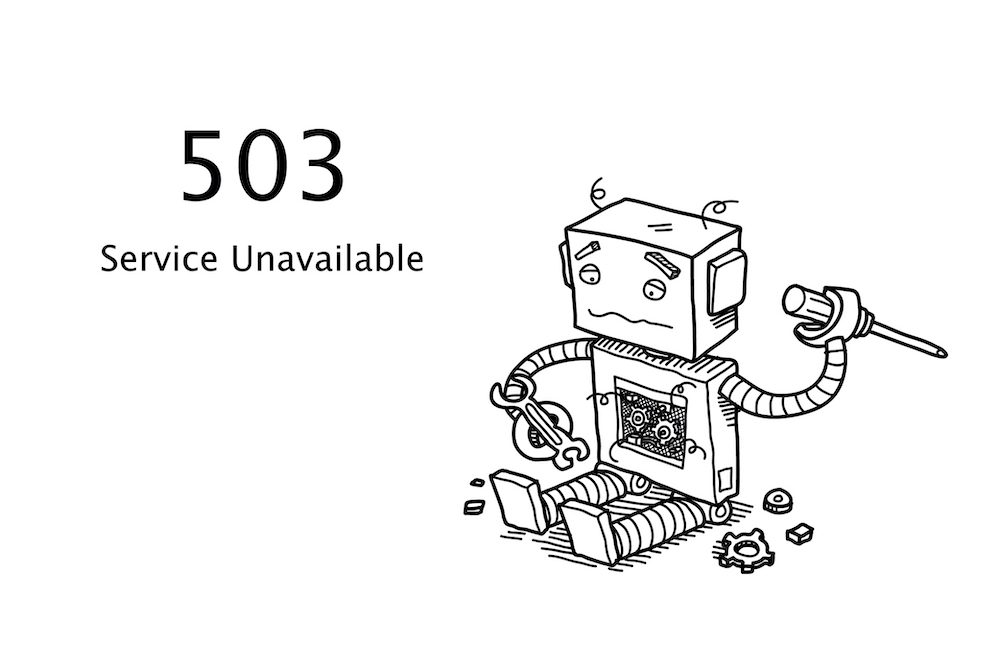
Canonical's Ubuntu infrastructure has experienced a prolonged outage lasting more than a day, disrupting services for millions of developers and organizations worldwide who depend on the popular Linux distribution for their computing needs. The extended downtime affects critical Ubuntu services including package repositories, software updates, and development tools that form the backbone of countless software development operations. The outage represents one of the most significant disruptions to the Ubuntu ecosystem in recent years, highlighting the challenges of maintaining large-scale open-source infrastructure.
The infrastructure failure has cascading effects across the global software development community, where Ubuntu serves as a primary platform for everything from web development to cloud computing and enterprise applications. Developers report being unable to install new packages, update existing software, or access essential repositories needed for their projects. The timing of the outage has proven particularly problematic for organizations with scheduled software releases and deployment cycles that depend on Ubuntu's package management system.
Canonical has not yet provided detailed information about the root cause of the infrastructure problems or a specific timeline for restoration of services. The company's status pages and communication channels have offered limited updates, leaving users to speculate about whether the issues stem from hardware failures, cyberattacks, or other technical problems. The lack of transparency has frustrated many in the Ubuntu community who rely on these services for mission-critical operations.
The extended nature of the outage raises questions about the resilience and redundancy of Ubuntu's infrastructure architecture. Many users expected that a distribution as widely used as Ubuntu would have robust failover systems and backup procedures that could minimize the impact of such failures. The prolonged downtime suggests that the underlying problems may be more complex than initially anticipated, potentially involving multiple interconnected systems.
This incident underscores the risks that organizations face when depending heavily on centralized infrastructure for critical development operations. Many companies are now reviewing their dependency on Ubuntu services and considering strategies for reducing their exposure to similar outages in the future. The situation also highlights broader questions about the sustainability and funding models for maintaining large-scale open-source infrastructure that serves millions of users globally.