Linux Kernel Maintainers Move Forward With Removing Intel 486 Support
The decades-old processor architecture will no longer be supported as Linux continues modernizing its codebase for current hardware.
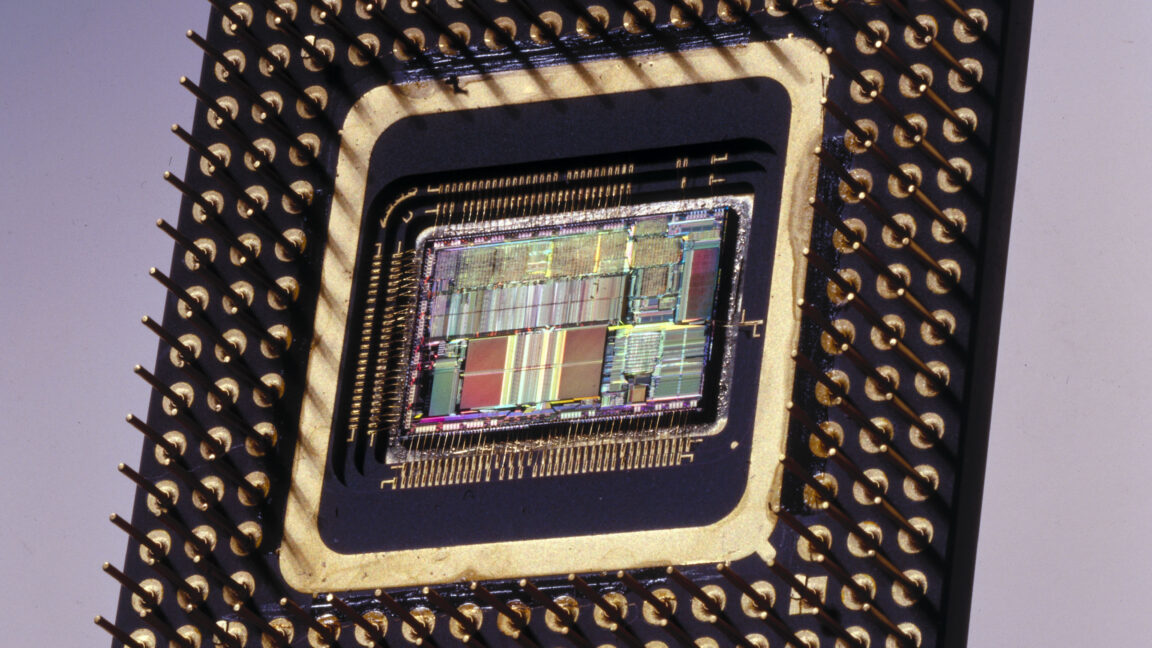
Linux kernel maintainers are following through on plans to remove support for Intel's 486 processor architecture, marking the end of an era for one of computing's most historically significant chips. The decision reflects the ongoing effort to modernize the Linux kernel by eliminating legacy code that supports hardware no longer in practical use. The 486 processor, first introduced in 1989, has been largely obsolete for general computing purposes for over two decades.
The removal of 486 support represents a significant step in the kernel's evolution, as these processors were among the first to bring advanced features like built-in floating-point units and improved memory management to personal computers. However, maintaining compatibility with such old hardware requires preserving legacy code paths that can complicate development and potentially introduce security vulnerabilities. Kernel developers have determined that the benefits of supporting 486 systems no longer justify the maintenance burden.
This decision has been under discussion within the Linux development community for several years, with maintainers gradually preparing for the transition. The removal process involves eliminating 486-specific optimizations, compatibility layers, and architectural assumptions that have been built into the kernel over decades. While some embedded systems and specialized applications may still use 486-compatible processors, these typically rely on older, stable kernel versions rather than the latest releases.
The move aligns with broader trends in software development toward dropping support for obsolete hardware to focus resources on modern systems. Other major operating systems have long since abandoned support for 486 processors, making Linux one of the last mainstream platforms to maintain compatibility. The decision reflects the practical reality that virtually no users are running current Linux distributions on 486 hardware.
For most Linux users, the removal of 486 support will have no practical impact, as current distributions already require more modern processors. The change primarily affects kernel developers and maintainers who will no longer need to consider 486 compatibility when implementing new features or security improvements. This simplification of the codebase is expected to improve development efficiency and reduce the potential for bugs related to legacy hardware support.