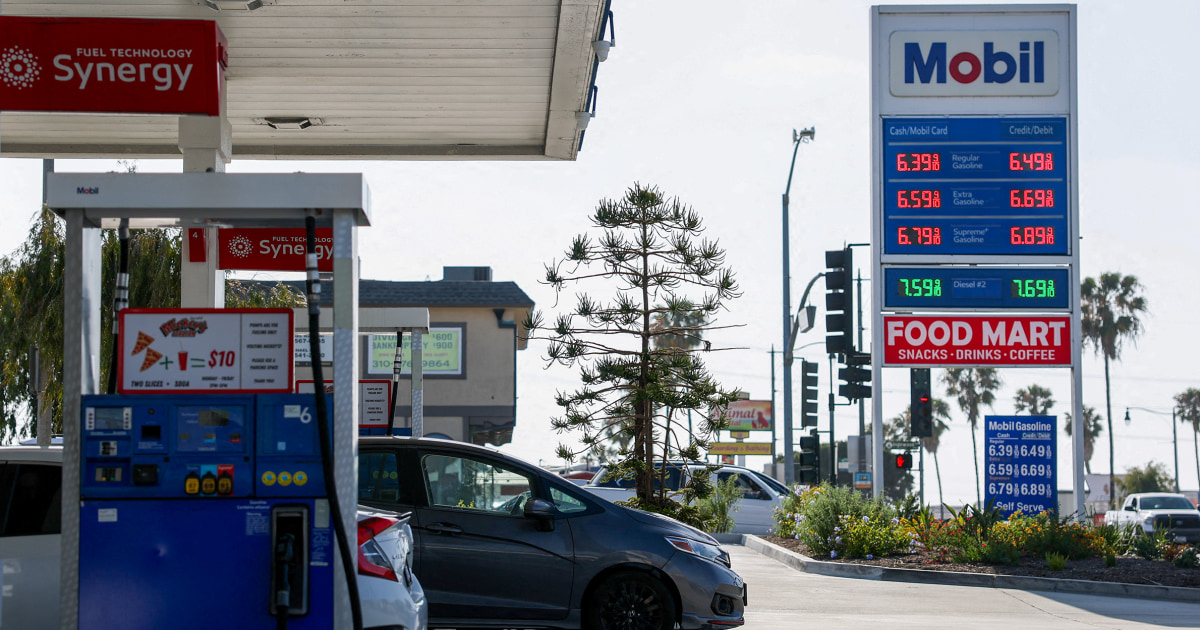
Trump Administration Considers Pausing Federal Gas Tax as Prices Exceed $4.50 Per Gallon
Energy Secretary announces the administration is exploring suspending the 18-cent federal gasoline tax, though relief would be minimal for consumers.
The Trump administration is actively considering suspending the federal gasoline tax as a response to rising fuel costs that have pushed the national average above $4.50 per gallon, Energy Secretary announced Sunday. The federal gas tax, which currently stands at just over 18 cents per gallon for gasoline, represents a relatively small portion of overall fuel costs but could provide some immediate relief to American drivers facing mounting pressure at the pump.
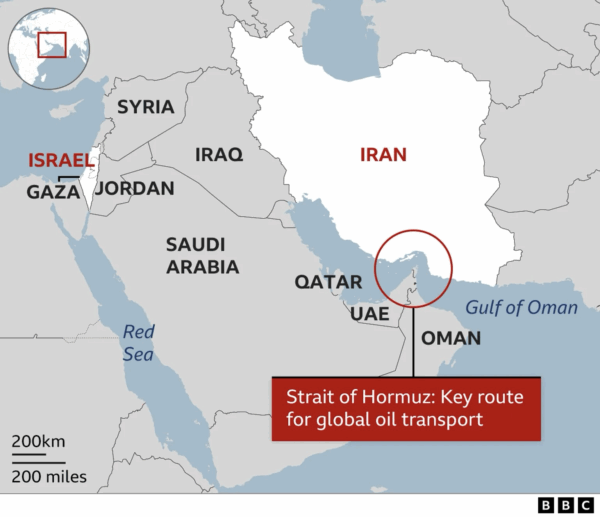
The proposal comes as the administration grapples with the economic fallout from ongoing tensions with Iran and disruptions to global energy markets. While the 18-cent reduction would mark the largest federal intervention in gasoline pricing in recent years, analysts note that the relief would be modest compared to the scale of recent price increases. Average gasoline prices have climbed significantly in recent months, placing additional strain on household budgets already stretched by broader inflationary pressures.
Implementing a federal gas tax pause would require coordination with state governments and could create complications for federal highway funding, which relies heavily on gasoline tax revenue. The Highway Trust Fund, which finances critical infrastructure projects across the country, depends on these taxes to maintain roads, bridges, and transit systems. Administration officials would need to identify alternative funding mechanisms to ensure continued infrastructure investment during any suspension period.
The timing of the announcement appears designed to address growing political pressure as rising energy costs become a prominent issue for American families. Republicans and Democrats alike have called for federal action to mitigate the impact of higher gasoline prices, though they differ significantly on preferred approaches. Some lawmakers have advocated for strategic petroleum reserve releases, while others have pushed for expanded domestic energy production.
Economic experts remain divided on the effectiveness of temporary gas tax suspensions, pointing to previous instances where similar measures provided limited long-term relief. The relatively small size of the federal gas tax compared to overall fuel costs means that consumers may see only minimal savings, while the disruption to federal revenue could complicate other policy priorities. The administration faces the challenge of balancing immediate political demands for action with longer-term fiscal and infrastructure considerations.