Inflation Held at 3.4% in August, but Prices Rose 0.4% in a Month
Traders Now Put a Fed Rate Hike Next Week at 90%.
Gasoline jumped 3.9% in August and is up 27.4% from a year ago as the Iran war keeps oil above $100. Core prices rose 0.3%, and Fed Governor Christopher Waller has already said it 'may not take much' to push him toward tightening.

Consumer prices rose 0.4% in August, four times July's pace, and the annual inflation rate held at 3.4%, the Bureau of Labor Statistics reported Friday. Within minutes of the release, futures traders lifted the odds that the Federal Reserve will raise interest rates at its meeting next week from about 70% to nearly 90%, according to CME's FedWatch tool. If the central bank moves, it would be the first rate increase since July 2023.
Gasoline was the single biggest driver. The BLS said the gasoline index climbed 3.9% in August alone and accounted for more than a third of the monthly increase in the overall index; over the past 12 months, gasoline is up 27.4%. Energy as a whole rose 2.1% for the month. Brent crude traded near $105 a barrel on Friday and the national average diesel price crossed $6 a gallon, a record, as the war with Iran and the fight over the Strait of Hormuz enter their seventh month with no resolution in sight. Economists had expected a 3.3% annual reading; the actual figure came in a tenth of a point hotter.
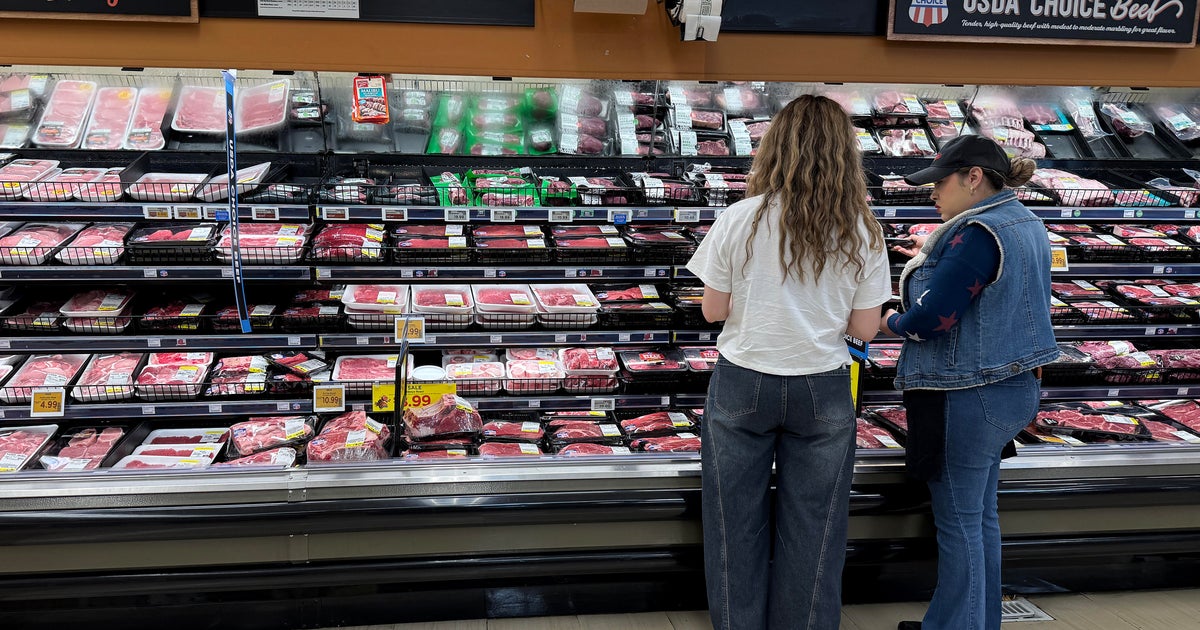
What worried Fed watchers more was the evidence that inflation has leaked beyond the pump. Core prices, which exclude food and energy, rose 0.3% in August after a 0.2% gain in July, even as the annual core rate ticked down to 2.4% from 2.5%. The BLS recorded strong increases for rental cars, vehicle maintenance, day care and preschool, nursing homes and in-home care. Computer software and accessory prices rose 25.4% over the year, the largest annual increase in that category on record, and computers and smart-home assistants cost 8.4% more than a year ago, gains tied to a semiconductor squeeze driven by artificial-intelligence demand. Apple this week raised prices on older iPhone models by $100 for the same reason.
"The breadth of the price pressures makes the report especially difficult to dismiss," Olu Sonola, head of U.S. economics at Fitch Ratings, wrote Friday. "This is not simply an energy story; underlying inflation remains elevated across a wide range of categories." Diane Swonk, chief economist at KPMG, pointed to labor shortages in what she called the care economy after roughly 330,000 Haitians lost Temporary Protected Status at the end of July, about 200,000 of them workers, more than half of them in care jobs.
The Federal Open Market Committee meets Tuesday and Wednesday and will announce its decision at 2 p.m. ET on September 16. A quarter-point increase would lift the federal funds target range to 3.75% to 4%. Fed Chairman Kevin Warsh, who has avoided telegraphing decisions, said at the Jackson Hole symposium last month that if inflation did not improve, central bankers would "have work to do." Governor Christopher Waller was blunter in a speech earlier this month: "It may not take much acceleration in inflation to nudge me into supporting tighter policy," he said, adding that he would consider a September hike if the August data disappointed. Greg Daco, chief economist at EY-Parthenon, told CBS MoneyWatch that officials increasingly see the "speed" of disinflation as "not satisfactory." Capital Economics expects follow-on increases in December and March 2027.
Not everyone is convinced a hike helps. Mike Skordeles, head of U.S. economics at Truist Advisory Services, told CNN that "the combination of higher energy prices and higher rates could slow the economy much more than a casual 'tap on the brakes'" implied by a quarter point, noting that employers added just 52,000 jobs combined in June and July before August's stronger 162,000 gain. Consumers are already sour. The University of Michigan's sentiment index fell 7.5% in early September to its second-lowest reading in the survey's 70-year history, with director Joanne Hsu citing "a resurgence in fuel prices and trade tensions." Inflation now runs about a full percentage point above where it stood when the conflict with Iran began at the end of February.