Trump Will Mail $500 Checks to Nearly a Million Obamacare Customers in October
They Are the Ones Who Get No Subsidy at All.
The White House says enrollees in 30 HealthCare.gov states were 'wrongly overcharged' through exchange user fees under Biden. KFF says a $500 check covers roughly one month of the premium increases many of them absorbed after Congress let enhanced subsidies lapse.
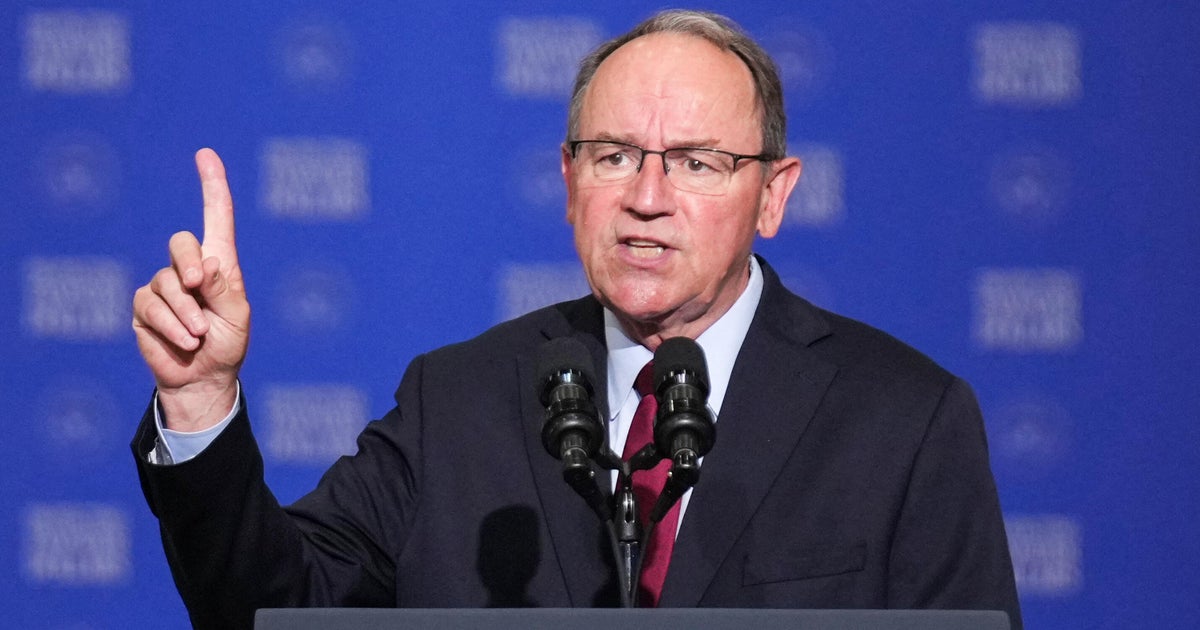
One day after promising every adult American a $5,000 "dividend" if Republicans keep Congress, President Donald Trump announced Thursday that the government will send $500 rebate checks starting in October to nearly one million Affordable Care Act enrollees in 30 states, a group he said had been "wrongly overcharged" during the Biden administration.
"Our administration is doing the right thing and giving the money back to the people who were wrongly ripped off," Trump said in a video posted to the White House X account. According to a White House fact sheet, the money comes from the "user fees" that insurers selling on HealthCare.gov, the federal exchange, pay to fund its operations. Insurers pass those fees to customers through premiums. The administration argues the fees were set too high under President Joe Biden and that the surplus should be returned.
The eligibility rules narrow the pool sharply. Only enrollees in the 30 states that use the federal platform qualify, and only those who received no premium tax credit, which excludes the large majority of the ACA's roughly 19 million exchange customers. In practice, the recipients are mostly households above 400% of the federal poverty level, plus some between 100% and 400% who did not claim subsidies. The White House estimate of nearly one million recipients works out to about 5% of exchange enrollment. Payments begin in October, one month before open enrollment opens on November 1 and about five weeks before the midterm elections.
That timing is not incidental. Those same unsubsidized customers were hit hardest when congressional Republicans allowed the enhanced ACA subsidies enacted in 2021 to expire at the end of last year, sending 2026 premiums sharply higher for middle-income buyers and pushing some out of coverage entirely. Enrollment had roughly doubled to nearly 22 million during Biden's term, in large part because of those subsidies. Premiums are expected to rise again for 2027, and policyholders will see the new prices when open enrollment begins, just before they vote. A CBS News poll in July found three-quarters of respondents said their income was not keeping up with inflation; a KFF survey earlier this year found 80% of returning ACA customers reported higher premiums, deductibles or copays than the year before.
Health-policy analysts questioned both the premise and the scale. KFF, the nonpartisan research group, calculated that about $1.2 billion in unspent user fees had accumulated by the time Biden took office in January 2021, largely because the first Trump administration had slashed spending on marketing, navigators and the HealthCare.gov call center. The Biden administration then increased that spending. "Payments will mostly go to middle-income people who lost subsidies when Congress did not extend enhanced tax credits, and are now paying in many cases thousands of dollars more," said Larry Levitt, KFF's executive vice president. Cynthia Cox, who directs KFF's ACA program, told CNN the premium increases many of these enrollees absorbed "could easily be $500 a month more." Trump, in his video, said the rebate would cover the spike "in many cases" and urged Congress to pass his broader health plan.
The administration is also cutting the user fee going forward, which it says will lower premiums, while it has reduced the outreach and enrollment assistance the fee pays for. Health care affordability, including the lapsed subsidies and the Medicaid cuts in Trump's domestic policy law, is expected to rank among voters' top concerns in November, and Democrats have made it central to their campaign. The $500 checks, like the $5,000 dividend pledge that preceded them by a day, put the president's answer in the mail.