Transgender Troops Are Being Discharged in Closed Hearings With No Transcripts. One Lawyer Says She Has Lost 27 of 28.
Separation boards for transgender service members are held behind closed doors on military bases with no cameras, no transcripts and no public access. At least six troops were barred from their own hearings.
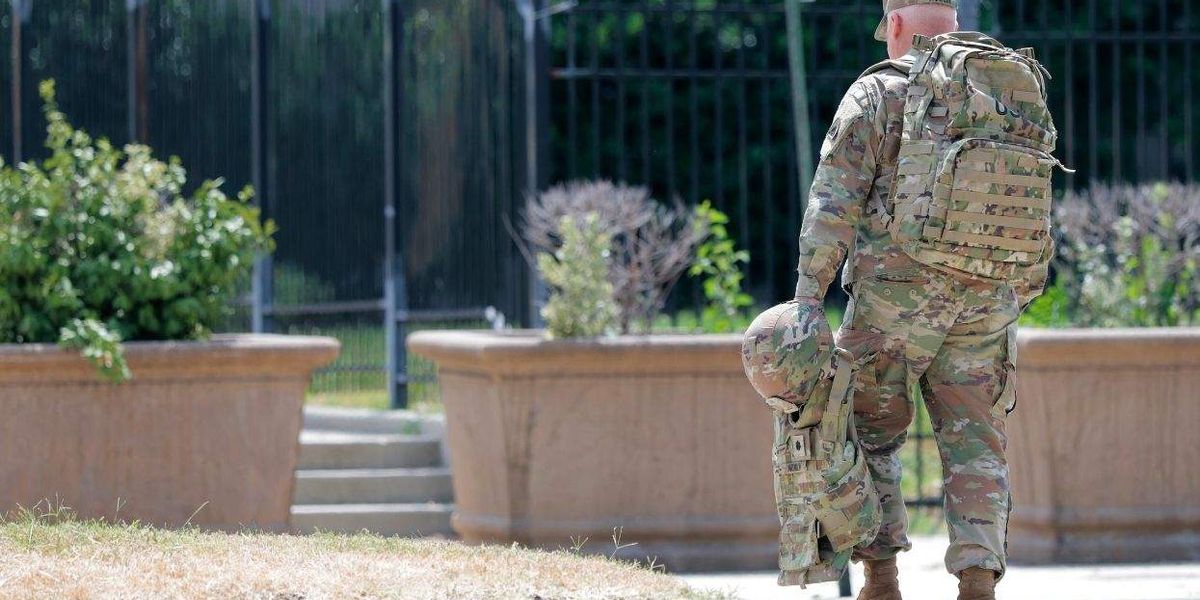
The Pentagon is removing transgender service members from the armed forces through administrative separation boards conducted with a level of secrecy normally reserved for classified operations — closed to the public, closed to cameras, and generating no transcript that anyone outside the room can later read.
The hearings take place on military bases. There is no public gallery. In some cases, spouses have been kept out. In at least six instances, according to Priya Rashid, an Army Reserve lawyer who has represented dozens of transgender troops, service members were barred from attending their own separation hearings after refusing to cut their hair and appear in the uniform of the sex they were assigned at birth. One of her clients, a master sergeant stationed in South Korea with 17 years of service, was permitted to testify only by video, and only if she turned her camera off. Rashid has lost 27 of the 28 cases she has taken. She calls the process a "public humiliation ritual."
The service records under review are not marginal. Capt. Kai Proce spent 11 years in the Army, deployed to South Korea and the Middle East, and mentored 125 cadets at West Point. His performance reviews were top-tier. A three-officer panel voted to remove him on the basis of his gender dysphoria diagnosis and his history of gender-affirming care. Maj. Kara Corcoran led an infantry platoon in combat in Afghanistan and was five days short of 18 years of service when she went before her board. The panel voted to separate her, though it recommended that her retirement benefits be preserved. She now serves as executive director of SPARTA Pride, an advocacy group for transgender service members.
President Trump ordered the Pentagon to exclude transgender people from military service shortly after returning to office last year, writing that being transgender was inconsistent with the "honorable, truthful and disciplined lifestyle" the military expects. The policy applies to troops with a current or past diagnosis of gender dysphoria and to those who have received transition-related medical care. Thousands accepted financial incentives to leave voluntarily rather than face a board. Those who refused the buyout are the ones now sitting in the closed rooms.
The courts have not settled the question. U.S. District Judge Ana Reyes certified a class in June covering transgender service members and prospective recruits challenging the ban, with trial scheduled for January 2027. The Justice Department has signaled that it intends to seek Supreme Court intervention rather than wait. In the meantime, the separations continue, which means the class Reyes certified is shrinking while its case is pending.
Congress has declined to write the ban into statute. An amendment that would have codified it was defeated, with four Republicans joining Democrats to vote it down — a rare bipartisan check on a policy that has otherwise moved through executive action and administrative process with very little friction and almost no public record.
Originally reported by The Advocate.