The Senate Passed Lindsey Graham's Russia Sanctions Bill 86-11. He Died in July
The act lets the president impose tariffs of up to 100% on the five largest buyers of Russian oil and gas. The House is on recess and will not vote before September.
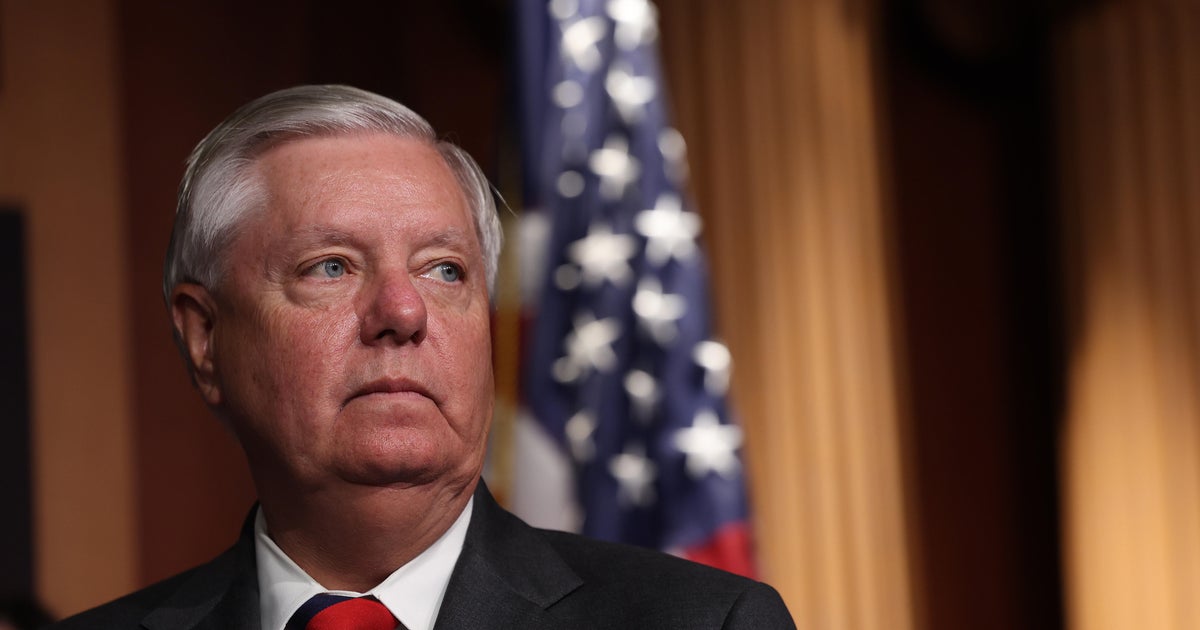
The Senate voted 86 to 11 on Friday to pass the Lindsey O. Graham Sanctioning Russia and Iran Act of 2026, ending more than a year of stalemate over legislation its author did not live to see enacted. Graham, the South Carolina Republican who spent that year negotiating the bill's terms with the White House, died suddenly in July.
The core mechanism is economic pressure applied at one remove. Rather than sanctioning Russia's energy exports directly, the act authorizes the president to impose tariffs of up to 100 percent on the five largest purchasers of Russian oil or natural gas — a group that in practice means China, India and a handful of others. Countries that buy less than 15 percent of their supply from Russia and can show they are taking significant steps to reduce that share are carved out.
The bill also reaches the machinery Moscow uses to move barrels around existing restrictions. It targets the so-called shadow fleet — the aging tankers, shell corporations and repurposed port infrastructure that carry Russian crude outside Western insurance and shipping networks — and authorizes sanctions on President Vladimir Putin personally, on Russian officials and oligarchs, on their family members, and on financial institutions handling the trade. A separate title extends the Iran Sanctions Act of 1996 and tightens restrictions on companies investing in Iran's energy sector, a provision that gained urgency during this year's fighting.
Two amendments shaped the final vote. Sen. Rand Paul of Kentucky tried to strip the tariff authority out of the bill on the grounds that Congress should not hand the president another unilateral trade weapon; his amendment failed. Sen. Raphael Warnock of Georgia, who had objected that the exemptions were wide enough to swallow the rule, dropped his opposition after securing commitments on the tariff loopholes.
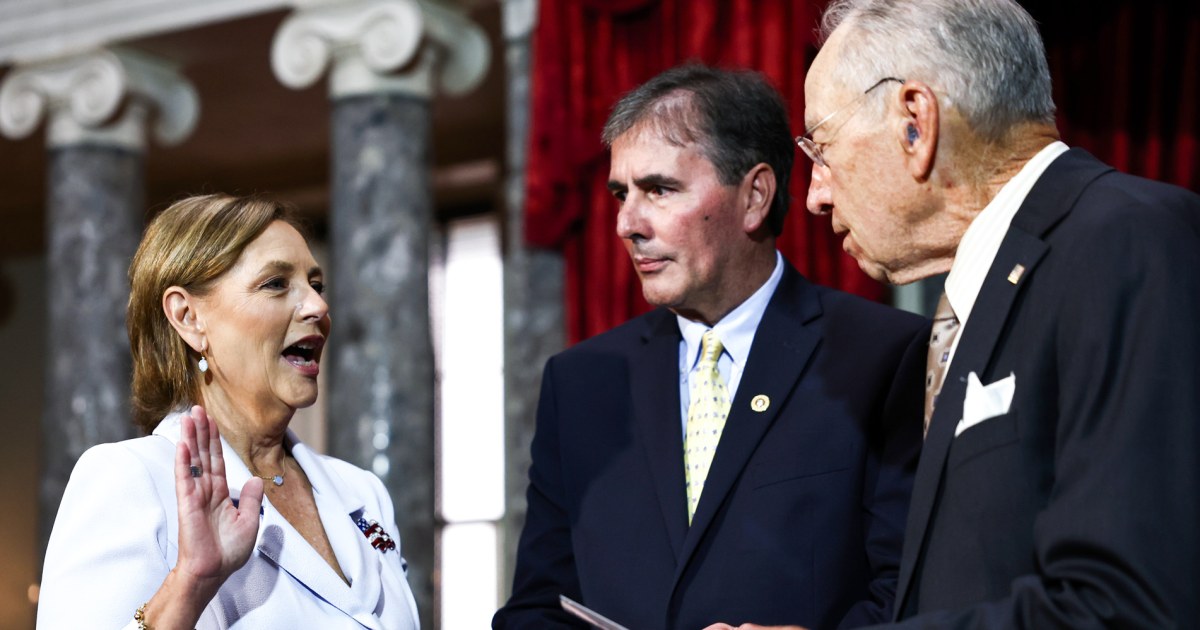
The vote had an unmistakable memorial quality. Sen. Darline Graham, appointed to her late brother's seat, told the chamber he "believed that this was the most consequential piece of legislation that he had ever led." The measure had languished for over a year in part because the White House resisted binding language, and it gained momentum only after Graham announced in the weeks before his death that he had reached an accommodation with the administration on a revised text.
Passage does not make it law. The House left Washington for a five-week August recess and is not expected to take the bill up before early September, and the objections there run in a different direction than they did in the Senate. Reps. Gregory Meeks and Don Beyer, both Democrats, called the measure "unacceptable" in its current form, warning that it hands the president "sweeping new tariff authorities that the president could weaponize with abandon" — an argument that folds the Russia debate into the broader fight over how much trade power Congress has already ceded.