Trump Signed the Lindsey Graham Sanctions Act Friday. Within 30 Days He Must Name and Freeze Russia's Shadow-Fleet Tankers and Raise Duties on Russian Goods to 500%, and He Now Holds a 100% Tariff Hammer Over China and India. Beijing Says It 'Opposes Unilateral and Secondary Sanctions.'
H.R. 5334 passed the Senate 86-11 and the House 262-159 in honor of the senator who died in July. It bars new U.S. investment in Russia until Ukraine accepts a peace deal and extends Iran sanctions to 2031. A former State Department sanctions chief says Trump 'missed a chance to send a message to Putin.'
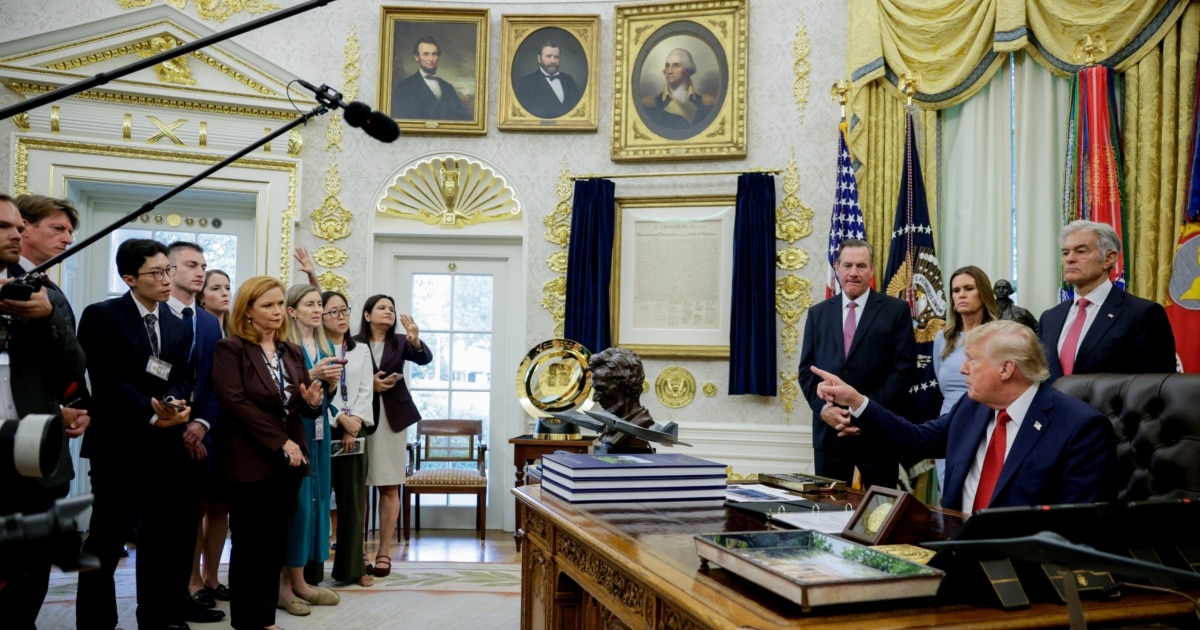
President Donald Trump signed the Lindsey O. Graham Sanctioning Russia and Iran Act of 2026 into law on Friday, Sept. 18, the White House confirmed, putting into statute the most sweeping package of economic pressure tools against Moscow since the full-scale invasion of Ukraine began. The bill, H.R. 5334, passed the Senate 86-11 in August and the House 262-159 on Sept. 16, with 58 Democrats voting in favor and only seven Republicans opposed. It is named for the South Carolina senator who championed it for years and died in July before seeing it become law.
The law does not wait for the White House to act. Within 30 days of enactment, the president must identify and sanction the foreign-flagged "shadow fleet" tankers Russia uses to move crude oil and petroleum products above the international price cap. Those vessels become blocked property, subject to asset freezes and cut off from maritime insurance and other financial services, and the penalties extend to their owners, operators, captains, insurers and the ports that handle them. In the same 30-day window the president must raise duties on all Russian-origin imports to as much as 500 percent of their value, and conduct an initial review of Russian state-controlled entities subject to sanctions, with reviews repeating every 180 days.
The provision that has rattled foreign capitals is the secondary tariff. The act authorizes duties of up to 100 percent on goods from the five largest importers of Russian crude oil and natural gas over the prior 12 months, plus five countries found to have helped Russia evade oil sanctions. China and India, the two dominant buyers of Russian crude, sit squarely in that category. The signing does not impose those tariffs automatically; it gives the administration the authority to do so, and the U.S. Trade Representative can adjust rates as imports fluctuate. An exception applies to countries where Russian gas is a small share of Russia's exports if they are "taking significant steps to reduce those imports." China's Ministry of Commerce responded that it "opposed unilateral and secondary sanctions," would "closely monitor Washington's next moves," and reserved "the right to take measures to protect Chinese companies and national interests."
Beyond energy, the law bars U.S. persons from making new investments in Russia or providing designated services to Russian individuals and companies until a peace agreement acceptable to Ukraine is reached, targets senior executives and principal shareholders of Russian Arctic energy projects, and extends the 1996 Iran Sanctions Act, which was set to expire Dec. 31, through 2031. The president retains the power to waive any required sanction by certifying to Congress that doing so serves the national interest and explaining why.
Reaction split along a familiar line. Ukrainian President Volodymyr Zelenskyy urged full and swift implementation, saying "peace comes through strength" and calling the measure an essential security guarantee. Daniel Fried, the former State Department sanctions coordinator, called the signing significant but said Trump "missed a chance to send a message to Putin that he needs to end the war." Luke Coffey of the Hudson Institute said the bipartisan margins showed how support for Ukraine "could be framed as being in U.S. interests." The first test comes fast: the shadow-fleet designations are due by Oct. 18, and the world's largest oil buyers will be watching whether the tariff authority stays on the shelf.
Originally reported by RFE/RL.