Newsom Signed 13 Election Bills Saturday That Make It a Felony to Seize Ballots, Voting Machines or Election Records Before Results Are Certified. California Mails a Ballot to Every Voter, and About 80% Use It. Bonta Says the Trump Administration Is 'Waging an All-Out Assault on Our Elections.'
The package extends drop-box hours, lets voters return mail ballots at any polling place, expands language access and targets AI deepfake ads seven weeks before the midterms. State Sen. Aisha Wahab, who wrote the felony provision: 'This is about protecting every Californian's right to be able to vote and vote how they want.'
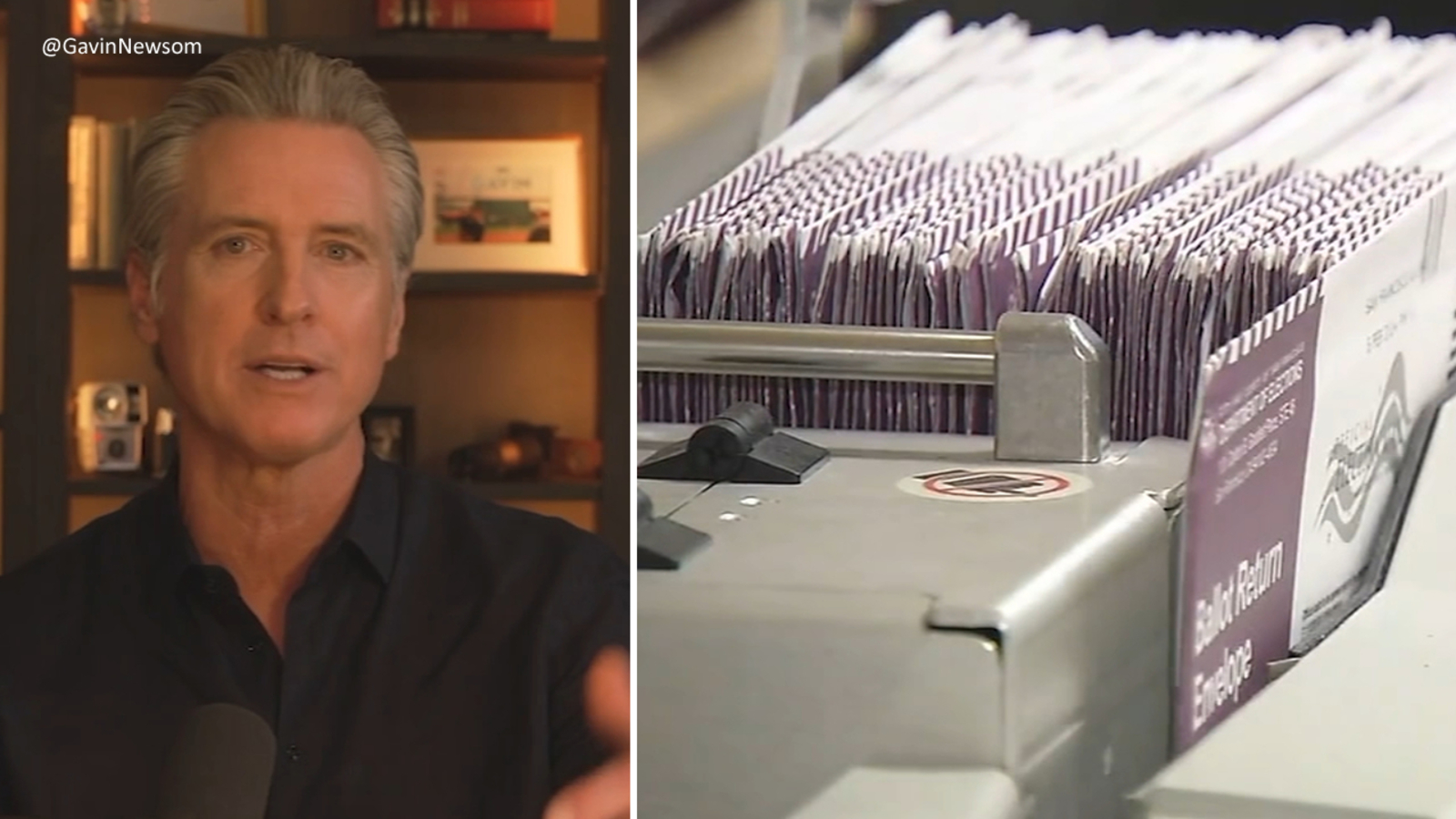
Gov. Gavin Newsom signed a package of 13 election bills on Saturday that California Democrats say is designed to keep the federal government away from the state's ballots, voting machines and election records in the seven weeks before the November midterms. The centerpiece, Senate Bill 259 by state Sen. Aisha Wahab, makes it a felony to interfere with mail-in voting or to seize ballots, election records or certified voting technology before results have been certified. "This is about protecting every Californian's right to be able to vote and vote how they want," Wahab said.
The stakes in California are structural. The state mails a ballot to every registered voter, and roughly 80 percent of ballots are returned by mail or drop box rather than cast in person. The new laws extend the hours of vote-by-mail drop-off locations, allow voters to hand in a mail ballot at any polling place, require election officials to publish information about early voting, and expand access for voters with limited English. Others strengthen legal remedies against voter suppression and discrimination, and two bills take aim at artificial-intelligence deepfake advertisements, a growing concern for election officials heading into the first midterm cycle in which synthetic video is cheap and convincing.
The governor and his attorney general made no effort to disguise the target. Newsom has repeatedly warned that the Trump administration would try to meddle in the November elections, and Attorney General Rob Bonta said the administration is "waging an all-out assault on our elections and voting rights." Deanna Kitamura of the Asian Law Caucus, which backed several of the bills, pointed to talk of federal agents at the polls: "This fueling of chaos is very concerning, and even talking about the possibility of having federal troops or federal agents at the poll sites is very concerning for us."
The context is a running fight over the mail ballot itself. The Postal Service proposed a rule this year that would let it screen mail ballots in states that do not share voter data, a rule that federal judges in Boston and elsewhere froze after ballots were already in the mail in several states, and that the Supreme Court declined to revive last week. The Justice Department has demanded voter rolls from a string of states, and the president has called for an end to mail voting. California, which relies on the mail more than almost any other state, drafted its laws to cover tactics it could imagine rather than ones it had seen, an approach lawmakers acknowledged means writing rules for an adversary whose next move is unknown.
The felony provision is the part most likely to be tested. It criminalizes the physical seizure of ballots, records and equipment before certification, which in practice means that any federal agent who takes a ballot box or tabulator in California before the count is final would be committing a state crime. Whether a state can enforce that against federal officers acting under federal authority is a question the courts have never squarely answered, and one that California may be the first to ask.
Originally reported by ABC7 News.