SpaceX's Starship V3 Achieves Mixed Success on Debut Flight
The latest iteration of SpaceX's massive rocket showed progress despite remaining technical challenges in its first test flight.
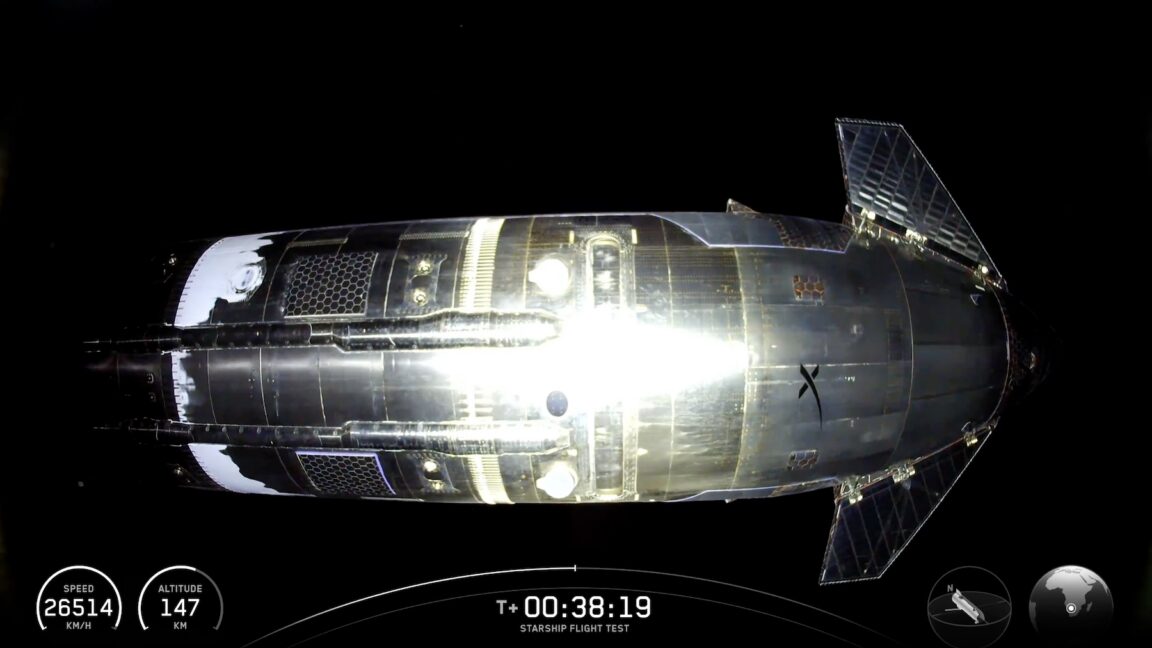
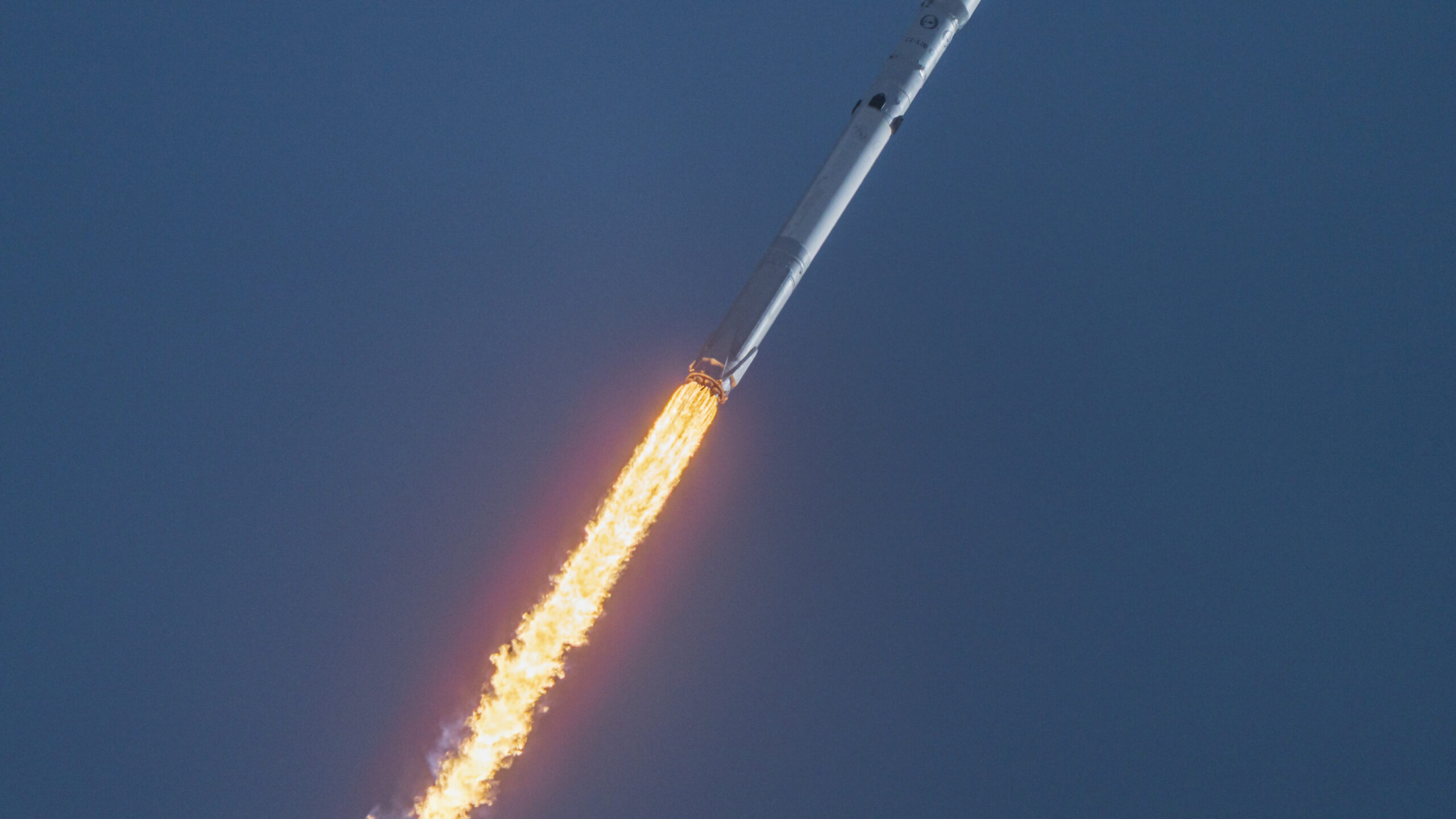
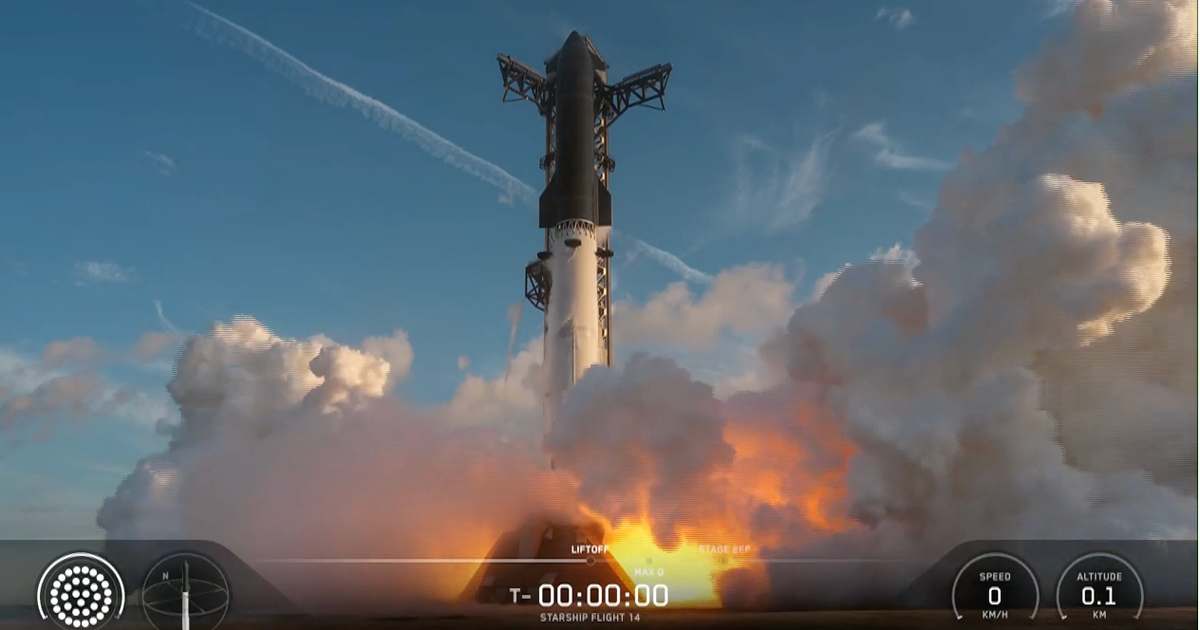
SpaceX conducted the first flight test of its Starship V3 configuration, achieving what company officials described as a "mostly successful" mission despite ongoing technical challenges with the massive rocket system. The test flight represents a significant milestone in the development of what is intended to become the world's most powerful operational rocket, designed to support missions to the Moon, Mars, and other deep space destinations. While specific details of the flight's performance have not been fully disclosed, the characterization as "mostly successful" suggests the vehicle met many of its primary objectives while highlighting areas that still require refinement.
The Starship V3 represents the latest iteration in SpaceX's ongoing development program for the ambitious rocket system, which combines the Super Heavy booster with the Starship upper stage to create an unprecedented launch capability. Previous versions of the Starship system have undergone extensive testing, with each iteration incorporating lessons learned from earlier flights and ground tests. The V3 configuration likely includes improvements to engines, flight control systems, and structural elements based on data gathered from previous test campaigns and the company's rapid iterative design approach.
SpaceX's approach to rocket development emphasizes rapid prototyping and testing, accepting that early flights may not achieve all objectives in order to gather valuable data for future improvements. The company's willingness to characterize flights as works in progress reflects this philosophy, where partial success is viewed as progress toward the ultimate goal of operational reliability. This approach has previously proven successful with the Falcon 9 rocket, which went through numerous iterations before becoming one of the most reliable launch vehicles in operation.
The Starship program represents a critical component of SpaceX's long-term vision for space exploration and commercialization, with applications ranging from satellite deployment to lunar missions and eventual Mars colonization. NASA has selected a variant of Starship as the lunar lander for its Artemis program, making the system's development crucial for America's return to the Moon. The rocket's unprecedented payload capacity and planned reusability could dramatically reduce the cost of space access if technical challenges can be overcome.
The mixed results of the V3 test flight underscore both the progress SpaceX has made in developing the complex system and the remaining challenges in achieving operational status. Each test flight provides valuable data that informs subsequent design iterations, with the company typically implementing changes rapidly between test campaigns. The continued development of Starship remains one of the most closely watched programs in the aerospace industry, as its success could fundamentally transform humanity's ability to conduct large-scale operations beyond Earth orbit.