SpaceX's Starship V3 Achieves 'Mostly Successful' Debut Flight Despite Work-in-Progress Status
The latest iteration of the massive rocket completed its first test flight with mixed results as SpaceX continues rapid development.
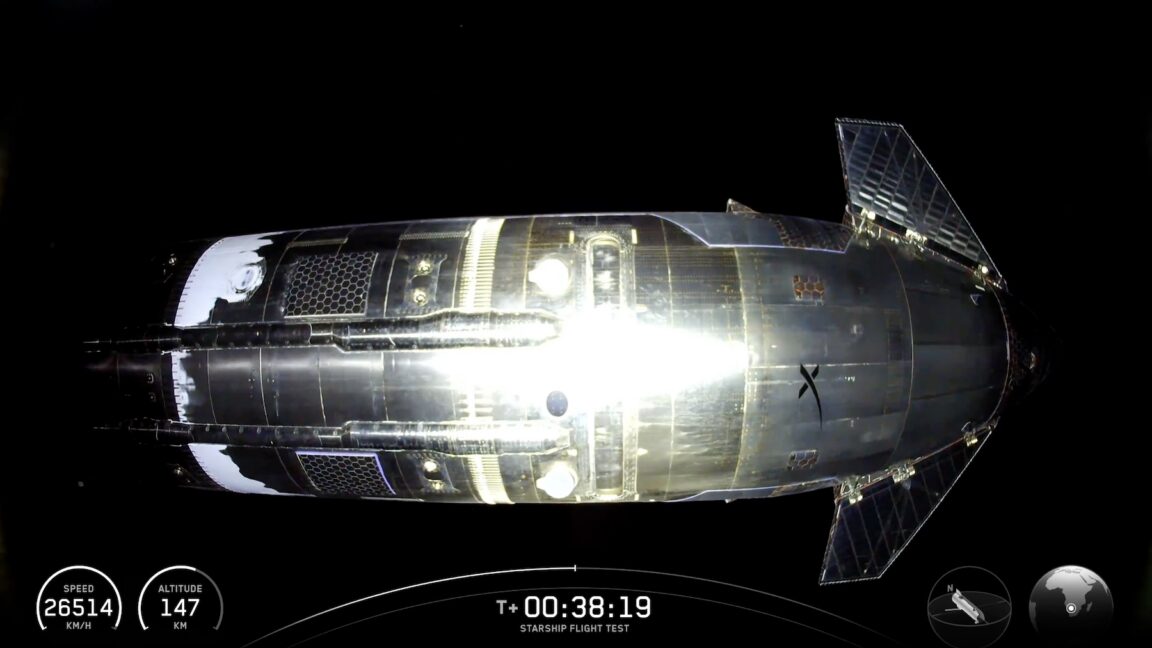
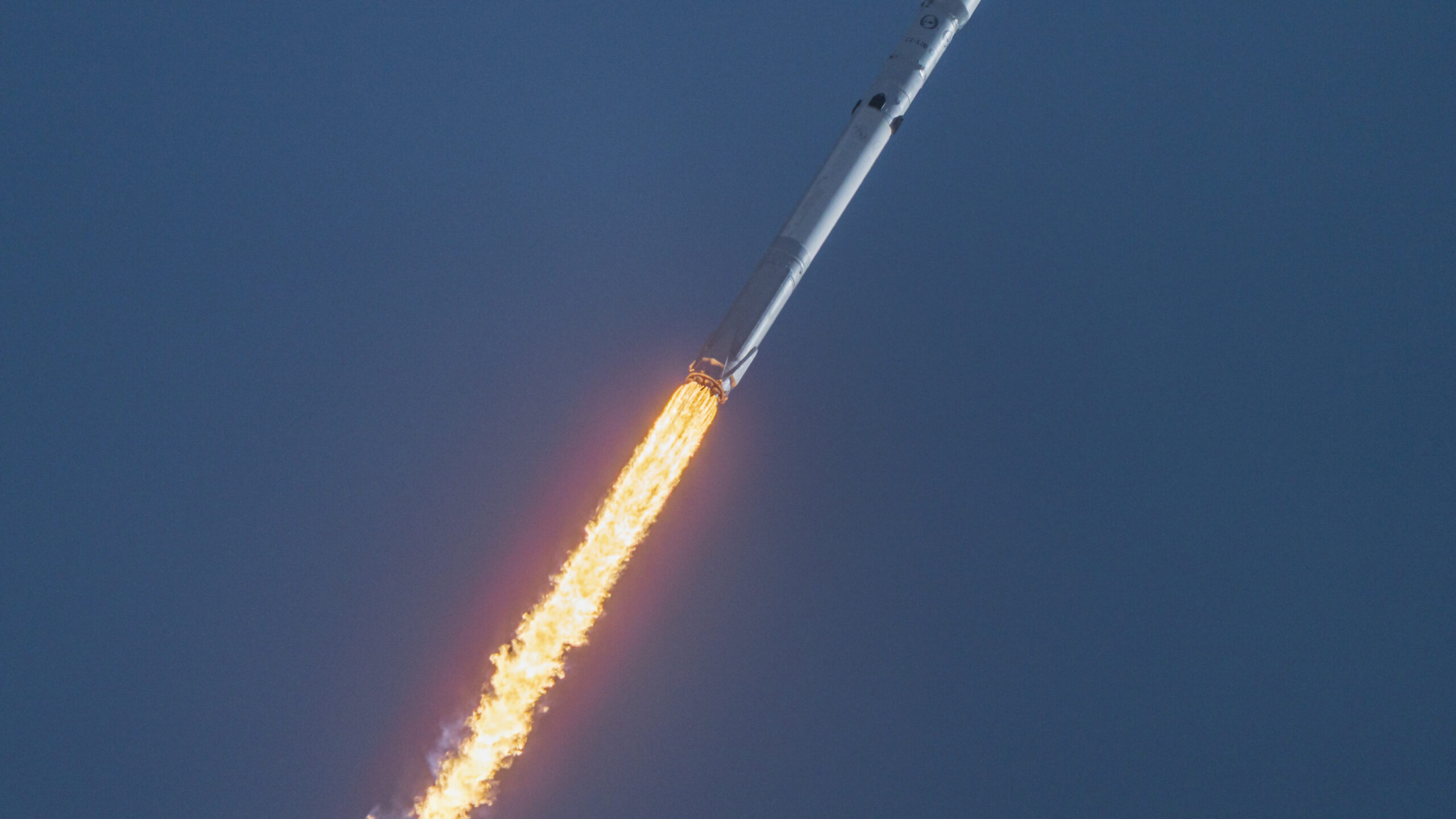
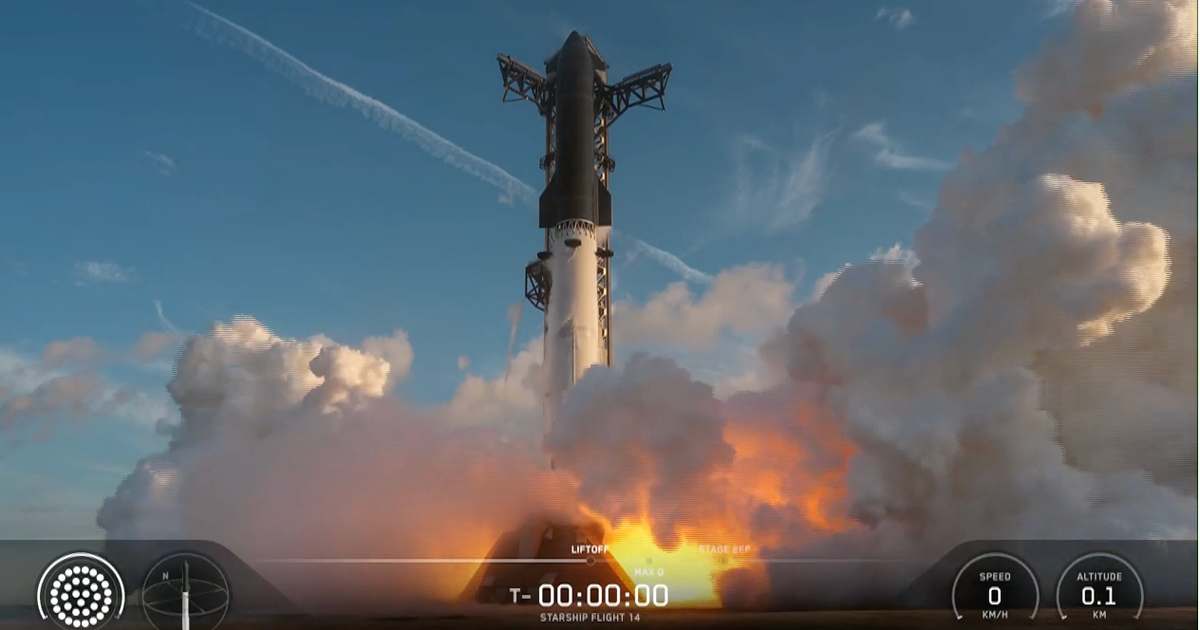
SpaceX successfully conducted the inaugural flight of its Starship V3 vehicle, achieving what company officials described as a "mostly successful" mission despite the rocket still being classified as a work-in-progress design. The test flight represents another milestone in the rapid development cycle of what is intended to become the world's most powerful rocket system for Mars exploration and other deep space missions.
The Starship V3 incorporates numerous design changes from previous iterations, including modifications to the Raptor engines, heat shield improvements, and structural enhancements based on data gathered from earlier test flights. SpaceX has maintained an aggressive testing schedule for the Starship program, with each version building incrementally on lessons learned from previous flights, even when those missions end in spectacular failures.
During the test flight, the massive vehicle demonstrated improved performance in several key areas compared to earlier versions, though specific details about any anomalies or shortcomings were not immediately released. SpaceX's approach to rocket development emphasizes rapid iteration and real-world testing rather than extensive ground-based simulation, a strategy that has accelerated development timelines but also resulted in numerous dramatic test failures.
The successful elements of the V3 flight likely provide valuable data for ongoing development of the Starship system, which NASA has selected as the lunar lander for its Artemis program. The space agency's timeline for returning astronauts to the Moon depends partly on SpaceX's ability to demonstrate reliable Starship operations, making each test flight a closely watched milestone in American space exploration plans.
Industry observers note that SpaceX's willingness to test vehicles while still refining their design represents a significant departure from traditional aerospace development practices. The company's rapid prototyping approach has enabled faster progress than conventional methods, though it also requires accepting higher risks during the testing phase. The mixed results from the V3 flight suggest SpaceX continues to push the boundaries of rocket technology while working toward operational capability for both commercial and government missions.