Scientists Discover Chemical That Kills 95% of Termites Without Harming Humans
Bistrifluron prevents drywood termites from forming new exoskeletons during molting, offering safer alternative to toxic fumigation methods.
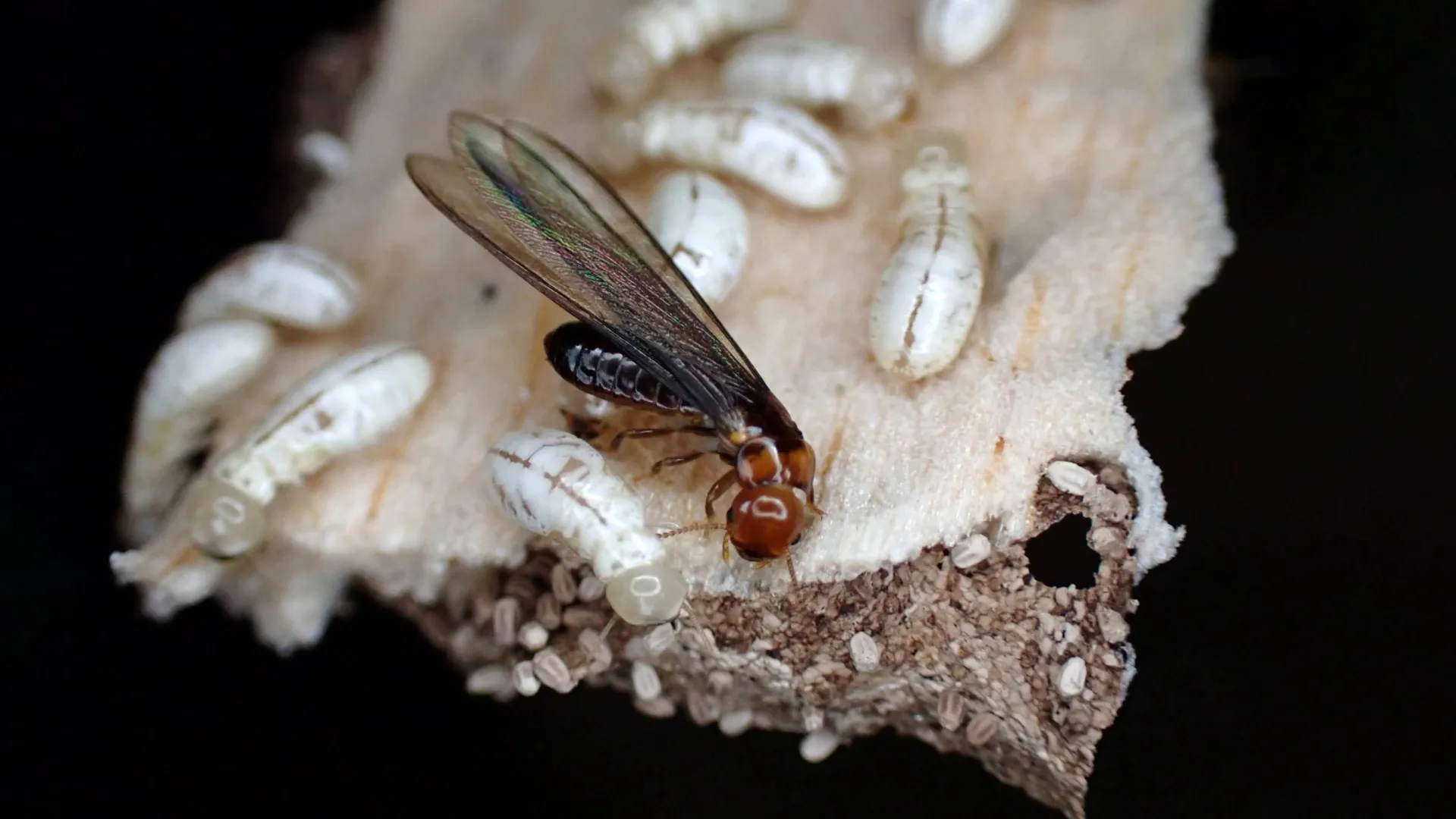
Researchers at the University of California, Riverside have developed a breakthrough approach to termite control that could revolutionize how homeowners protect their properties from these destructive insects. A chemical called bistrifluron has demonstrated the ability to eliminate approximately 95 percent of drywood termite colonies by targeting their molting process, while avoiding the toxic side effects associated with traditional fumigation methods.
The research, published in the Journal of Economic Entomology, represents a significant advance in pest control technology. Unlike conventional treatments that rely on broad-spectrum poisons, bistrifluron specifically targets the termites' ability to form new exoskeletons during their growth process. This targeted approach makes it highly effective against termites while remaining safe for humans and other mammals.
"This chemical is more environmentally friendly than ones traditionally used for drywood termite infestations," said Nicholas Poulos, corresponding author of the paper and a doctoral student in UCR's Department of Entomology. "It's specific to insects and can't harm humans." The selectivity stems from fundamental biological differences between humans and termites - while humans have internal skeletal systems, termites depend on external shells made largely of chitin.
The treatment works by disrupting the termites' molting process, which they must complete approximately seven times during their lives to grow and develop. When exposed to bistrifluron, termites become unable to produce the chitin necessary for their new protective shells. Professor Dong-Hwan Choe explained: "Once the termites reach a certain stage, they have to molt. They cannot avoid that. With a lethal dose of this chemical, they'll try to shed their old exoskeleton but won't have a new one ready to protect them."
Perhaps most importantly, the chemical spreads throughout termite colonies naturally as the insects share food and materials with one another. In laboratory tests, even when only 5 percent of termites were directly exposed to the treatment, entire colonies experienced significant mortality. This self-distributing property could make bistrifluron particularly effective against hidden infestations that are difficult to reach with conventional treatments, potentially providing longer-lasting protection as termite populations expand into new geographic areas.