Rubio Meets Pope Leo Amid Growing Tensions Between Trump and Vatican
The Vatican meeting follows President Trump's public condemnation of Pope Leo XIV for opposing the war in Iran.

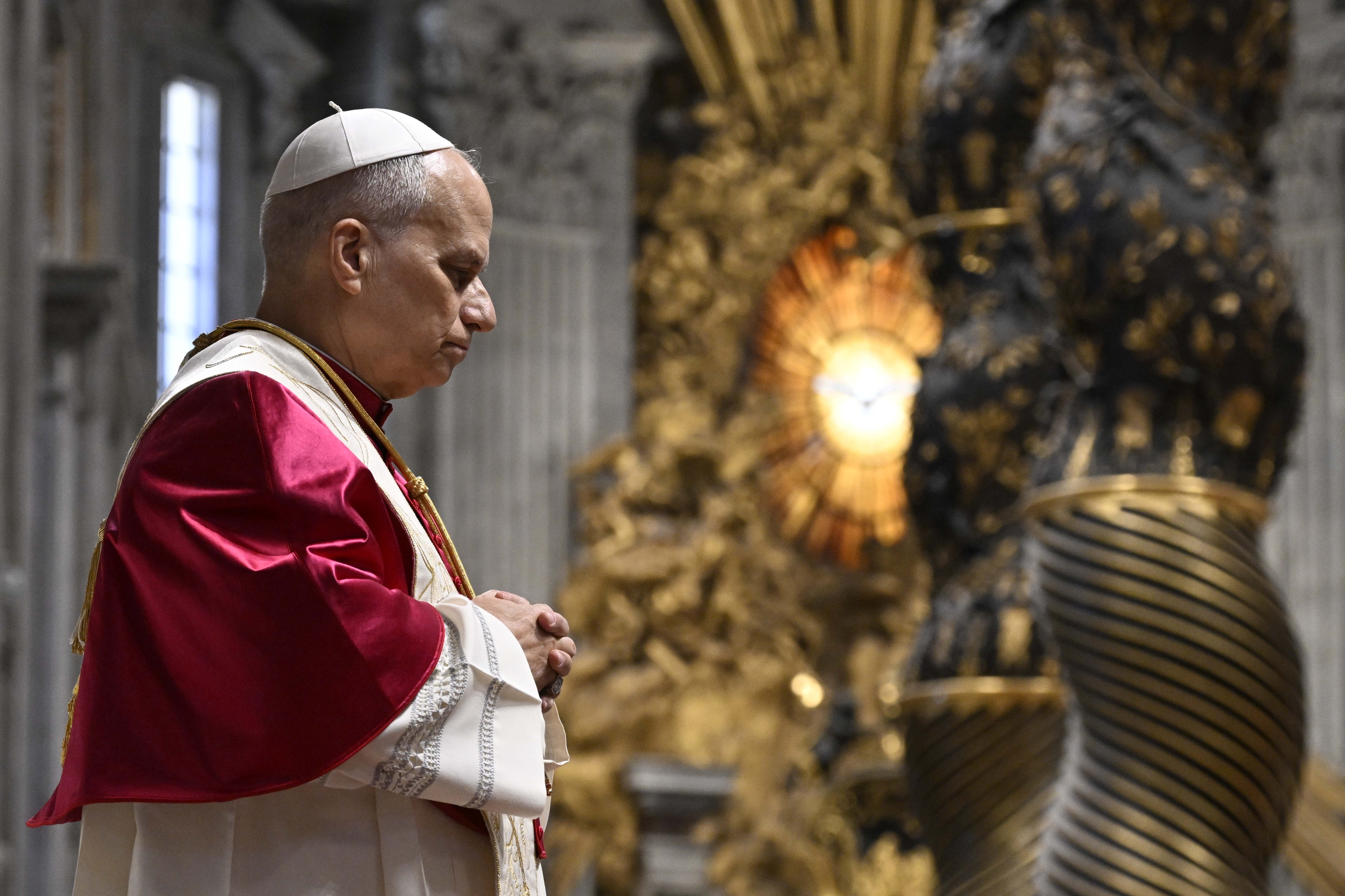
Secretary of State Marco Rubio met with Pope Leo XIV at the Vatican on Tuesday amid escalating tensions between the Trump administration and the Holy See over the ongoing conflict in Iran. The high-level diplomatic encounter comes just days after President Trump publicly condemned the pontiff for his opposition to the war, creating one of the most significant rifts between Washington and the Vatican in recent memory. The meeting represents an attempt to manage the diplomatic fallout from the president's unprecedented criticism of the Catholic Church's leader.
The tensions began when Pope Leo XIV issued strong statements opposing the military intervention in Iran, calling for peaceful dialogue and expressing concern about civilian casualties. Trump responded with harsh criticism of the Pope's position, arguing that the Vatican's stance undermined international security efforts and showed a failure to understand the strategic importance of the conflict. The president's public rebuke of the Pope marked an unusual departure from traditional diplomatic protocols between the United States and the Vatican.
Rubio's meeting with Pope Leo XIV was seen as an effort to repair diplomatic relations and find common ground despite the fundamental disagreement over Iran policy. The Secretary of State, himself a practicing Catholic, was viewed as uniquely positioned to bridge the gap between the administration's foreign policy objectives and the Vatican's moral concerns about the war. Vatican sources indicated that the meeting included discussions about humanitarian issues and the broader implications of the Iranian conflict for regional stability.
The dispute has created significant challenges for Catholic voters in the United States, many of whom support Trump's foreign policy while also respecting papal authority on moral issues. Religious leaders across the country have found themselves navigating between loyalty to their faith's highest authority and support for their president's international policies. The situation has highlighted the complex intersection of religion and politics in American foreign policy decision-making.
Diplomatic experts suggest that the Rubio-Pope meeting may help establish a framework for continued dialogue despite the policy disagreements. While the Vatican is unlikely to change its position on the Iran war, both sides appear interested in maintaining broader diplomatic relationships that extend beyond this single issue. The outcome of these discussions could influence how the administration approaches future conflicts where moral and strategic considerations intersect.