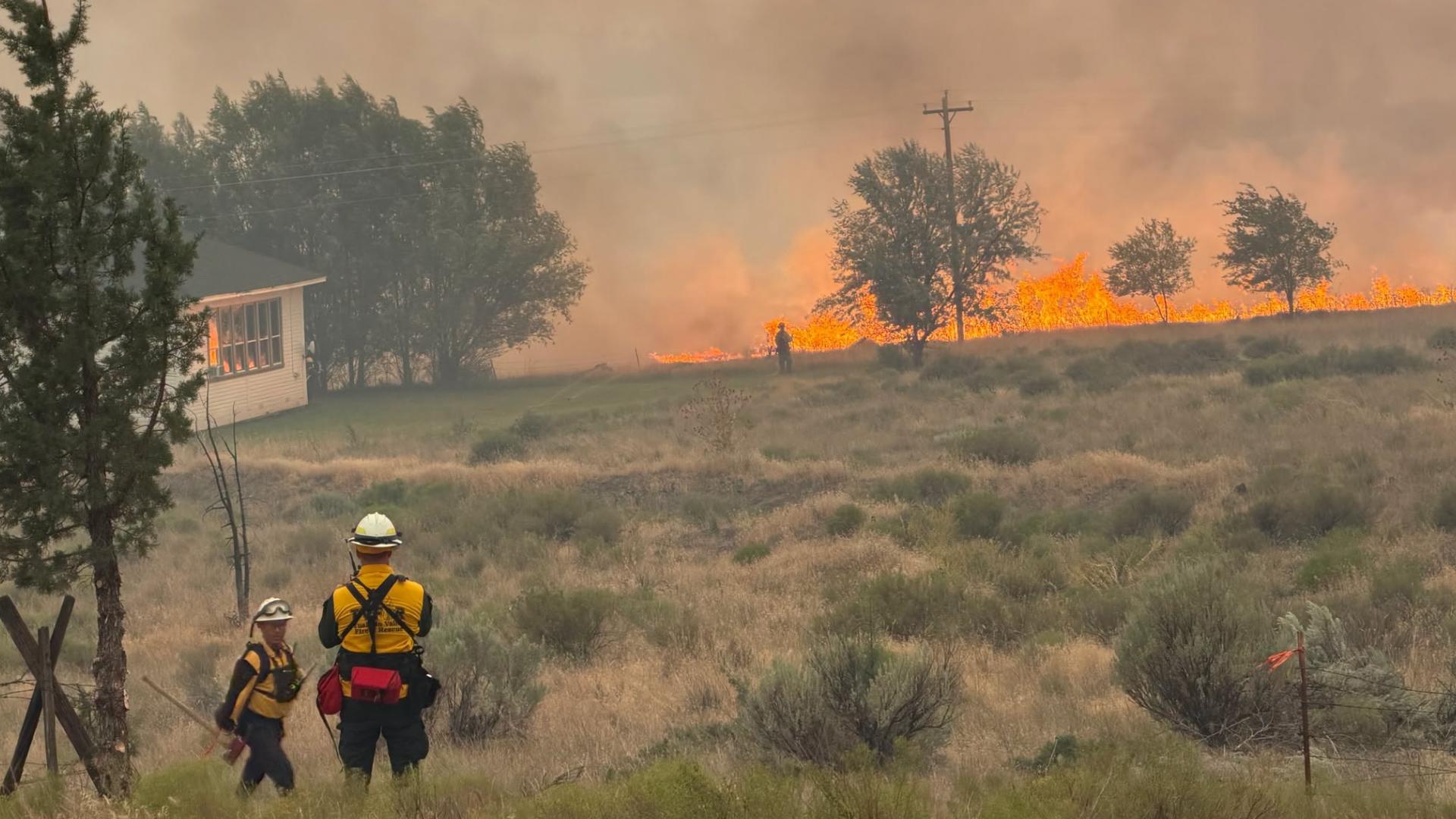
The Ross Fire Has Burned 90,048 Acres in Ten Days and Destroyed 157 Structures. It Is 38% Contained
The blaze in Palo Pinto and Jack counties started August 24 as an estimated 25 acres. The National Weather Service now calls it the second-largest wildfire in North Texas history.
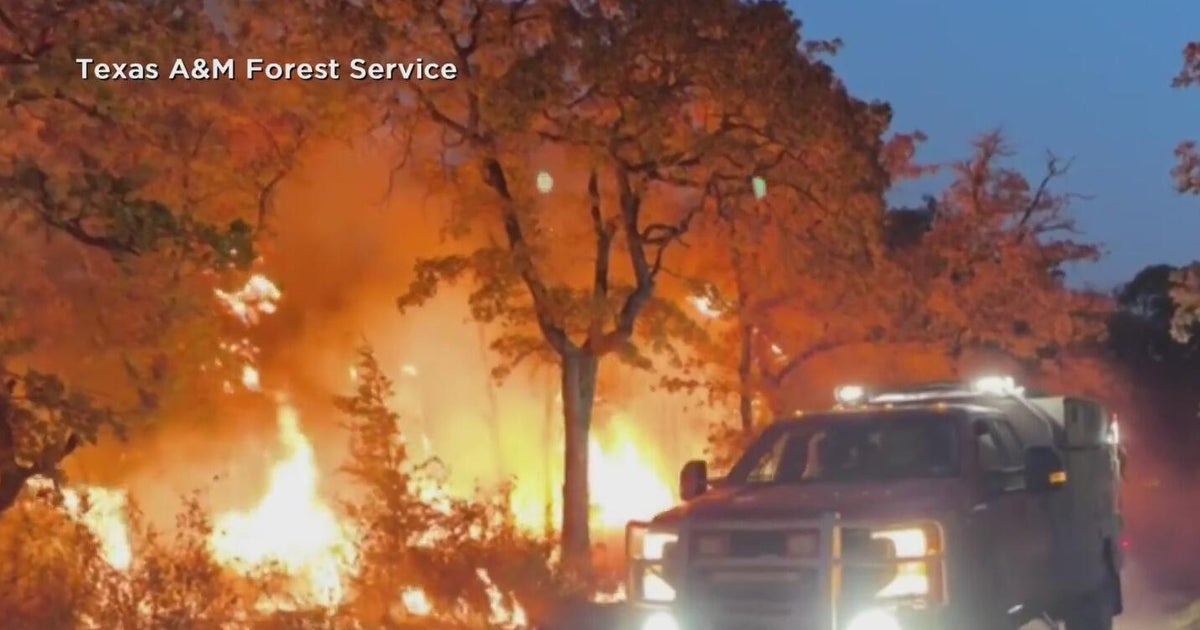
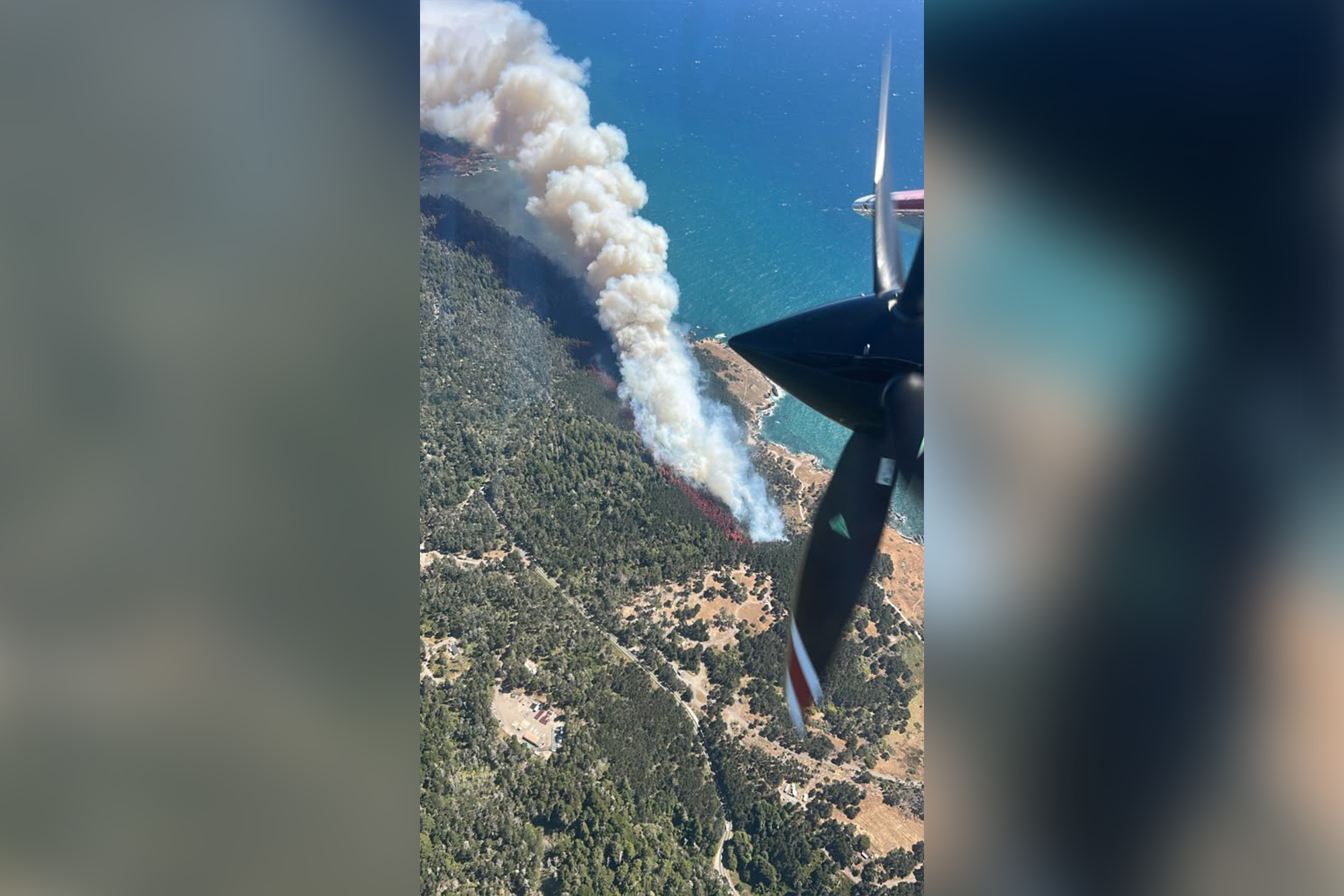
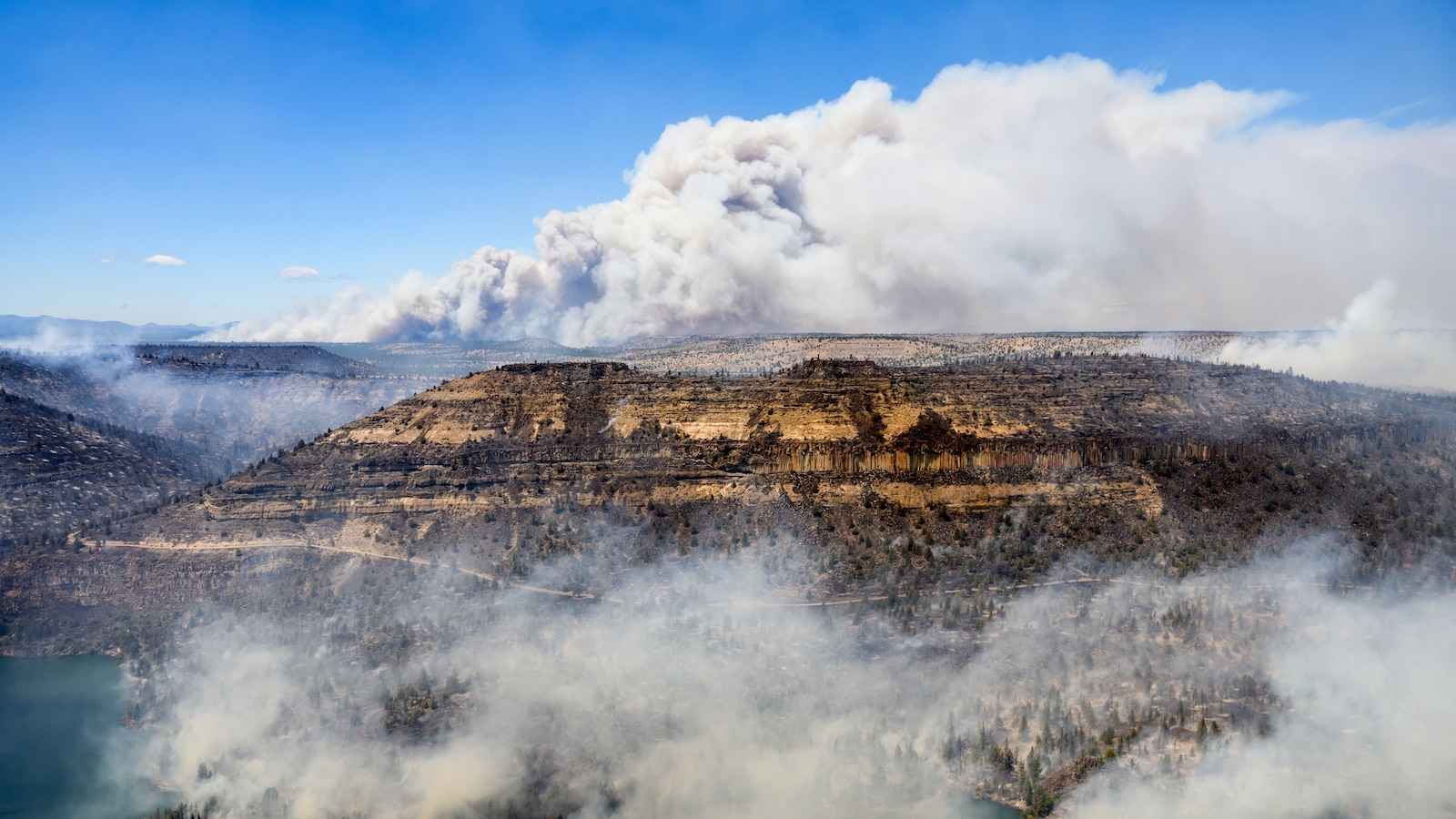
The Ross Fire has burned at least 90,048 acres across Palo Pinto and Jack counties in North Texas and was 38% contained as of Wednesday, according to Texas A&M Forest Service, which is running the response. Thursday marks ten days since the fire started.
It began just before 1:30 p.m. on August 24 and was initially sized up at roughly 25 acres. Within days it had grown by a factor of more than 3,000. The National Weather Service now describes the Ross Fire as "now the second-largest wildfire in North Texas," a ranking that puts it behind only the largest fires in the region's recorded history.
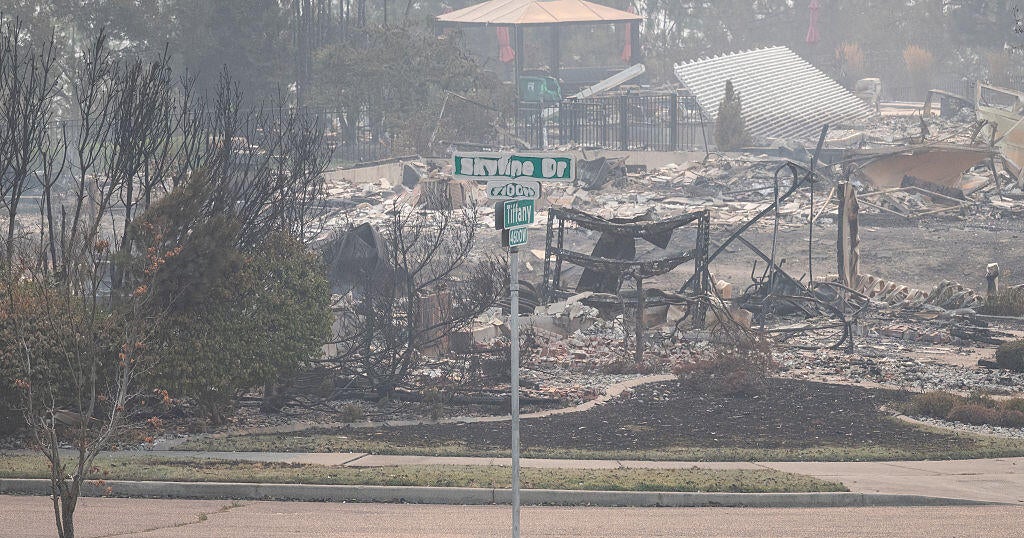
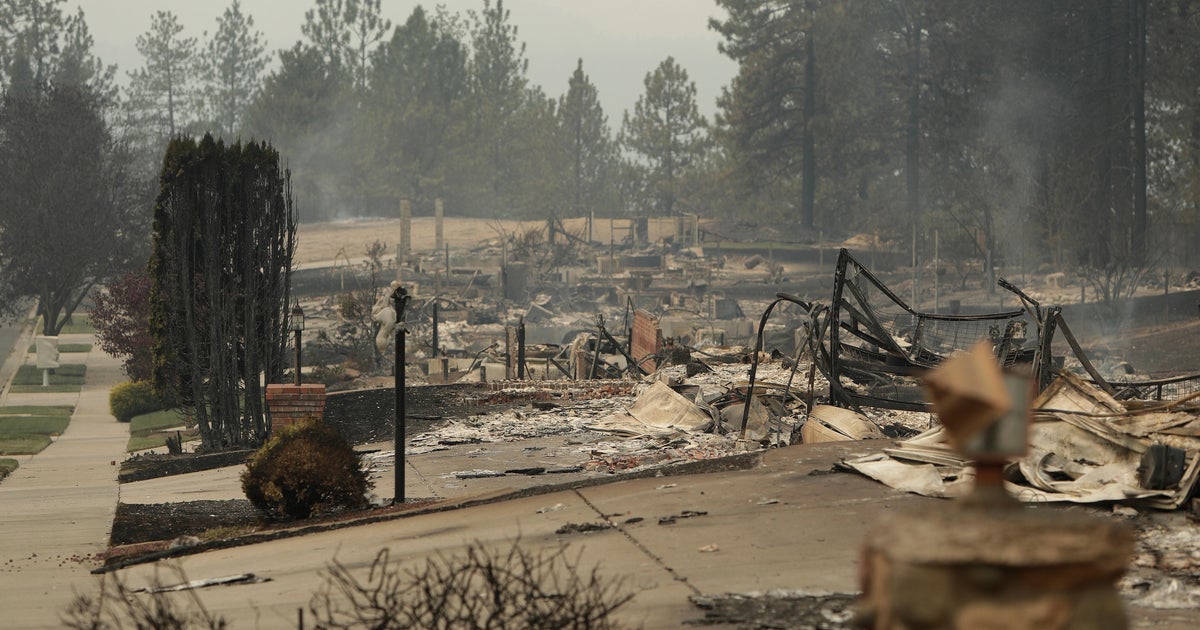
The structure damage is the part that will take years to undo. Texas A&M Forest Service counts 157 structures destroyed, 140 damaged, and 453 saved. That last number matters: in a fire this size across ranch country, the ratio of saved to lost is the clearest indicator of how much of the response worked. Roughly three structures were protected for every two that were lost or damaged.
Mandatory evacuations were ordered on August 25 for Jack County residents along County Road 2210 stretching toward Highway 281, and were lifted the following day as conditions improved. The terrain in Palo Pinto County — mesquite, cedar, steep broken country cut by ranch roads — is difficult for engine crews to work, which is why containment lines have come slowly even as the fire's forward spread has eased.
The fire has also reached into the region's industrial footprint in small ways. A Molson Coors spokesperson said temporary pauses on canning lines at the company's Fort Worth facility would not affect supply, telling reporters "beer lovers will see absolutely no impact." That kind of statement is a reminder of how far the smoke and power disruptions from a fire of this size can travel from the burn scar itself.
Palo Pinto County sits about 70 miles west of Fort Worth, and much of what has burned is grazing land. Ranchers in the burn area face the compounding problem that comes after every large grass fire: fences gone, water infrastructure damaged, and no forage for cattle until the next growing season. Officials have continued to warn of elevated fire risk in the surrounding counties, where the same dry fuels and wind conditions that drove the Ross Fire's first week remain in place.
Investigators have identified a cause, which the Forest Service has addressed separately. Containment work continues.