Revolutionary Light-Powered Chip Uses Quantum Valley Properties for Ultra-Fast Computing
Scientists create integrated device that generates, steers, and reads light-based information at room temperature, marking major breakthrough for quantum technologies.
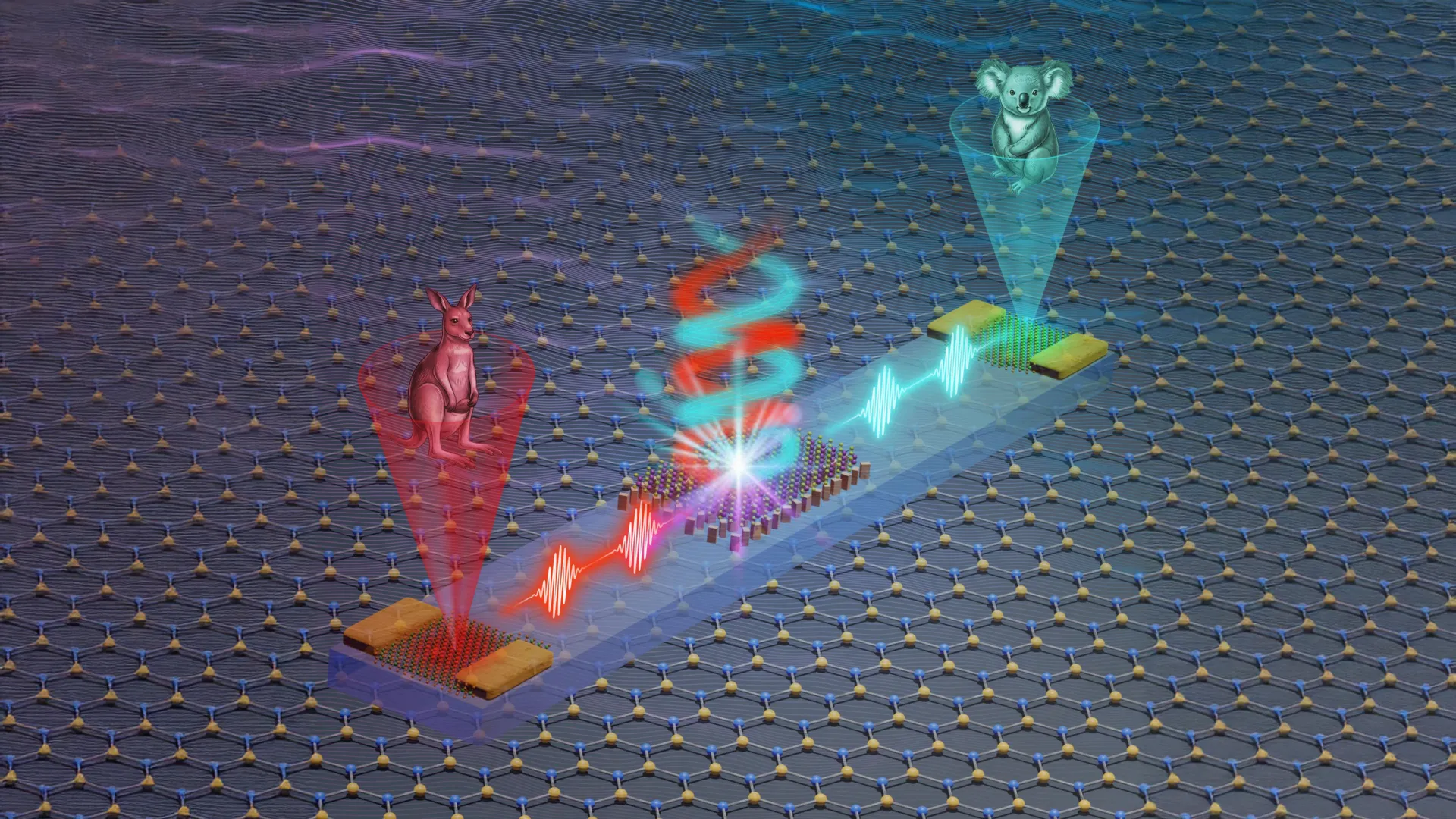
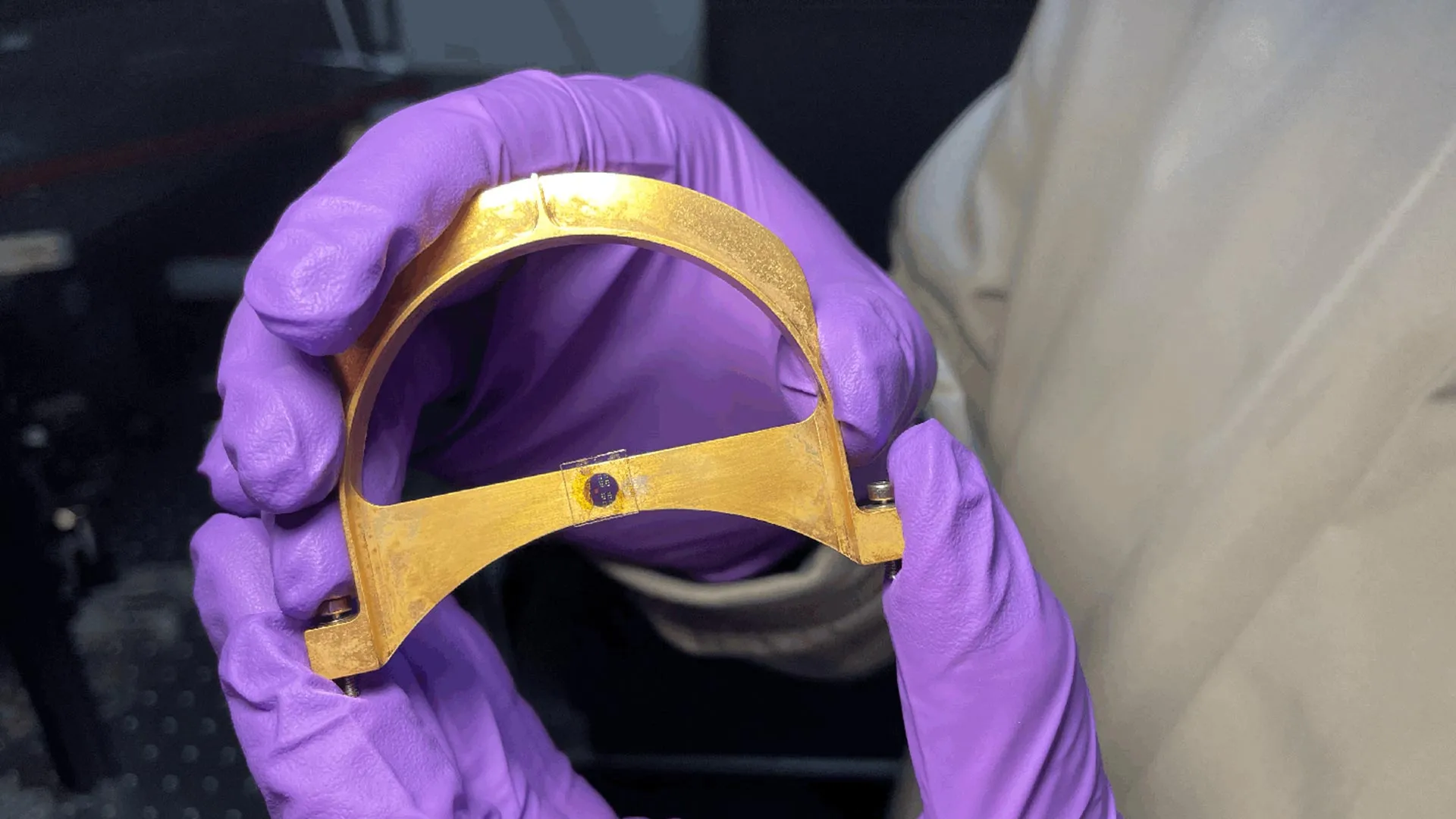
Scientists at Monash University have developed a groundbreaking nanoscale chip that can generate, direct, and read information carried by light within a single integrated device, representing a major leap toward practical quantum computing and communication systems. The innovation combines advanced nanotechnology with cutting-edge materials to harness a unique quantum property of light called the "valley degree of freedom," potentially revolutionizing how information is processed and transmitted.
The device addresses a fundamental challenge that has limited quantum technology development for years. Previous systems could either generate or detect specialized light signals, but not perform all functions within one compact, integrated platform. Lead author Dr. Chi Li explained that the achievement creates "a complete on-chip system that can create, route and read this information with very high precision," opening new possibilities for quantum information processing.
The breakthrough relies on ultra-thin materials only a few atoms thick, paired with specially engineered nanostructures designed to control light at extremely small scales. Co-first author Dr. Kaijian Xing noted that the team developed "a straightforward stacking approach to integrate ultra-thin materials with metasurfaces, overcoming the technical challenges of direct material growth on photonic structures." This innovation allows the device to manipulate photons with unprecedented accuracy while maintaining stability.
One of the technology's most significant advantages is its ability to operate at room temperature, eliminating the need for expensive cryogenic cooling systems that plague many quantum devices. Senior author Dr. Haoran Ren emphasized that this capability could enable "a new generation of compact photonic devices that are both programmable and highly efficient," making quantum technologies more accessible for real-world applications.
The research, published in Nature Photonics, could accelerate development of faster computing systems, reduce energy consumption in data processing, and enable new methods for secure communications. The valley degree of freedom represents an entirely new way to encode information, potentially providing quantum computers and communication networks with capabilities far beyond current electronic systems.