Oil Prices Edge Down While Stock Futures Inch Higher Amid Iran Conflict Uncertainty
Markets react cautiously to continued geopolitical tensions as investors weigh energy supply risks against broader economic impacts.
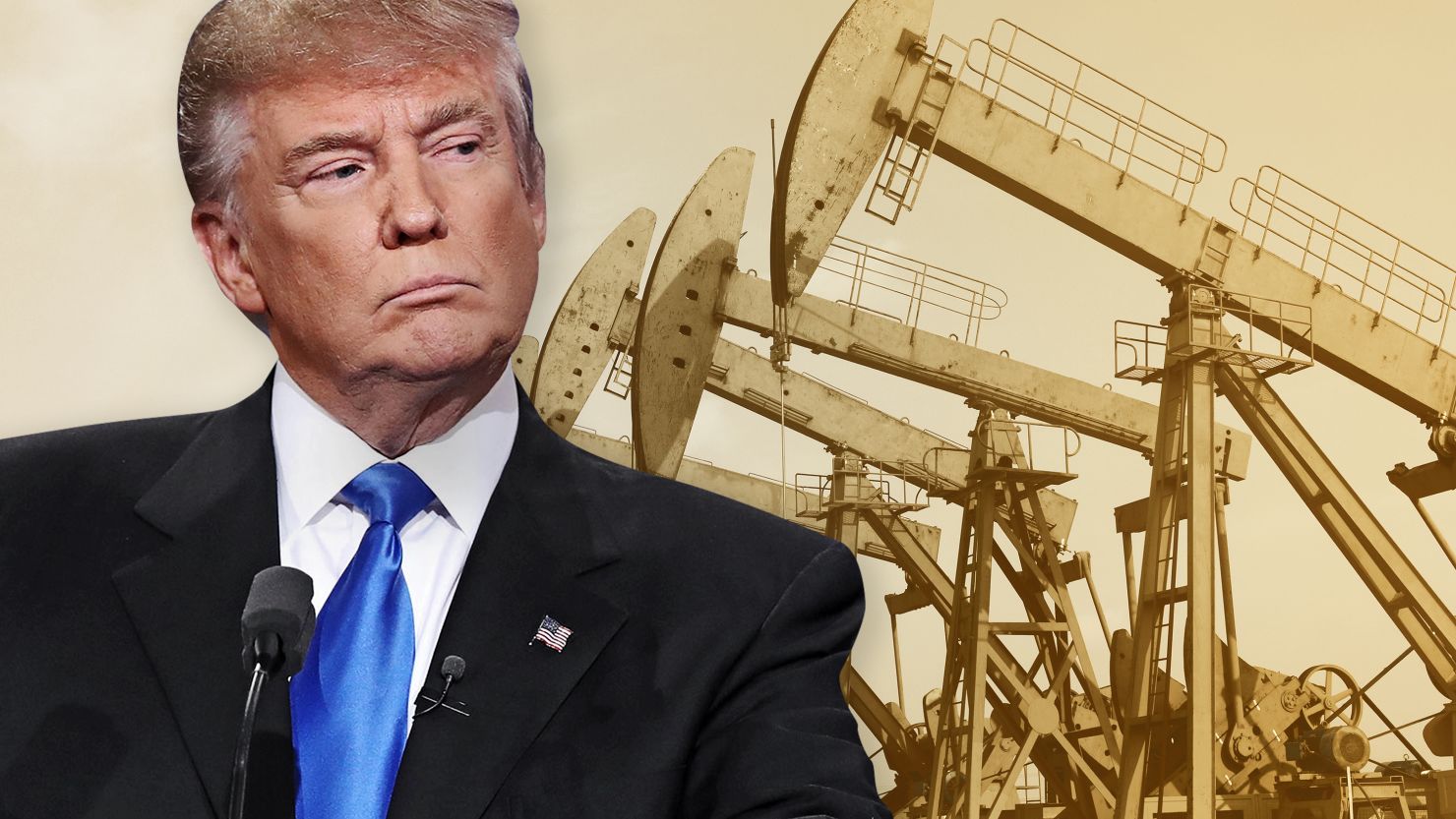
Oil prices declined while futures on the S&P 500 rose slightly on Sunday as investors continued to navigate the complex market dynamics created by the ongoing war in Iran. The mixed signals reflect growing uncertainty about how prolonged conflict in the strategically important Middle Eastern region will affect global energy supplies and broader economic stability. Trading activity remained cautious as markets attempted to price in both immediate supply disruptions and longer-term geopolitical risks.
The slight decline in oil prices came despite continued concerns about potential disruptions to Persian Gulf shipping lanes and Iranian energy exports. Traders appeared to be weighing immediate supply concerns against broader economic factors, including reduced global demand expectations if the conflict leads to wider economic slowdown. Brent crude and West Texas Intermediate both showed modest decreases from Friday's closing levels, suggesting markets may be factoring in potential diplomatic resolutions or alternative supply arrangements.
Stock futures showed resilience with small gains across major indices, indicating investor optimism that broader equity markets might weather the current geopolitical storm. The modest uptick in S&P 500 futures suggested that traders are beginning to differentiate between energy sector impacts and the performance of other market segments. Technology and domestic consumer stocks appeared to be attracting renewed interest from investors seeking exposure to sectors less directly affected by Middle Eastern conflicts.
Currency markets also reflected the complex dynamics, with the dollar showing mixed performance against major trading partners. The uncertainty has created volatility in foreign exchange markets as investors reassess risk preferences and safe-haven demand. Central bank policies in major economies continue to influence currency movements, with traders closely monitoring statements from Federal Reserve officials about potential policy responses to energy price volatility.
Analysts note that the current market environment reflects a delicate balance between geopolitical risk premiums and fundamental economic factors. While energy markets remain sensitive to developments in the Iran conflict, other sectors appear to be finding support from domestic economic indicators and corporate earnings expectations. The coming week is expected to provide additional clarity as markets digest new information about both conflict developments and their broader economic implications.