Nvidia Board Opens Probe Into CEO Jensen Huang's Ties to Alleged Chinese Spy
Huang admitted an affair in an email to staff Sunday after reports that a woman accused of spying for Beijing ran a firm that bought nearly $5 billion in Nvidia chip technology.

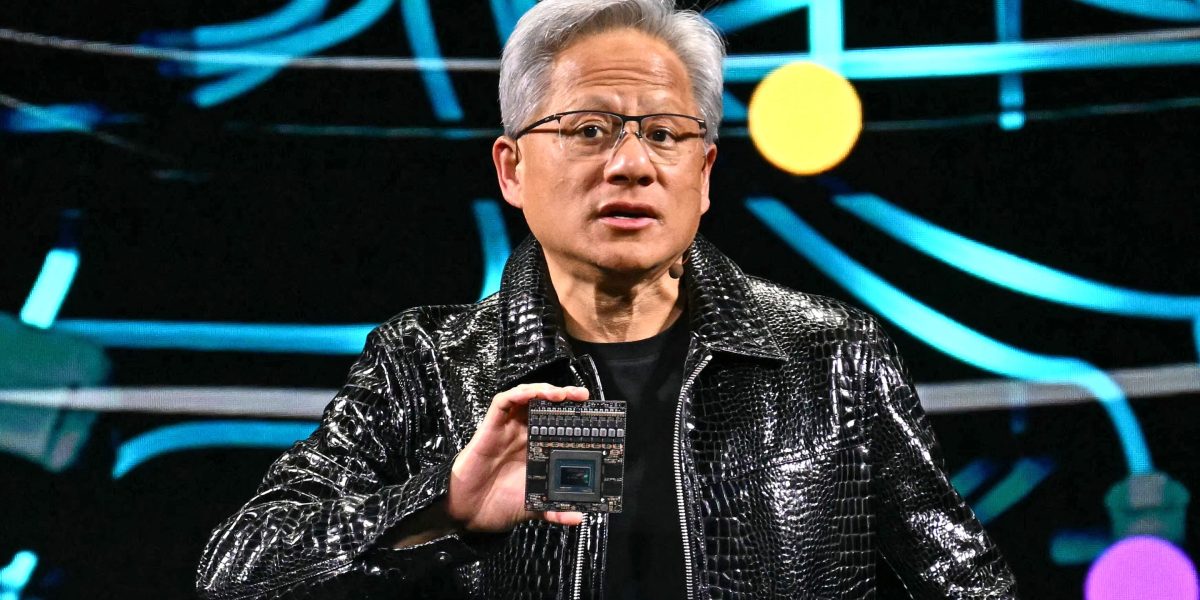
Nvidia's board of directors has opened an independent investigation into chief executive Jensen Huang after reports that he was the target of a Chinese intelligence operation aimed at getting advanced artificial intelligence chips into China. The company disclosed the probe on Sunday, the same day Huang admitted to an extramarital relationship with the woman at the center of the allegations.
In an email to employees, Huang wrote: "I was unfaithful to my wife. My actions hurt her and our children." He also said he was "proud and grateful" to be an American, and that he supports the investigation and will cooperate fully. A company spokesperson said Huang intends to keep running Nvidia without interruption.
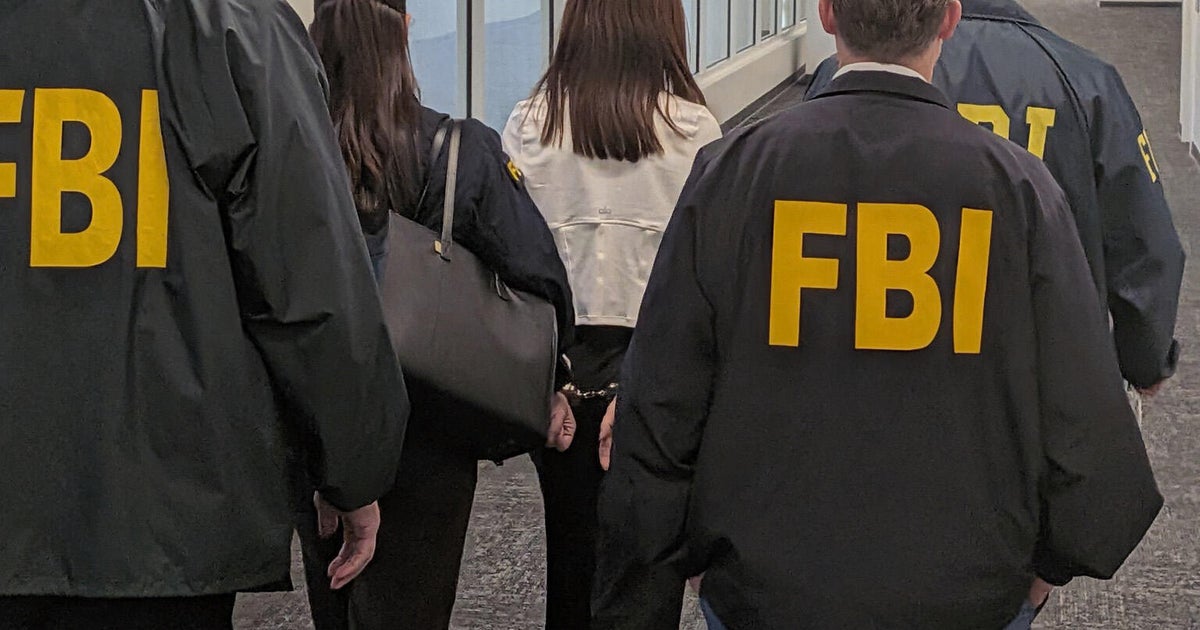
The allegations first surfaced in reporting by The New York Times and the Financial Times. The Times identified the woman as Alice Huang, a Chinese national accused of spying for Beijing. She is not related to the Nvidia chief. According to the reporting, she ran a Singapore-based company that bought close to $5 billion in Nvidia chip technology, and she was photographed with Huang on several occasions after industry events in Taiwan. CNBC reported that U.S. intelligence agencies are concerned she has passed information to Beijing, and that she is affiliated with a cloud company and with Megaspeed, an Nvidia customer accused of helping restricted Chinese companies obtain Nvidia's AI chips. Nvidia has said Megaspeed was already investigated for evading export controls.
The board said its inquiry "will examine all available information." It added that it has no reason to believe either national security or Nvidia's trade secrets were compromised. The reporting raises the possibility that Alice Huang helped China get around U.S. limits on exports of the most powerful AI chips, a point that sits at the center of Washington's technology fight with Beijing.
On Monday, China's foreign ministry spokesman Guo Jiakun called the spying allegation "groundless" and "a smear against China." NPR said it had contacted the Chinese Embassy in Washington and had not received a response.
Pressure from Congress is already building. On Wednesday, Nov. 5, three House Republican committee chairs asked Huang to sit for a closed-door briefing with lawmakers on Nov. 18 about the relationship and about Nvidia's safeguards against foreign espionage. The timing is awkward for the company: Nvidia reports third-quarter earnings on Nov. 17 and is due to hold a major conference in Washington at the end of the month.
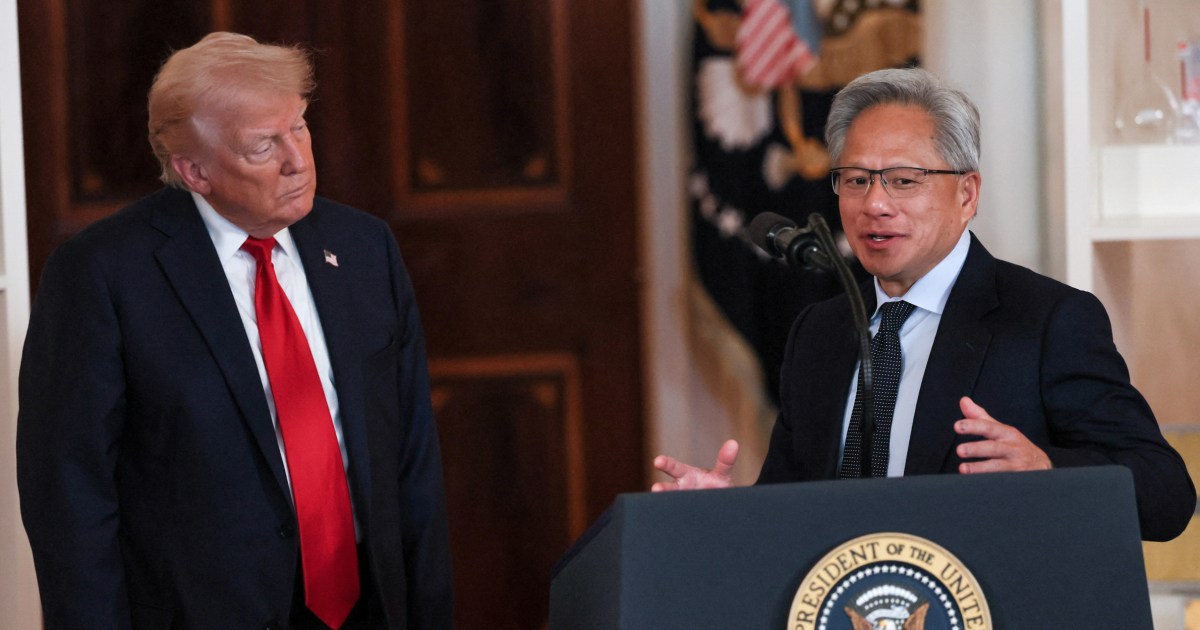
Nvidia dominates the market for AI chips, and Huang has appeared publicly with President Trump in recent years. Huang has said Nvidia is helping fund the new White House ballroom. Neither the company nor Huang has said whether the board expects to finish its inquiry before the congressional briefing.
Investors will be watching how the inquiry interacts with the earnings report and the congressional briefing. Nvidia's chips are central to the Trump administration's export-control policy, which restricts the most advanced processors from going to Chinese buyers, and any evidence that intermediaries helped skirt those limits would add pressure on both the company and the rules.