Microsoft's Brad Smith Blames an AI-Fueled Patching Race for the Wave of U.S. Tech Outages
The company's president says AI has made software flaws far easier to find, forcing a worldwide scramble to patch older systems faster than they can be tested, and he warns the disruptions will continue for months.
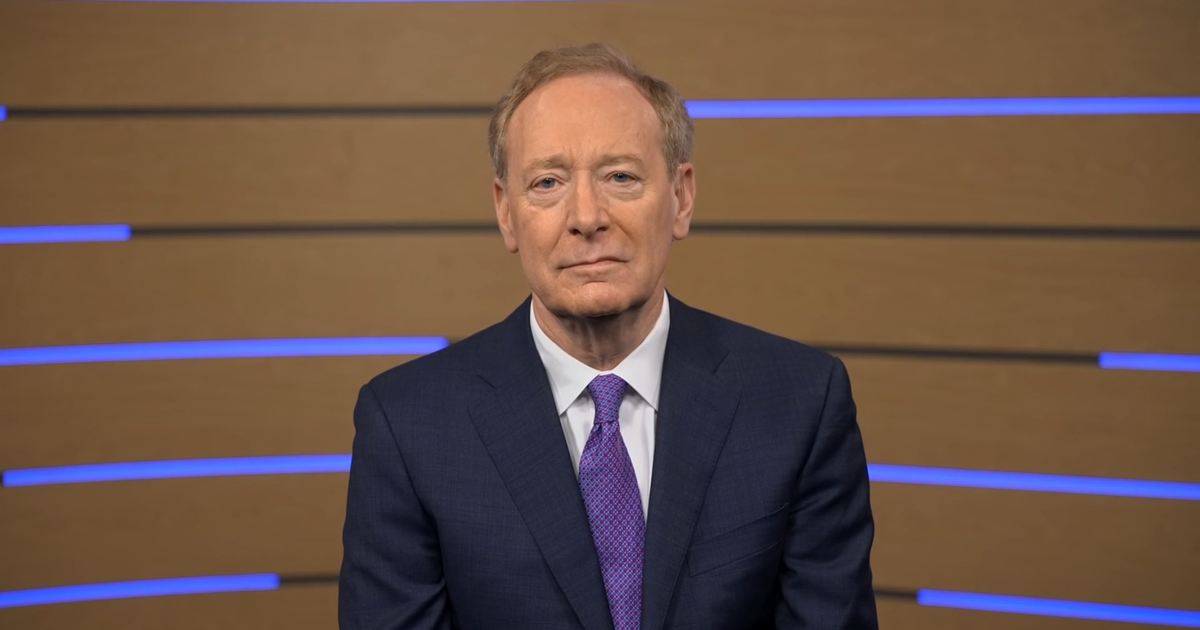
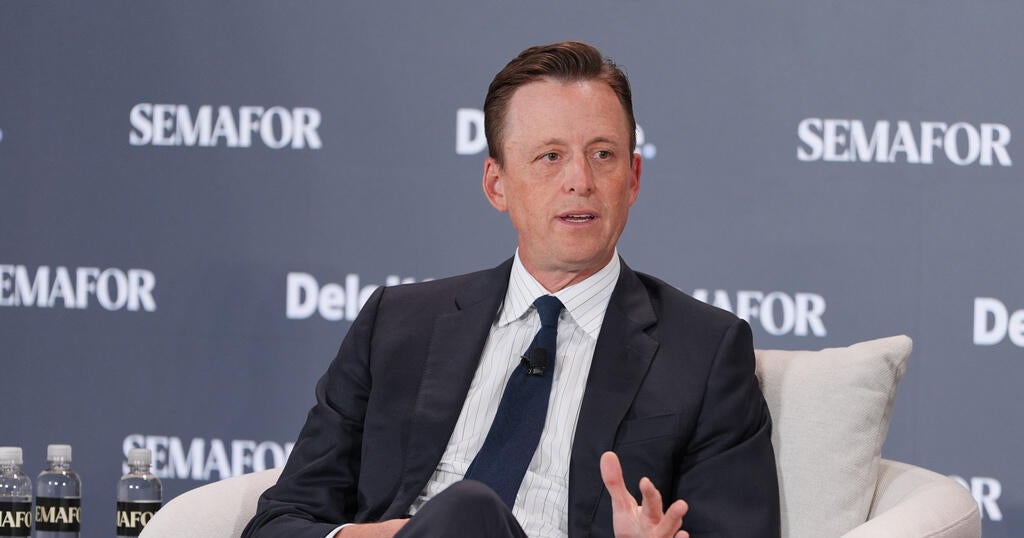
Microsoft President Brad Smith said Sunday that the string of technology outages hitting American businesses, banks and government agencies is, at least in substantial part, a ripple effect of artificial intelligence, and he warned that the country should be ready for more of them in the coming months.
"What AI did earlier this year was basically make it much easier for people to find vulnerabilities in code," Smith told Margaret Brennan on CBS News' "Face the Nation." That knowledge can be used to fix software or, in the hands of a bad actor, to break into it. "So what happened is we've set off, in effect, a race," he said. Around the world, people with the technology are using these systems to find holes and patch them at a pace he said has never been seen before, to beat attackers to the punch.
The risk, Smith said, comes when that speed meets old equipment. "Especially when you have older infrastructure, especially when you're trying to patch at such a pace, especially when you have to go so fast that you can't take as much time to test what you're changing in the code, you do increase the risk of something going wrong, and that's what we've seen over the last week." He added that the work will not wrap up quickly. "The whole information infrastructure of the world is in effect being upgraded right now."
Smith was also asked about Microsoft's own 24-hour global outage, which hobbled corporations around Nov. 12. He said it was not caused by AI and was not a cyberattack. Instead, he described "a perfect storm" in which software that had been updated four months earlier interacted with a new update and a shift in network traffic. Microsoft has published two reports in the past 10 days, walking the public through the incident minute by minute, and has taken nine corrective steps, with 13 more planned. "The first thing we always need to do when this happens is apologize," Smith said, "and we have, and I want to do so again."
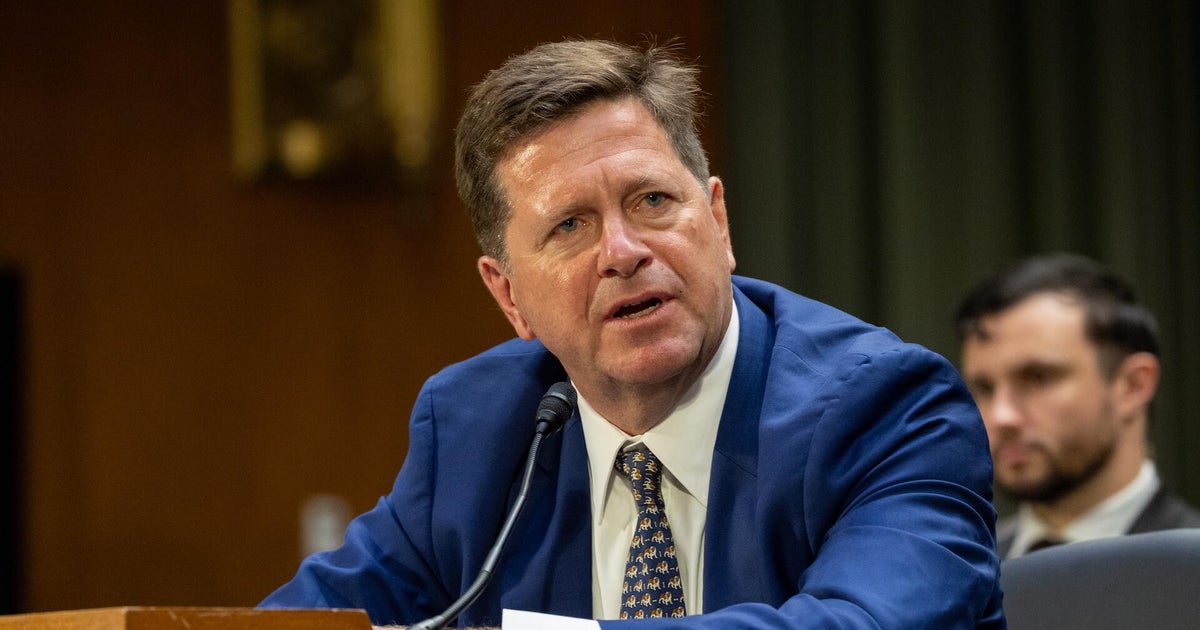
The patching race has already left marks on the federal government. CBS News reported this week that an outage of the National Security Agency's classified internal network on Tuesday was linked to urgent patching of two critical flaws, known collectively as PHP2Shell, in the PHP programming language, which runs roughly 70% of websites. The FBI, NSA and the Cybersecurity and Infrastructure Security Agency warned on Oct. 21 that organizations should patch immediately or take vulnerable systems offline. Director of National Intelligence Jay Clayton said on Fox Business that patching had caused some systems "to not come back up when you patch them as expected," which he said is what happened at the NSA.
The disruptions have reached ordinary customers too. Brennan noted that thousands of people had trouble with some of the biggest banks last week because of tech outages, and some pulled out cash. Treasury Secretary Scott Bessent, interviewed earlier on the same program, said Americans should not worry about their banks. He said patches can cause glitches, as happened at JPMorgan last week, and compared them to a vaccine: "Your arm may hurt, you may feel a little bad the next day, but it increases your long-term immunity and resiliency."
Smith offered three pieces of advice. First, individual users should install the updates that arrive on their phones and laptops, because that will keep their technology far safer. Second, organizations must change how their IT teams work together and upgrade legacy systems. Third, he said, the government and the technology industry need to share threat intelligence better and act in concert, and he credited Clayton with pushing that effort inside the administration.
Smith also weighed in on President Trump's proposal to penalize companies that build data centers abroad. Microsoft operates more than 600 data centers in 34 countries, according to its website. Smith said the administration may reasonably want the most advanced frontier AI models trained in the United States, but he stressed that most data centers run ordinary cloud services such as video streaming, gaming and business software, and have to sit near their customers. "You can't support Helsinki from New Jersey," he said.