Microsoft Open-Sources Earliest DOS Source Code Ever Discovered
Tech giant releases historic programming code that predates previously known versions, offering unprecedented look at early PC operating system development.
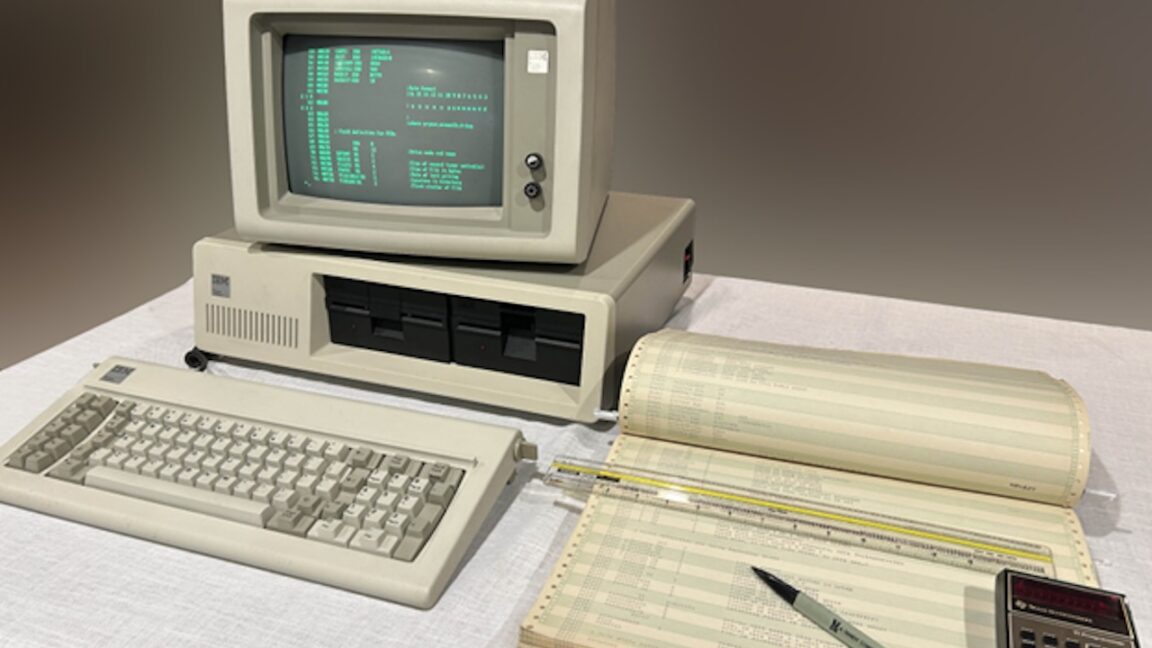
Microsoft has made available what the company describes as "the earliest DOS source code discovered to date," releasing historic programming materials that provide an unprecedented glimpse into the development of the operating system that helped launch the personal computer revolution. The newly released code predates previously available versions and offers researchers and technology historians a unique window into the early days of PC software development.
The source code release represents a significant contribution to computing history preservation, as DOS (Disk Operating System) served as the foundation for Microsoft's rise to dominance in the personal computer industry during the 1980s and early 1990s. The operating system was originally developed for IBM's first personal computers and became the standard platform for countless business and home computers throughout that era.
Technology historians have long sought access to early DOS development materials to better understand how fundamental computing concepts were implemented during the formative years of the PC industry. The newly released source code includes programming techniques and architectural decisions that influenced decades of subsequent operating system development, making it particularly valuable for academic research and historical analysis.
The decision to open-source this historic code reflects a broader trend among major technology companies to preserve and share important computing artifacts with researchers and the general public. Microsoft's action follows similar initiatives by other companies to make historically significant software available for study, recognizing the educational and cultural value of these early programming efforts.
Software preservation experts note that this type of release helps ensure that crucial pieces of computing history remain accessible for future generations of researchers and programmers. The availability of early DOS source code could lead to new insights about early PC development and help current programmers understand the evolution of operating system design principles that continue to influence modern computing platforms.