Judge Dismisses Trump's $10 Billion Epstein Letter Suit Against Wall Street Journal for Good
Calling the president 'grasping at straws,' Judge Darrin Gayles ruled with prejudice that Trump failed to show actual malice, so the case cannot be refiled.
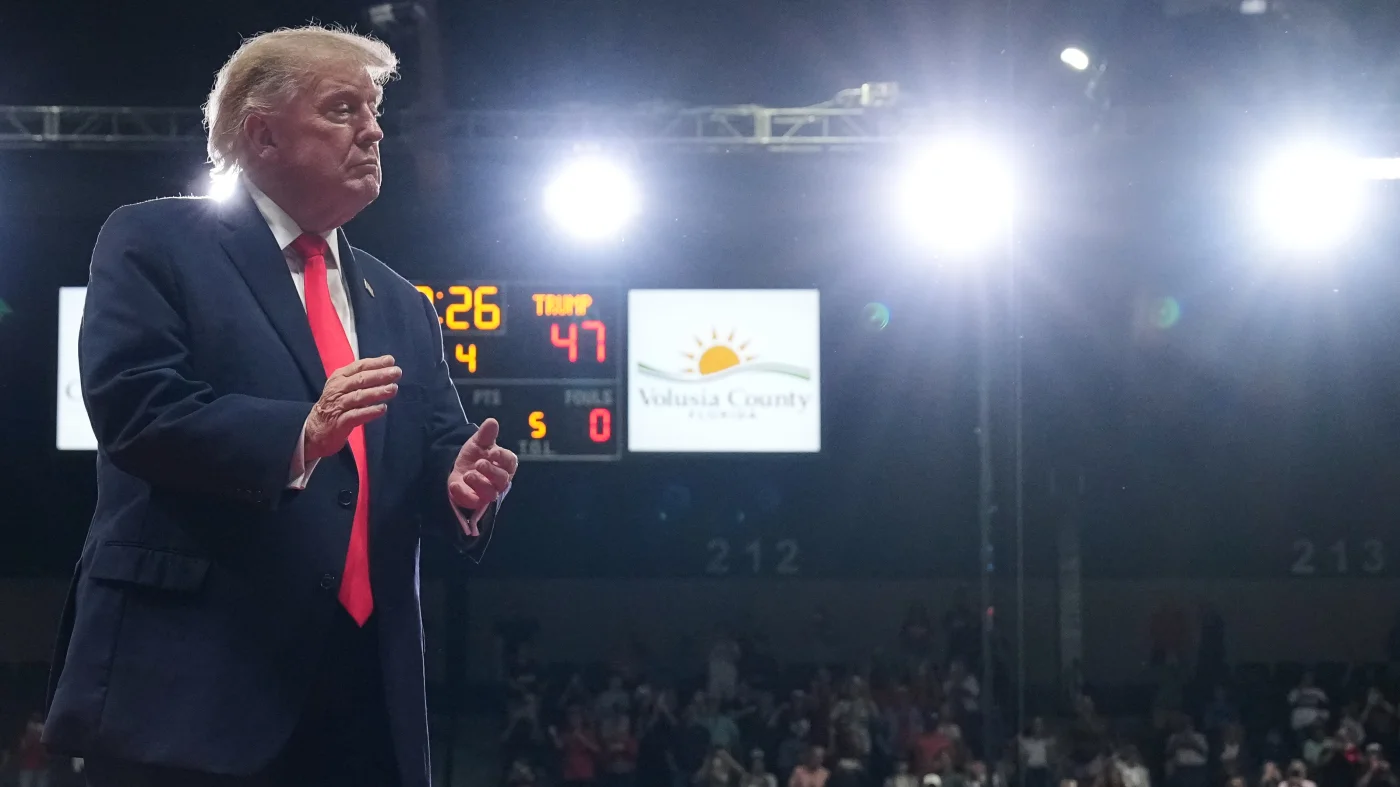
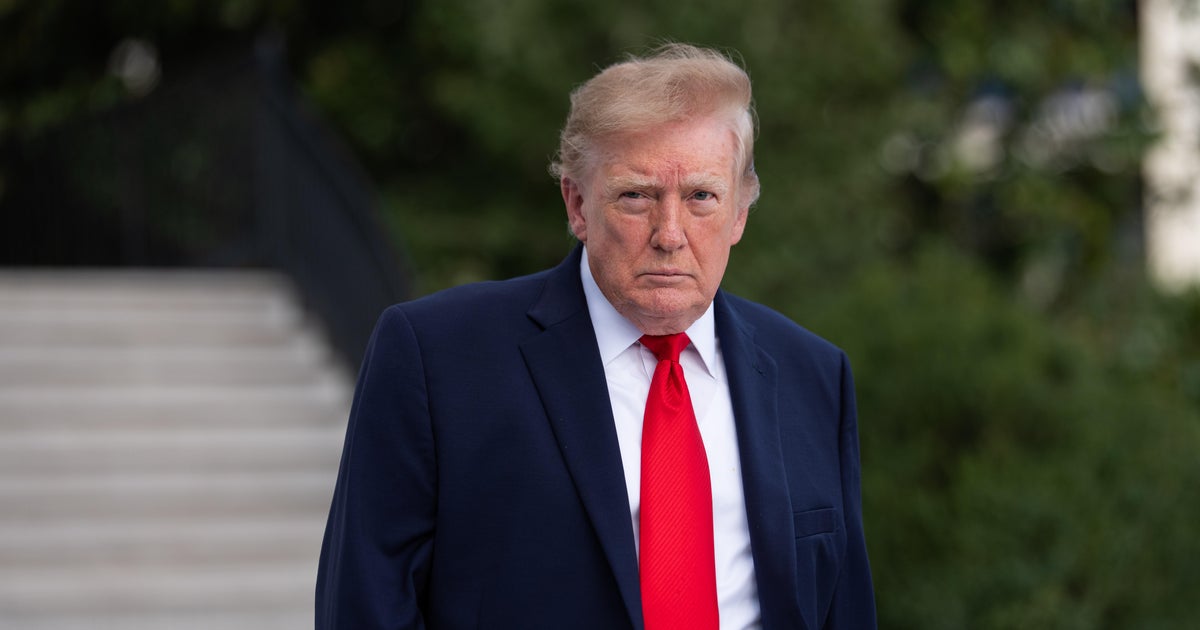
A federal judge in Miami on Saturday threw out President Donald Trump's $10 billion defamation lawsuit against The Wall Street Journal and media mogul Rupert Murdoch, saying the president was "grasping at straws."
U.S. District Judge Darrin Gayles dismissed the suit with prejudice, which means it cannot be refiled and the dismissal is permanent. He ruled that Trump did not show the defendants made defamatory statements with actual malice, the standard the law requires of public figures. The ruling said the suit had attempted to "manufacture" flaws in the Journal's investigative reporting.
The lawsuit concerned a story the Journal published last year describing a sexually suggestive letter and drawing that the paper said bore Trump's name. It was reportedly part of a 2003 album compiled for Jeffrey Epstein's 50th birthday, collected by British socialite Ghislaine Maxwell years before Epstein was first arrested in 2006 and before he had a falling-out with Trump. According to the newspaper, the letter includes text framed by the outline of what appears to be a hand-drawn naked woman and ends with, "Happy Birthday — and may every day be another wonderful secret."
Trump denied writing the letter and called the story "false, malicious, and defamatory." His complaint accused the paper and its reporters of having "knowingly and recklessly" published false and disparaging statements that caused "overwhelming financial and reputational harm." Epstein died by suicide in a New York jail cell in August 2019 while awaiting trial on federal sex trafficking charges.
Gayles had already dismissed the case once, in April, because Trump had not argued that the article was published with malice. He allowed an amended complaint, which Trump filed in May. On Saturday the judge said that version fell short too. "Indeed, the allegations regarding malice are conclusory, vague, sometimes inconsistent with the Article, and often irrelevant to whether Defendants knew or should have known that the statements in the Article were purportedly false," Gayles wrote.
He cited the Supreme Court's 1964 decision in New York Times Co. v. Sullivan, which made it harder for public figures to win libel suits by requiring proof that a news outlet knowingly published something false or showed reckless disregard for the truth. Gayles also noted that the Journal's story did not hide Trump's denial. "Rather, it informed readers that President Trump decried the Letter as a fake and denied writing it," he wrote.
The dismissal is a blow to a president whose second term has been marked by adversarial dealings with news organizations. Besides the Journal, Trump is entangled in lawsuits involving the BBC and The Associated Press. Most recently, CNN, MS NOW and Politico are suing him to restore their access after he banished them from the White House in mid-September. The White House did not immediately respond to the ruling or to an AP request for comment.