Supreme Court Hears Catholic Challenge to Colorado's Universal Pre-K Program Tuesday
The Denver Archdiocese says it should be exempt from a state ban on discrimination against gay and trans families while taking public preschool money. The ruling could reshape church-state law.
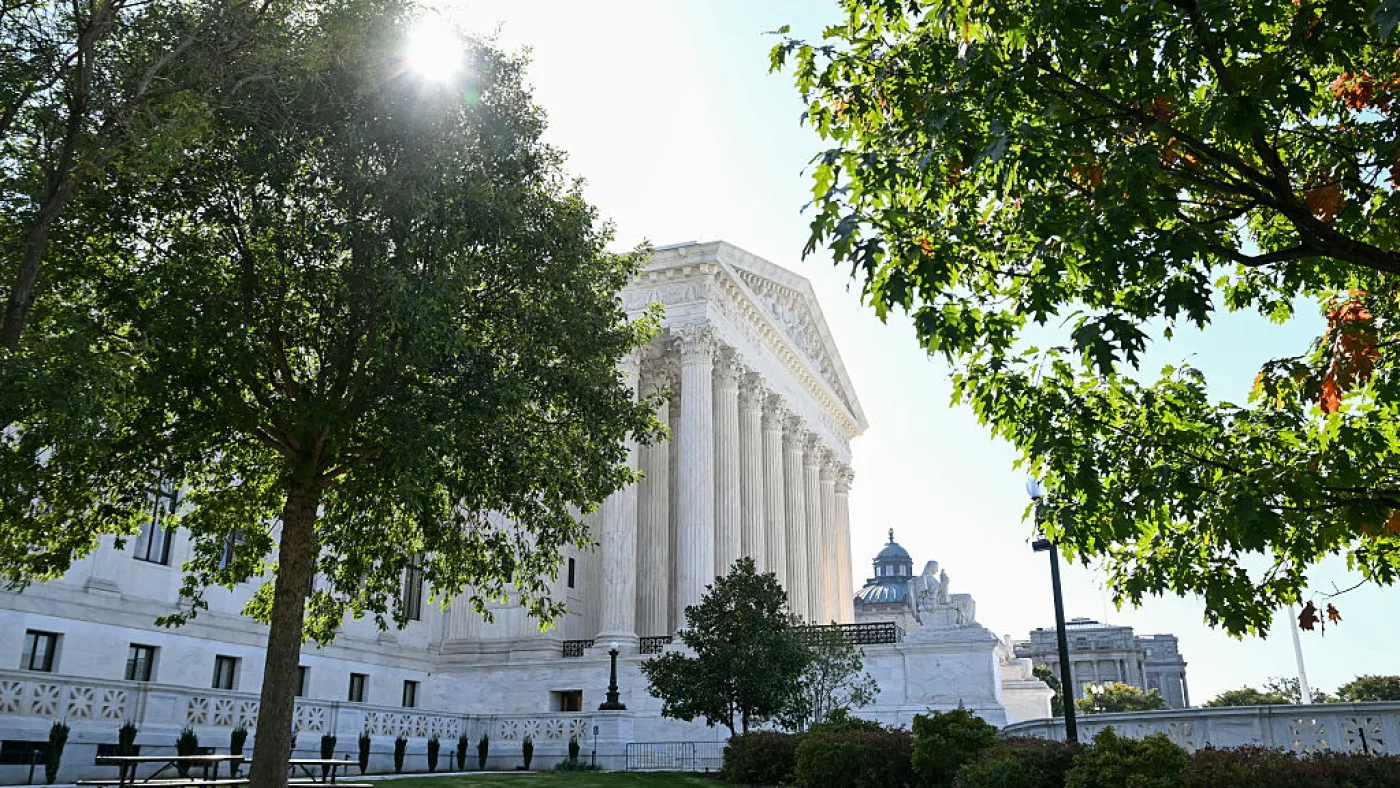
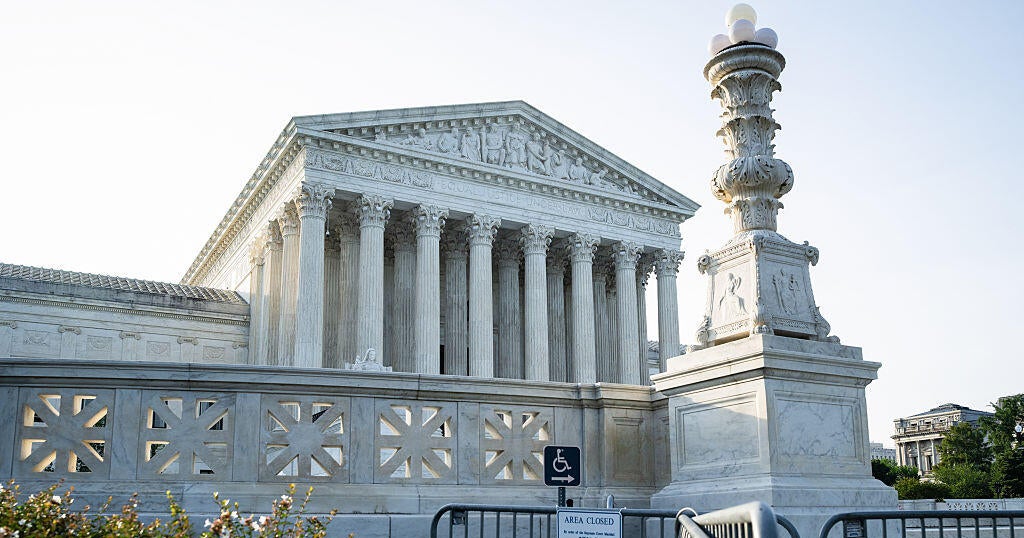
The Supreme Court hears arguments Tuesday in a case that pits the Catholic Church against Colorado's taxpayer-funded preschool program for all 4-year-olds. At issue is whether religious schools may refuse to admit the children of gay and transgender parents despite a state law that bars discrimination.
Colorado built a broad universal pre-K plan that includes religious schools, as long as they follow a state law prohibiting discrimination based on race, religion, sexual orientation or gender identity. The program pays $6,300 a year per enrolled child, funded by a tobacco tax. "The law really was about implementing a program that said we want every kid, no matter where you live, to be able to have access to universal preschool," said Steve Fenberg, who was Colorado Senate president when it passed. The Catholic Church initially endorsed the program, and Catholic Charities still participates, along with at least 35 Christian schools, one Muslim school and three Jewish schools.
The Archdiocese of Denver and two parishes sued, represented by the Becket Fund for Religious Liberty. CEO Mark Rienzi argues Colorado is excluding only religious schools organized around beliefs the state dislikes. "Not everybody has to be Catholic to show up, but they do have to agree to support Catholic teachings and not publicly contradict Catholic teachings," he said. The church wants an exemption from the anti-discrimination law.
Archbishop James Golka wrote in the Denver Post that Catholic school enrollment is down 20 percent across the archdiocese since the program began and that two preschools have closed, including one serving low-income and minority families. Scott Elmer, the archdiocese's superintendent of Catholic schools, acknowledged that it is "very rare" for LGBTQ parents to try to enroll their children. A group of Catholic school leaders has filed a brief siding with Colorado, and one of them, Tim Uhl, said the school system does admit non-Catholic students and families.
Legal scholars say the case sits on top of a major doctrinal shift. The court embraced Thomas Jefferson's "wall of separation" between church and state in the 1940s, but over roughly the past decade its conservative majority has focused instead on the Constitution's free exercise clause. "It's literally the opposite of what the law was not that long ago," said Frank Ravitch, a law professor at Michigan State University. In 1983 the court ruled 8-1 that Bob Jones University should lose its tax exemption for banning interracial dating. Douglas Laycock, a University of Texas law professor emeritus, doubts the court would extend that logic beyond race, given what he called 250 years of slavery and its aftermath.
The stakes extend to charter schools. Last year the court split evenly on whether taxpayer-funded charter schools could be religious, and the case was dropped because Justice Amy Coney Barrett recused herself. She has not recused in the Colorado case. Berkeley Law Dean Erwin Chemerinsky asked how far the justices will go in requiring government to pay for religious schools. A federal judge in Oklahoma recently allowed a taxpayer-funded Jewish charter school to open, using $2.6 million in state money projected to reach $8.3 million by 2030, and its fate hinges on the outcome here.