Iran Demands Billions in Frozen Funds as Precondition for Peace Talks With Trump
Tehran insists $12 billion must be released before meaningful negotiations can begin, while U.S. officials say Iran must abandon uranium enrichment first.

The United States and Iran have sent conflicting signals about what it would take to reach a deal to end the war, but amid competing demands from both sides, Tehran has not wavered from one condition: getting access to billions of its own money now frozen in foreign banks. The funds have become a sticking point in talks, with Iran insisting that meaningful negotiations cannot begin without the money's release, Iranian state media reported on Tuesday.
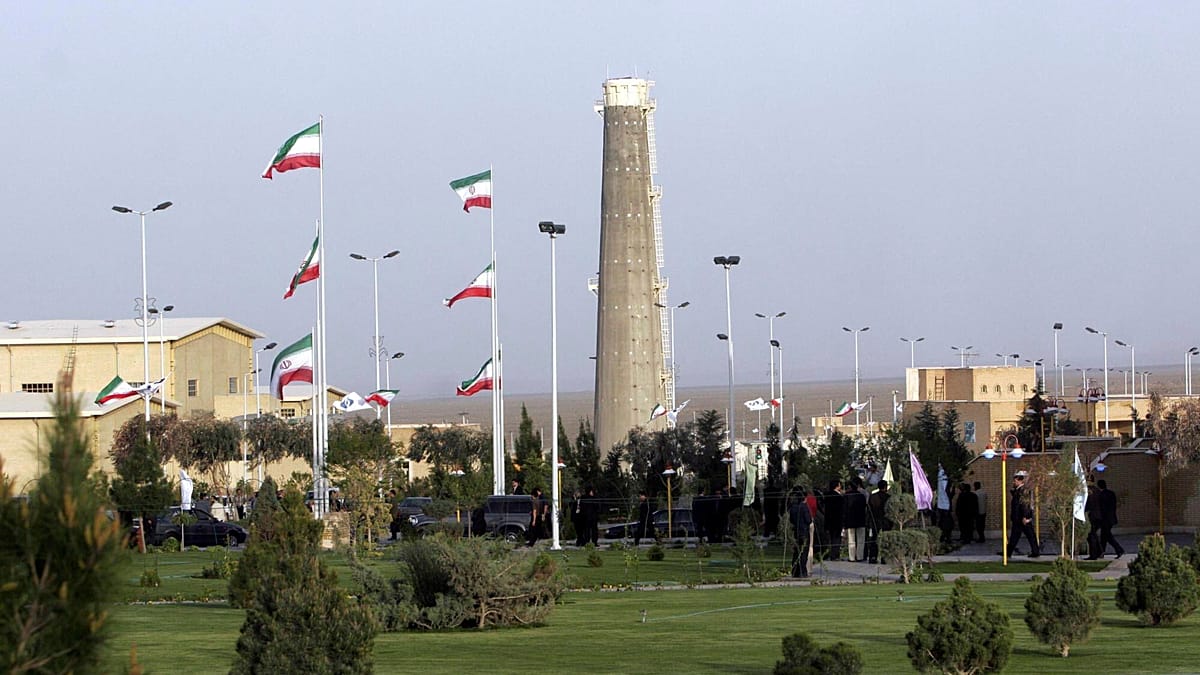
But a senior U.S. administration official who declined to be named told reporters on Sunday that while the question of Iran's frozen funds could potentially be part of a deal down the line, Iran would have to commit to giving up its highly enriched uranium first. "No dust, no dollars," the official said, referring to President Trump's term for the highly enriched uranium, which he calls "nuclear dust."
The money has become a key request for the Iranian government, which has been economically hobbled by decades of Western sanctions and recent wars with the United States and Israel. The conflicting views on the frozen funds suggest that Tehran and Washington are far apart on a peace agreement. Iran is seeking $12 billion out of $24 billion frozen abroad, according to the Tasnim news agency, which is affiliated with Iran's Islamic Revolutionary Guards Corps.
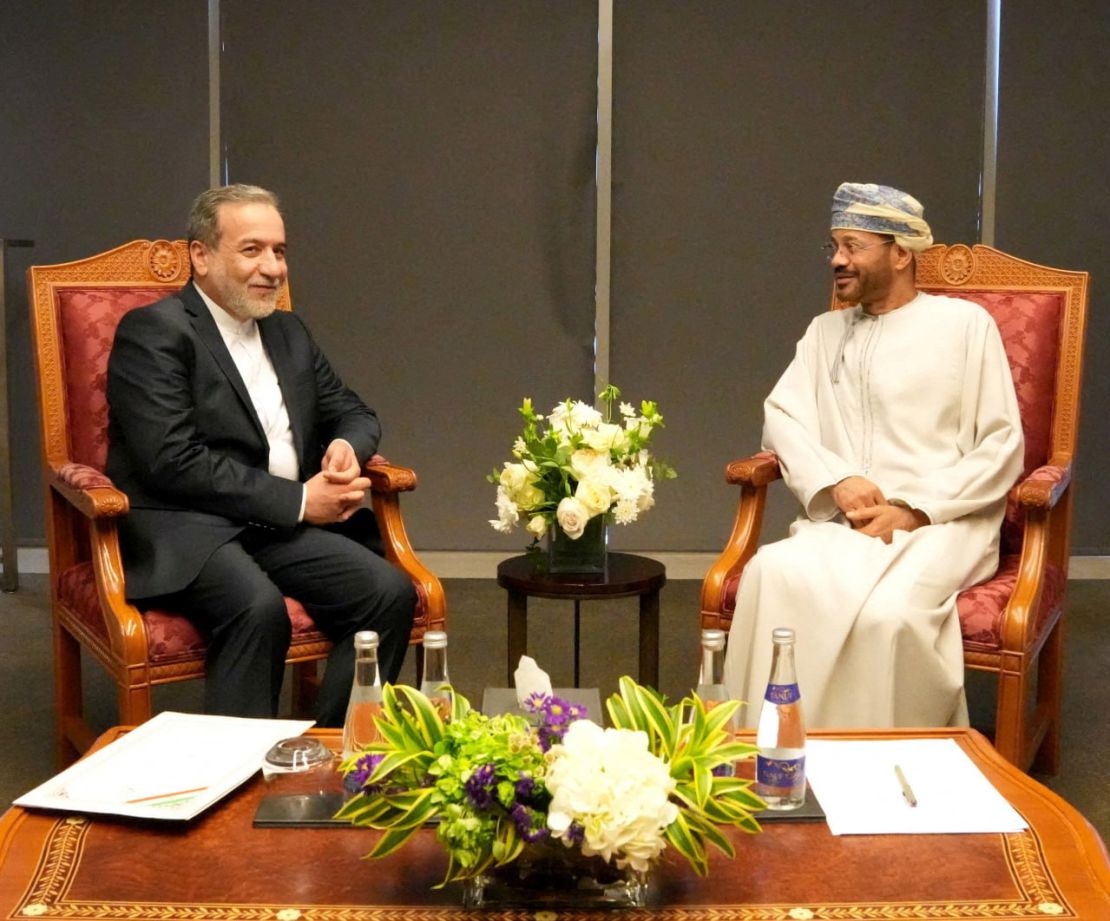
Qatar, where some of the funds are held, is serving as a mediator in the discussions, and Iranian and Qatari officials met on Monday to advance the talks. The frozen assets represent a critical lifeline for Iran's struggling economy, which has been devastated by years of international sanctions targeting its oil exports and banking sector.
The standoff over the frozen funds highlights the broader challenges facing any potential peace agreement between the two nations. While both sides have expressed interest in diplomatic solutions, the fundamental disagreement over sequencing—whether sanctions relief should precede or follow Iranian concessions—remains a major obstacle to progress in the negotiations.