Iran Adds New Condition as Vance Heads to Peace Talks
Tehran demands release of blocked Iranian assets before negotiations can begin, as Trump warns against overplaying their hand.
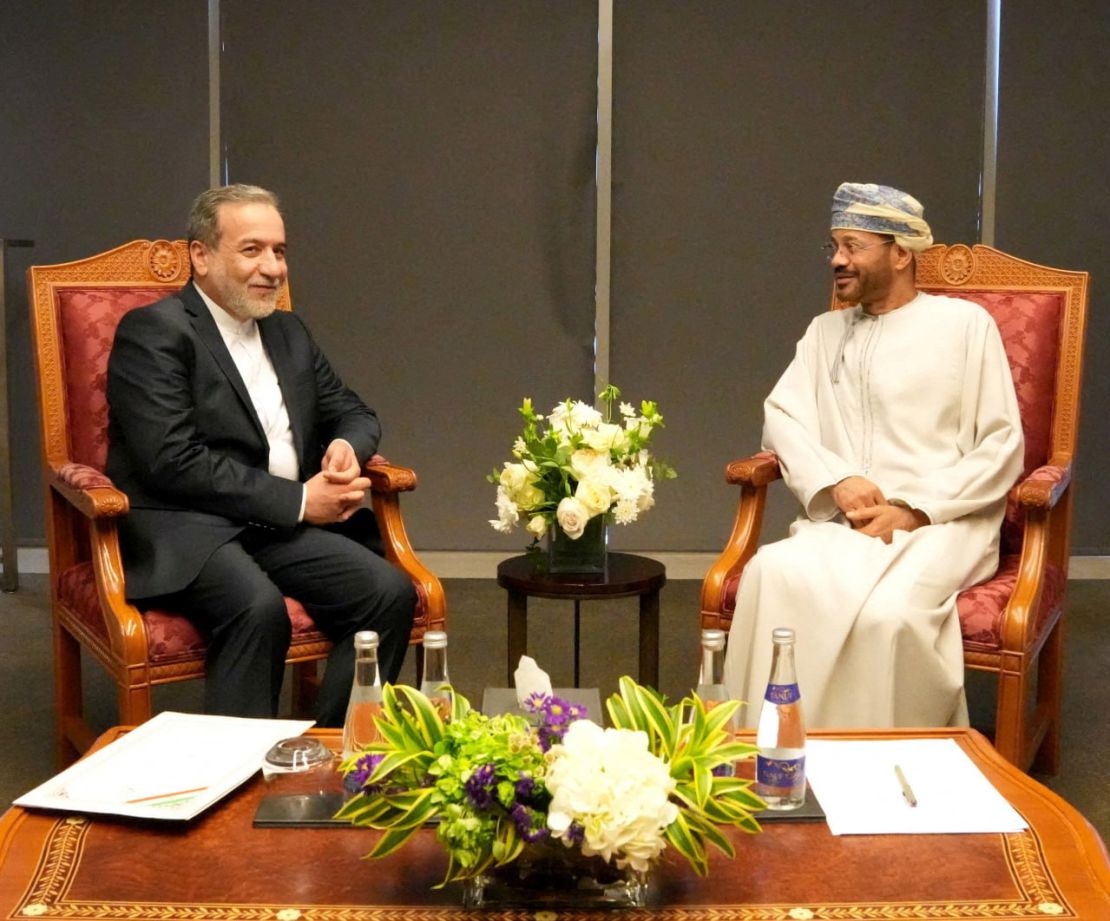
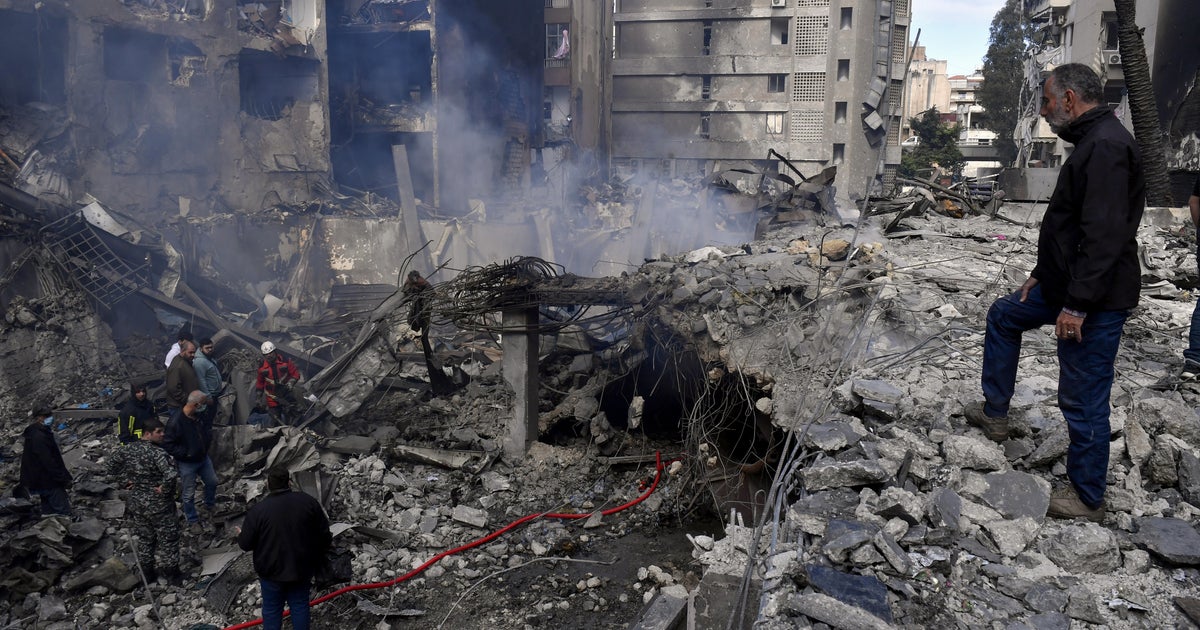
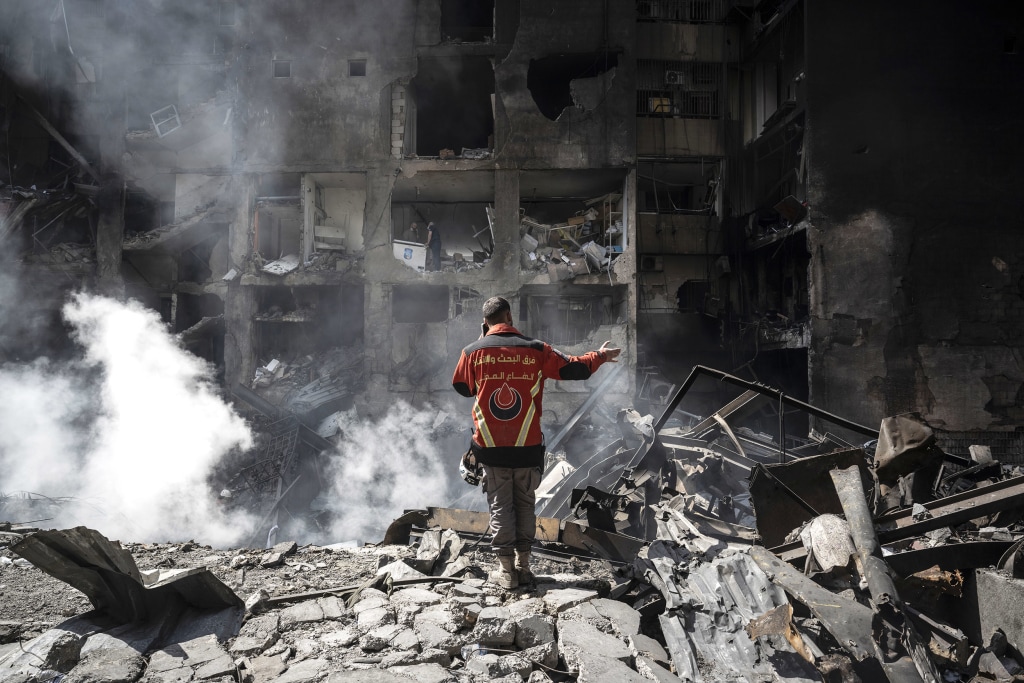
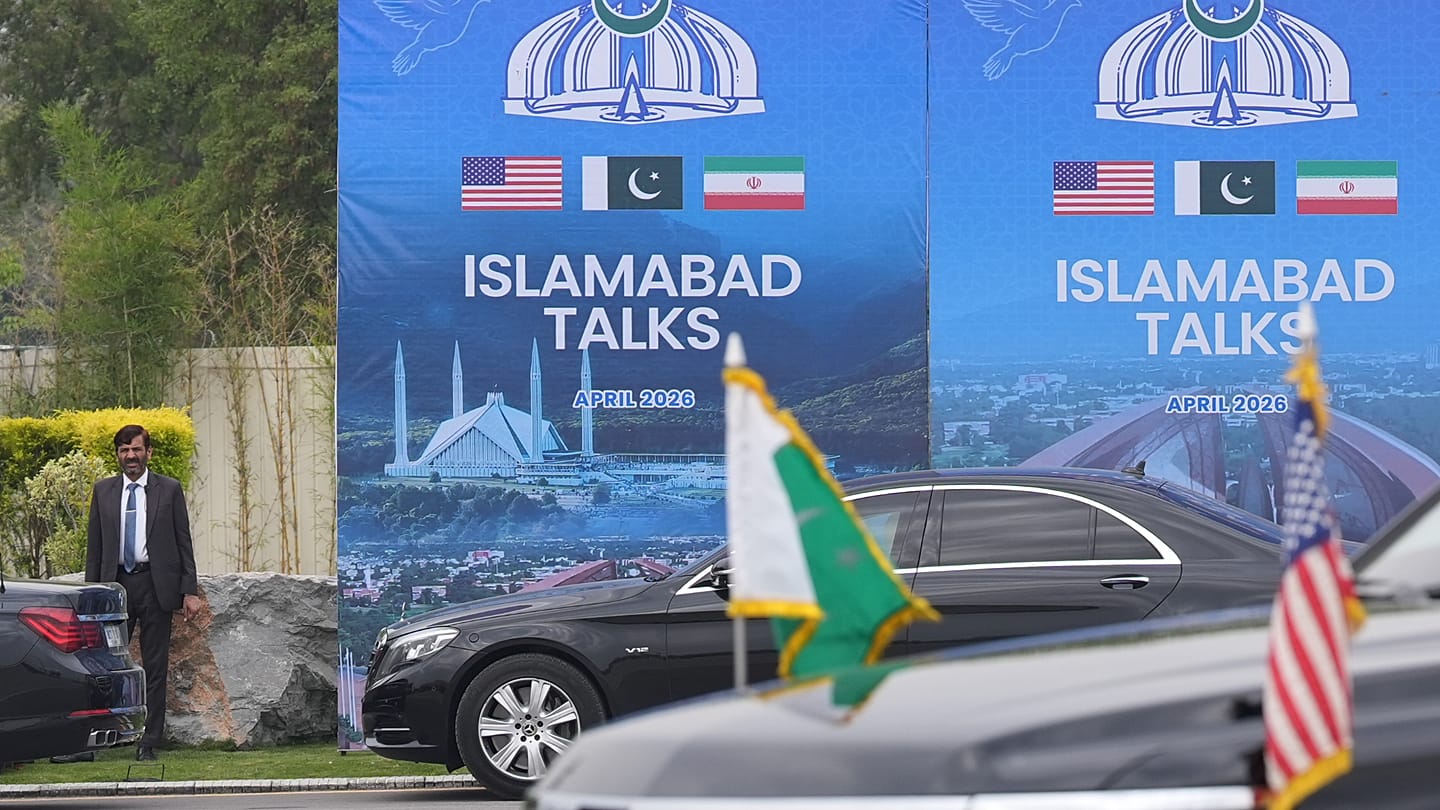
Iran has introduced a new precondition for peace negotiations with the United States, with the speaker of Iran's Parliament demanding the release of blocked Iranian assets before talks can commence, complicating diplomatic efforts as Vice President JD Vance prepares to lead American delegations to the peace negotiations. The demand represents a significant escalation in Tehran's negotiating position and adds another layer of complexity to the already delicate process of ending the military conflict that has roiled global energy markets and strained international relations.
The Iranian Parliament speaker's statement comes as the Biden administration, through Vance's leadership, has been working to establish a framework for meaningful negotiations to resolve the conflict. The demand for asset releases touches on billions of dollars in Iranian funds that have been frozen under various sanctions regimes over the years, including money held in foreign banks and investment accounts. These assets have been a longstanding point of contention between Iran and the United States, predating the current military conflict.
President Trump responded to Iran's new demand with a warning against overplaying their negotiating hand, suggesting that the administration views Tehran's position as potentially counterproductive to reaching a peaceful resolution. Trump's statement indicates that the United States may be prepared to walk away from negotiations if Iran continues to add preconditions that the administration considers unreasonable. The president's warning reflects growing frustration within the administration about Iran's approach to the diplomatic process.
Vice President Vance's role in leading the peace talks represents a significant diplomatic assignment and underscores the administration's commitment to finding a negotiated solution to the conflict. Vance's involvement signals that the administration is treating these negotiations as a top priority, given the vice president's senior position and his growing foreign policy portfolio. The talks are expected to address not only an immediate ceasefire but also longer-term issues related to regional security and Iranian nuclear activities.
The timing of Iran's demand is particularly significant as both sides face mounting pressure to end a conflict that has disrupted global energy supplies and contributed to rising inflation in the United States and other countries. International allies have been pressing both Washington and Tehran to find a diplomatic solution, while domestic political pressure in both countries reflects public concern about the war's economic and human costs. The success or failure of Vance's diplomatic mission could determine whether the conflict escalates further or moves toward a negotiated settlement that addresses both sides' core security concerns.