Iran Conflict Escalates Into Dangerous Strait of Hormuz Standoff
Trump threatens to shoot Iranian boats laying mines as economic costs mount and political backlash grows at home.

The Iran war has transformed from intensive bombardment into a volatile and economically devastating standoff in the Strait of Hormuz, with both sides engaging in high-stakes brinkmanship that threatens global oil supplies. The strategic waterway has become the focal point of tensions as neither Iran nor the United States shows signs of backing down from their respective positions, despite the mounting costs of the prolonged conflict.
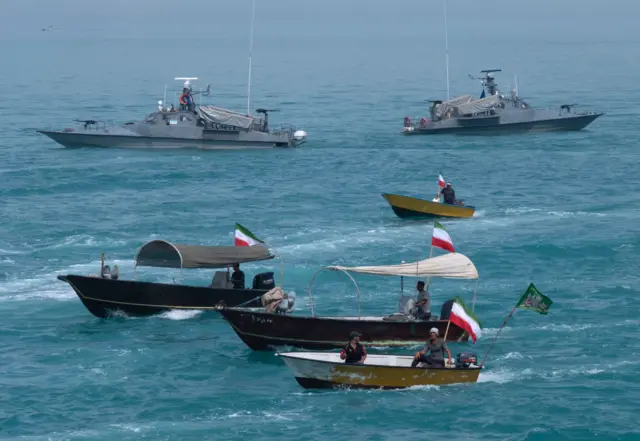
On Thursday morning, a senior Iranian official escalated tensions by posting on X that the country's fighters were "hiding in sea caves near the Strait of Hormuz, preparing to devastate the aggressors." President Trump responded just 18 minutes later on Truth Social, declaring that he had "ordered the United States Navy to shoot and kill any boat" that was "putting mines in the waters of the Strait of Hormuz." This rapid exchange of threats on social media platforms illustrates how the conflict has devolved into dangerous public posturing.
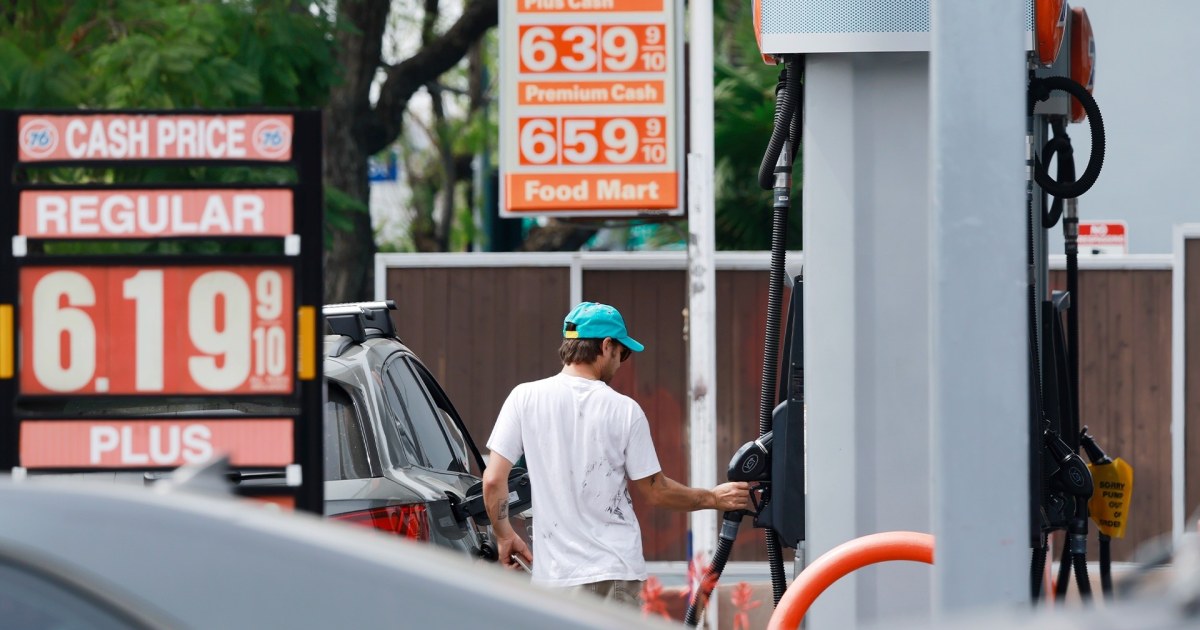
The cease-fire that Trump extended indefinitely this week has done little to reduce tensions in the critical shipping lane. Iran has seized two ships in recent days, while the U.S. maintains a significant naval presence in the region. The closure of the strait has created severe disruptions to global energy markets, with oil prices remaining elevated and shipping companies reluctant to risk transit through the contested waters.
Suzanne Maloney, an Iran specialist and vice president at the Brookings Institution, initially expected a diplomatic resolution given the enormous economic and strategic costs to the United States. However, she is now adjusting her expectations as Iran demonstrates determination to maintain control of the strait as leverage, while Trump faces a strategic quandary about how to proceed without escalating to full-scale conflict.
The standoff represents a significant challenge for the Trump administration, which must balance military objectives with growing economic pressure and domestic political backlash. The prolonged nature of the crisis, combined with its impact on global commerce, has created a complex dynamic where neither side appears willing to make the concessions necessary for a lasting resolution. The situation continues to test both countries' resolve while imposing substantial costs on the global economy.