The House Voted 212-206 on Locking the Supreme Court at Nine Justices. That Was Nowhere Near Enough
Andy Biggs's constitutional amendment needed a two-thirds majority. Democrats argued Congress has changed the court's size seven times since 1789 and should keep the power to do it again.
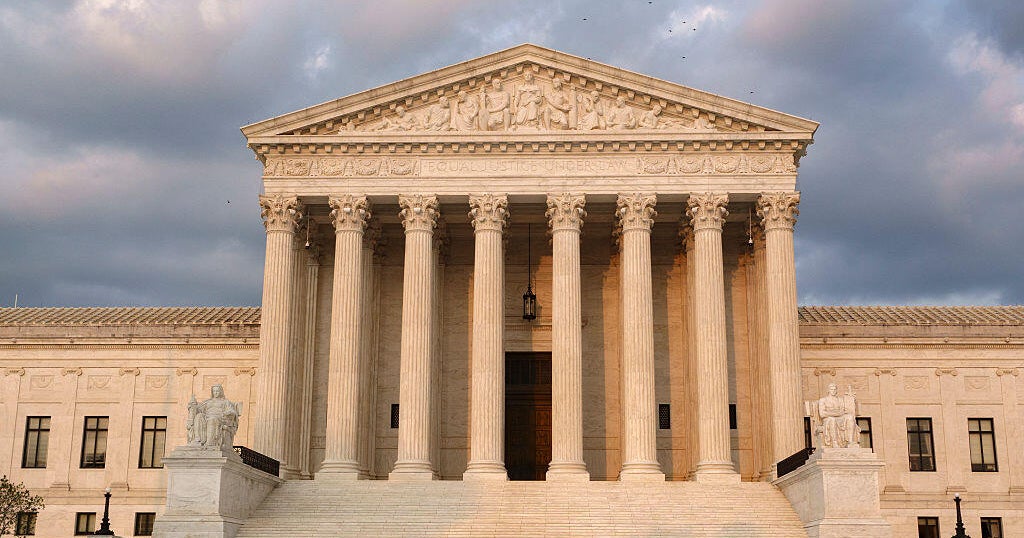
The House voted 212-206 on Wednesday on a Republican constitutional amendment that would have permanently fixed the size of the Supreme Court at nine justices. The measure failed, because a constitutional amendment requires a two-thirds majority in both chambers and 212 votes is not close to that.
The amendment was sponsored by Representative Andy Biggs, an Arizona Republican, and would have written into the Constitution what is currently only statute: one chief justice and eight associate justices. Congress sets the court's size by ordinary law, which means a simple majority plus a president's signature can change it. Biggs's argument was that this is a standing invitation to whoever wins power next. "A fixed court cannot be expanded by whoever happens to win the next election," he said.
Democratic leadership attacked the proposal on the grounds that it would take an authority Congress has held since the founding and hand it to nobody. Representative Katherine Clark pointed out that Congress has changed the number of justices seven times since 1789, moving it as low as five and as high as ten before settling at nine in 1869. Representative Jamie Raskin put the objection in more pointed terms, saying Republicans were trying to "freeze into place the political court" that recent elections had produced.
That is the real fight underneath the procedural one. The current nine-member court includes three justices confirmed during Donald Trump's first term, and Democrats who spent the years since arguing for expansion see a permanent nine as a lock rather than a neutral rule. Representative James Clyburn has proposed going to 13 justices. The Democratic Socialists of America platform goes further and calls for replacing the current structure outright.
Speaker Mike Johnson backed the amendment as "critically important" to preventing what he called a "political palooza" in which each new majority resizes the bench to suit itself. He is describing a genuine risk — the escalation logic of court expansion is that it never stops with one round — but the vote count shows he does not have the numbers to close the door through constitutional means.
Wednesday's outcome leaves the status quo intact and slightly clarified. The size of the Supreme Court remains a matter of ordinary legislation, changeable by a future Congress, and the House has now put every member on record about whether that should stay true. For an amendment that was never going to reach 290 votes, that record is the point.