Health Officials Race to Contain Deadly Hantavirus Outbreak on Cruise Ship
A Dutch flight attendant and French national are among the latest to be tested as authorities predict 'limited' spread despite the virus's deadly nature.

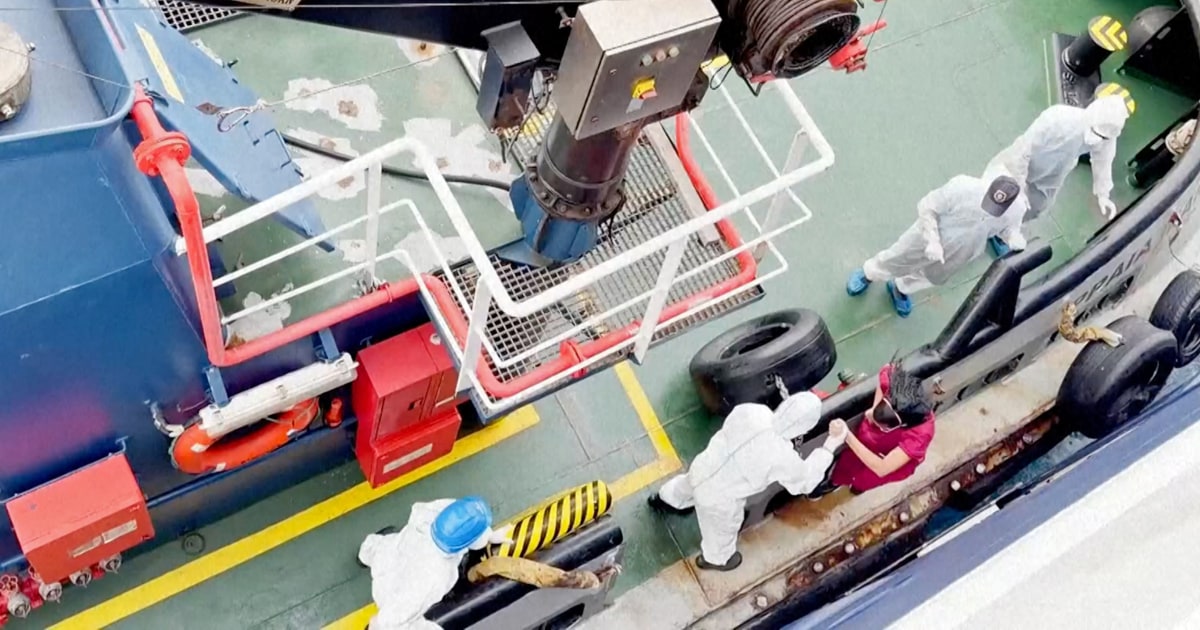
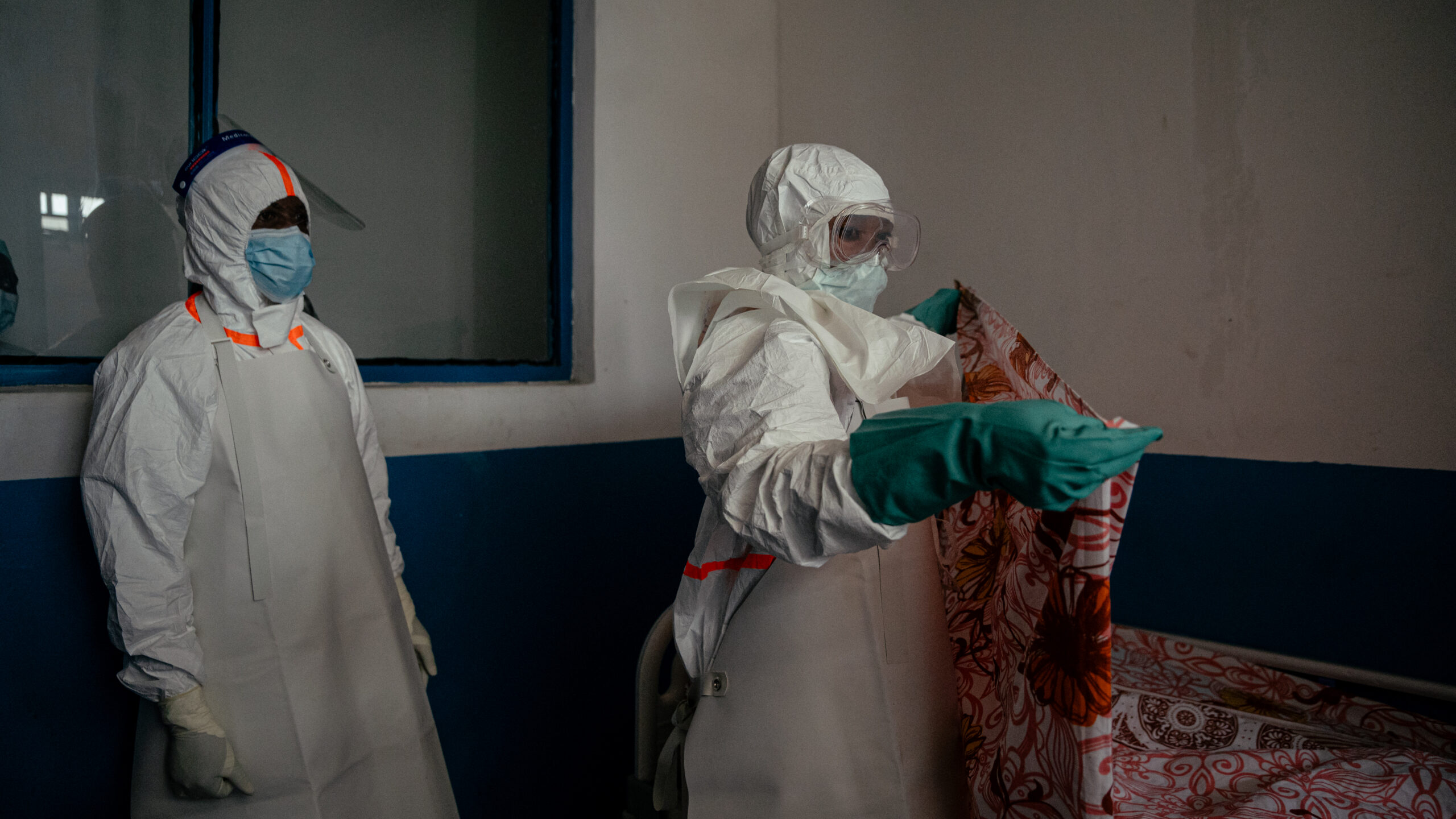
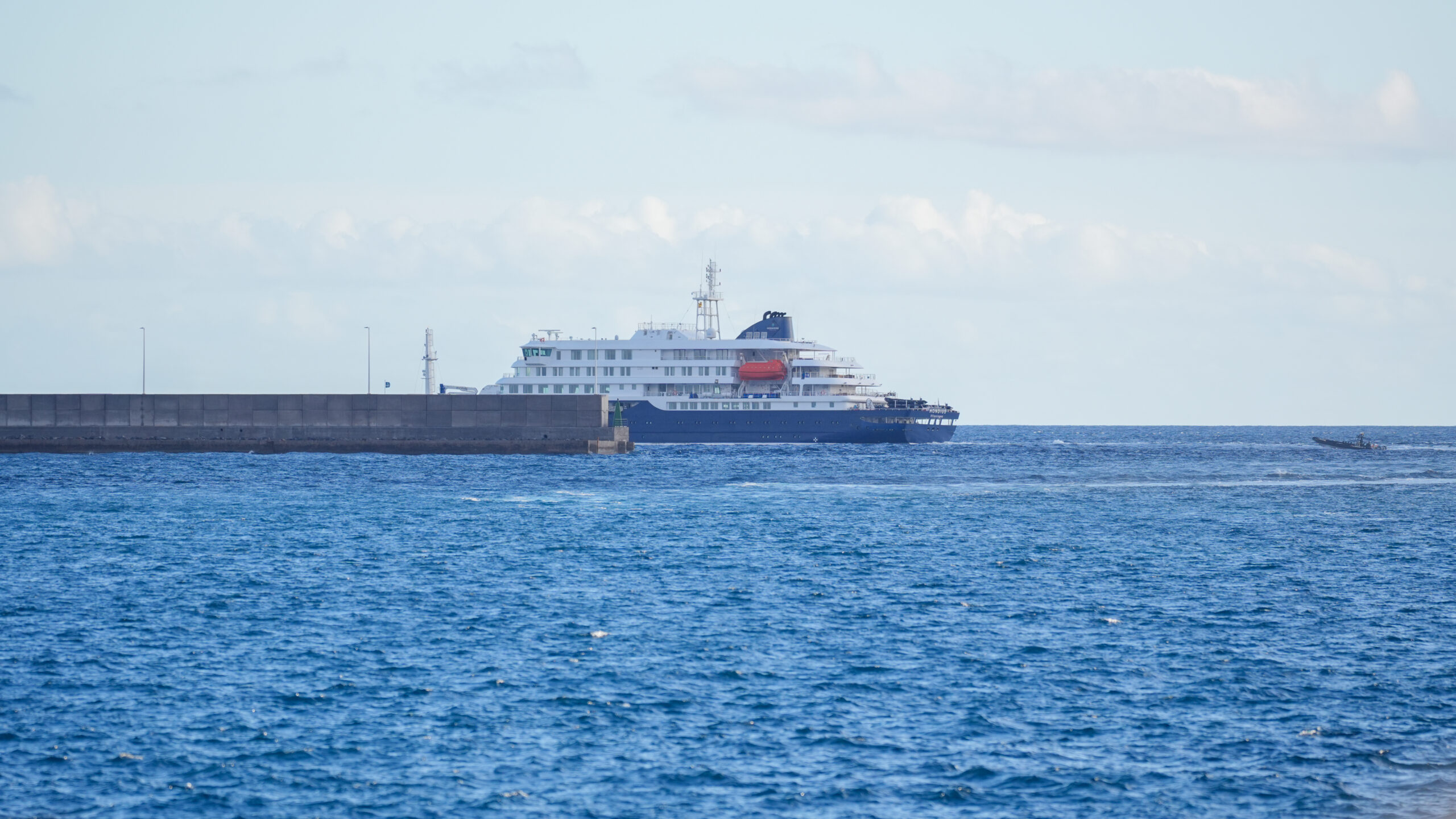
Health officials across Europe are working urgently to track and contain a deadly hantavirus outbreak that originated on a cruise ship, with new cases emerging among international passengers and crew members. A Dutch flight attendant and French national were among the latest individuals to be tested in connection with the outbreak, which has prompted widespread concern due to hantavirus's high mortality rate. Despite the virus's lethal potential, health authorities are cautiously optimistic that the spread will remain limited based on initial epidemiological analysis.
The outbreak represents an unusual occurrence for hantavirus, which typically spreads through contact with infected rodent droppings, urine, or saliva rather than person-to-person transmission. Cruise ships present unique challenges for disease control due to their enclosed environments and international passenger populations that can quickly disperse to multiple countries. Health officials are now racing to track all passengers and crew members who may have been exposed during the voyage, a complex logistical undertaking given the ship's international itinerary.
Encouraging news has emerged from South Africa, where laboratory analysis of viral samples showed no mutations that would indicate the virus has adapted for easier human transmission. This finding suggests that the outbreak may be contained to those who had direct exposure to the original source of infection, rather than spreading through secondary human-to-human contact. The lack of viral mutations is crucial for containment efforts, as it indicates the virus has not evolved to become more transmissible between people.
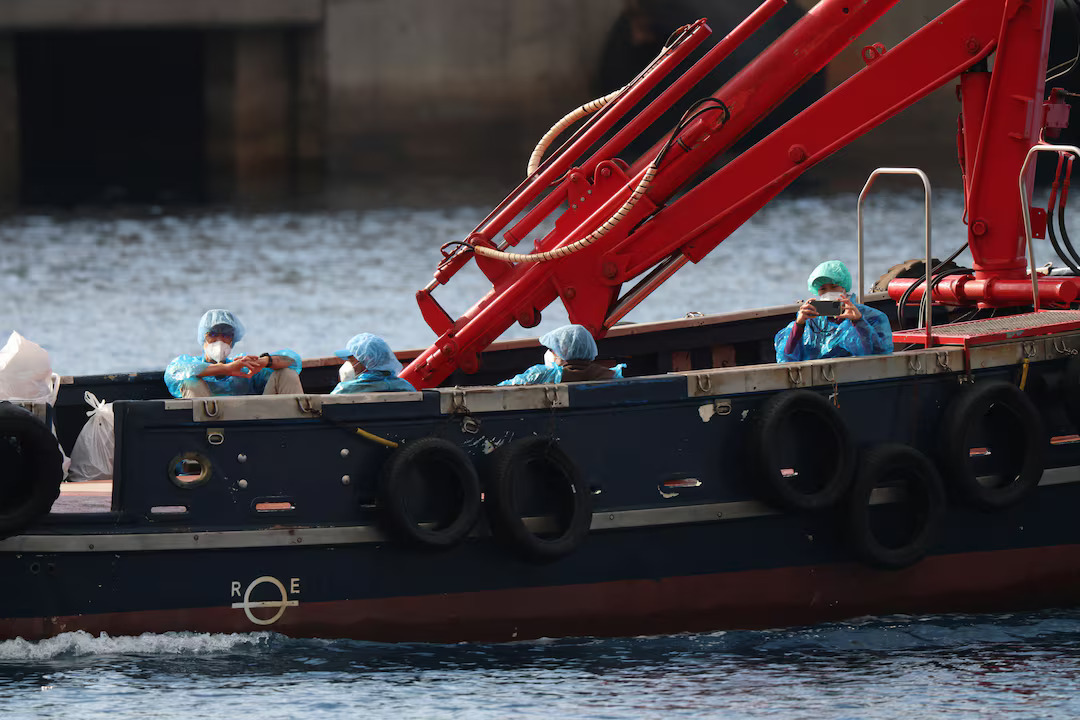
Authorities are implementing comprehensive contact tracing and monitoring protocols for all individuals who were aboard the cruise ship during the relevant time period. Passengers and crew members are being asked to monitor for symptoms and report any signs of illness to health officials in their respective countries. The international nature of the outbreak requires close coordination between multiple national health systems and the World Health Organization to ensure no cases are missed.
While health officials remain cautious about declaring victory over the outbreak, the early indications suggest that swift action and the virus's apparent lack of adaptation may prevent a wider public health crisis. The incident highlights both the ongoing risks posed by emerging infectious diseases in our interconnected world and the importance of rapid response capabilities when outbreaks occur in international transportation settings like cruise ships and airlines.