Ebola Outbreak Becomes Third Largest on Record and 'Spreading Rapidly'
Health officials warn the current Ebola crisis has reached unprecedented scale with rapid transmission across affected regions.
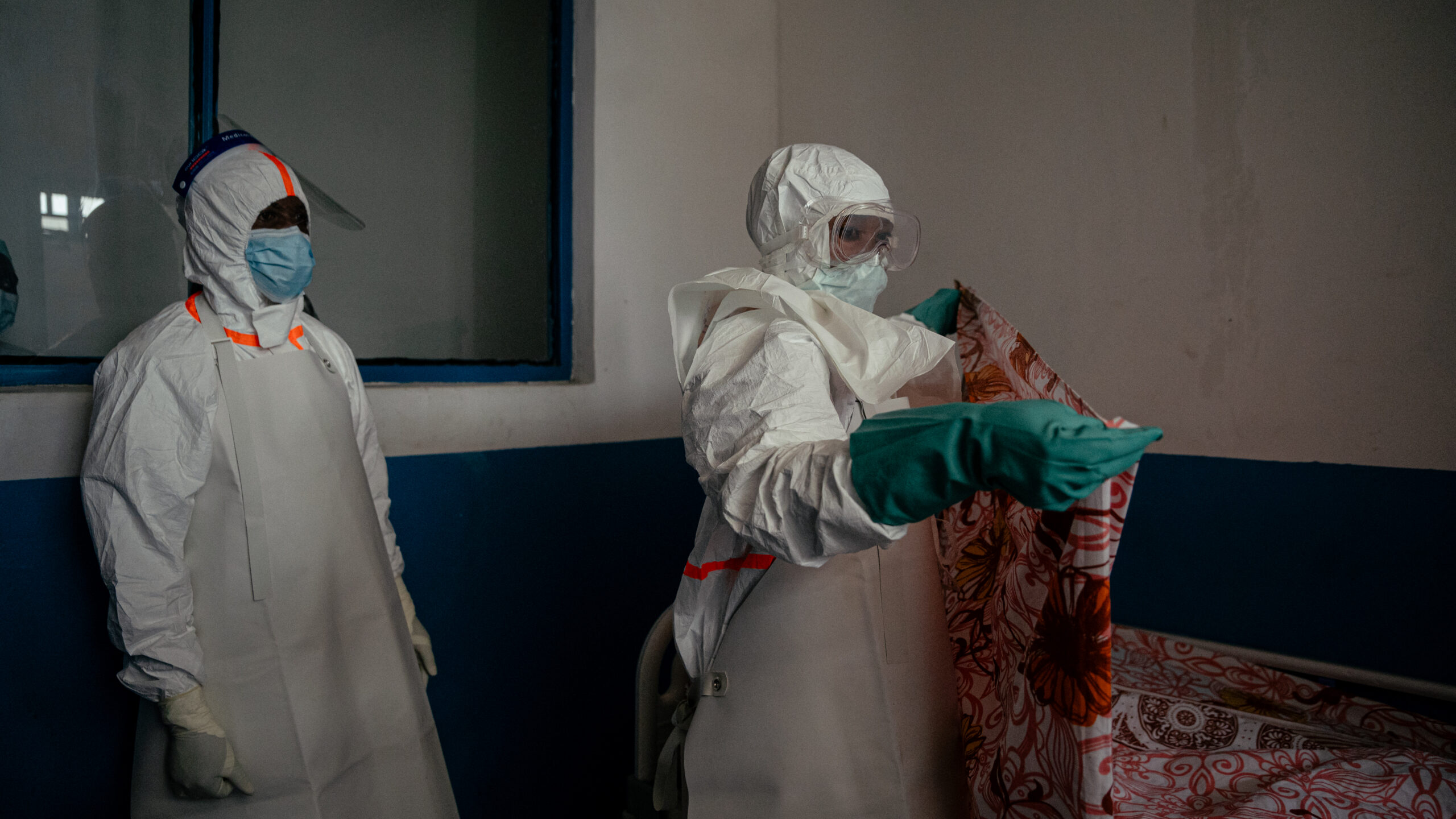
The ongoing Ebola outbreak has escalated to become the third largest recorded in history and is "spreading rapidly" according to health officials, raising urgent concerns about international containment efforts and healthcare system capacity in affected regions. The outbreak's scale has surpassed previous epidemics, with transmission rates that have alarmed global health authorities.
The rapid spread of the current outbreak has challenged traditional containment strategies that proved effective in smaller, more localized Ebola emergencies. Health officials are struggling to implement contact tracing, quarantine measures, and treatment protocols across the expanding geographic area affected by the virus. The sheer scale of the outbreak has stretched resources thin and complicated coordination between local health systems and international aid organizations.
Ebola hemorrhagic fever is caused by a virus that spreads through direct contact with bodily fluids of infected individuals. The disease has a high fatality rate and can overwhelm healthcare systems quickly, particularly in regions with limited medical infrastructure. Previous major outbreaks, including the 2014-2016 West Africa epidemic that killed over 11,000 people, demonstrated how rapidly Ebola can spread without aggressive intervention measures.
International health organizations are mobilizing resources to support affected regions, but the outbreak's rapid expansion has made deployment challenging. Establishing treatment centers, training healthcare workers, and implementing community education programs requires significant time and coordination, often moving more slowly than the virus itself spreads through communities.
The outbreak's designation as the third largest on record highlights the ongoing vulnerability of healthcare systems in regions where Ebola typically emerges. Without effective vaccines, treatments, or robust public health infrastructure, communities remain susceptible to explosive outbreaks that can quickly spiral beyond local control capabilities, requiring sustained international intervention and support.