Spain Agrees to Harbor Cruise Ship at Center of Deadly Hantavirus Outbreak
The Spanish government will receive the Dutch-flagged vessel in the Canary Islands as three passengers with possible symptoms were evacuated Wednesday morning.
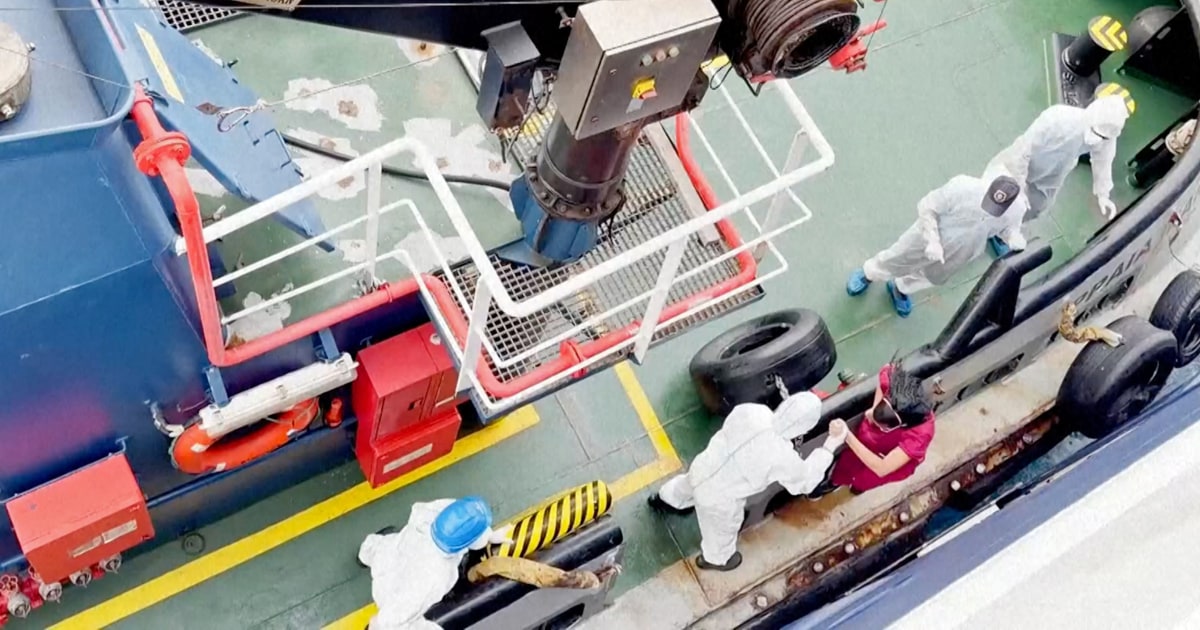
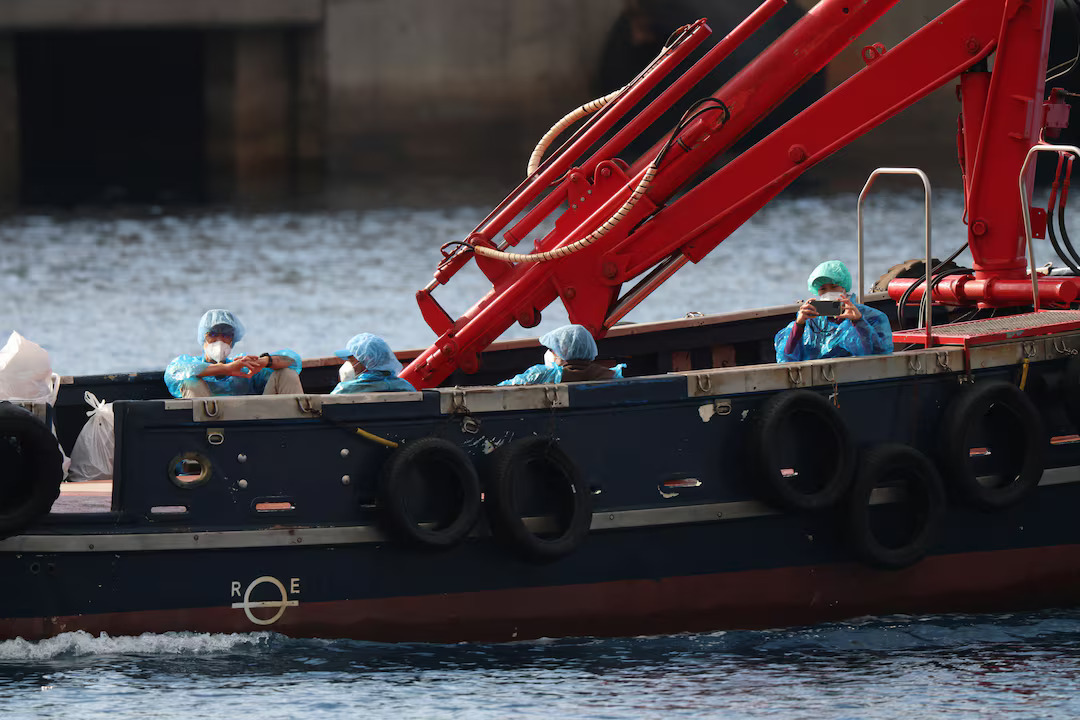
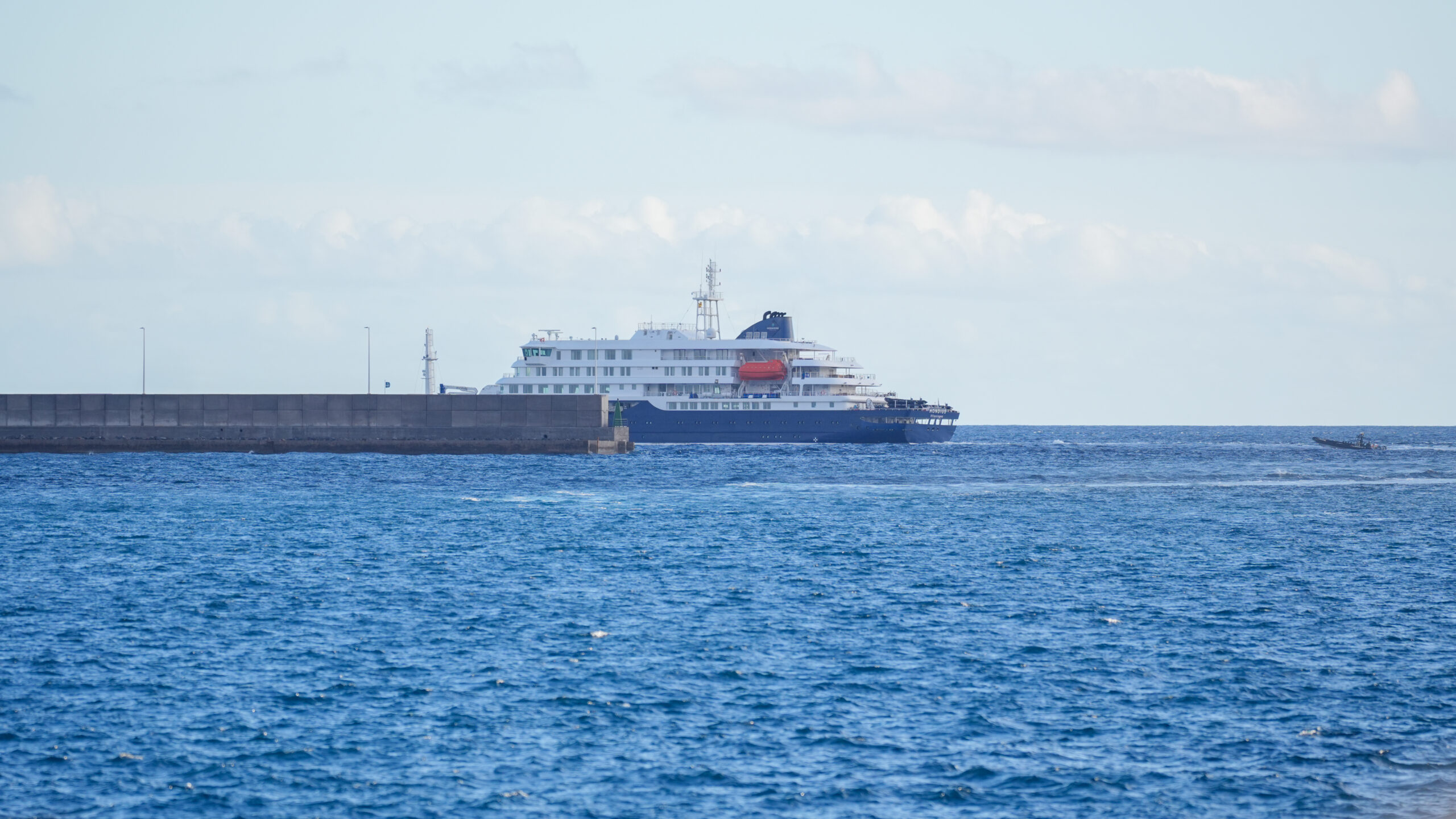
The Spanish government announced Tuesday that it will receive a cruise ship experiencing a deadly hantavirus outbreak at one of its ports in the Canary Islands, providing a safe harbor for the vessel as health officials work to contain the spread of the rare but potentially fatal disease. Three people with possible symptoms of hantavirus were evacuated Wednesday morning from the Dutch-flagged MV Hondius, marking an escalation in the public health emergency that has left the cruise ship stranded at sea.
Hantavirus represents a serious public health threat, as the disease can cause severe respiratory illness and has a significant mortality rate if left untreated. The virus is typically transmitted through contact with infected rodents or their droppings, urine, or saliva, though human-to-human transmission can occur in certain circumstances. The outbreak aboard the cruise ship has raised concerns about how the virus entered the ship's environment and whether proper containment measures can prevent further spread among passengers and crew members.
The decision by Spanish authorities to harbor the vessel in the Canary Islands demonstrates international cooperation in addressing maritime health emergencies, though it also presents logistical and public health challenges for local authorities. Spanish health officials will need to coordinate with international health organizations and the ship's medical team to ensure proper isolation protocols, medical treatment for affected individuals, and screening procedures for all passengers and crew members before allowing anyone to disembark.
The MV Hondius evacuation of three individuals with potential symptoms indicates that the outbreak may be spreading beyond the initially identified cases, creating urgency around containment efforts and medical intervention. Cruise ships present particular challenges for disease containment due to their enclosed environment, shared air circulation systems, and close quarters that facilitate transmission of infectious diseases between passengers and crew members.
The hantavirus outbreak represents one of the more unusual health emergencies to affect the cruise industry, which has faced various disease outbreaks in recent years including norovirus and other infectious diseases. The Spanish government's willingness to provide port services despite the health risks demonstrates the international maritime principle of providing assistance to vessels in distress, while also highlighting the complex public health considerations involved in managing infectious disease outbreaks in international waters.