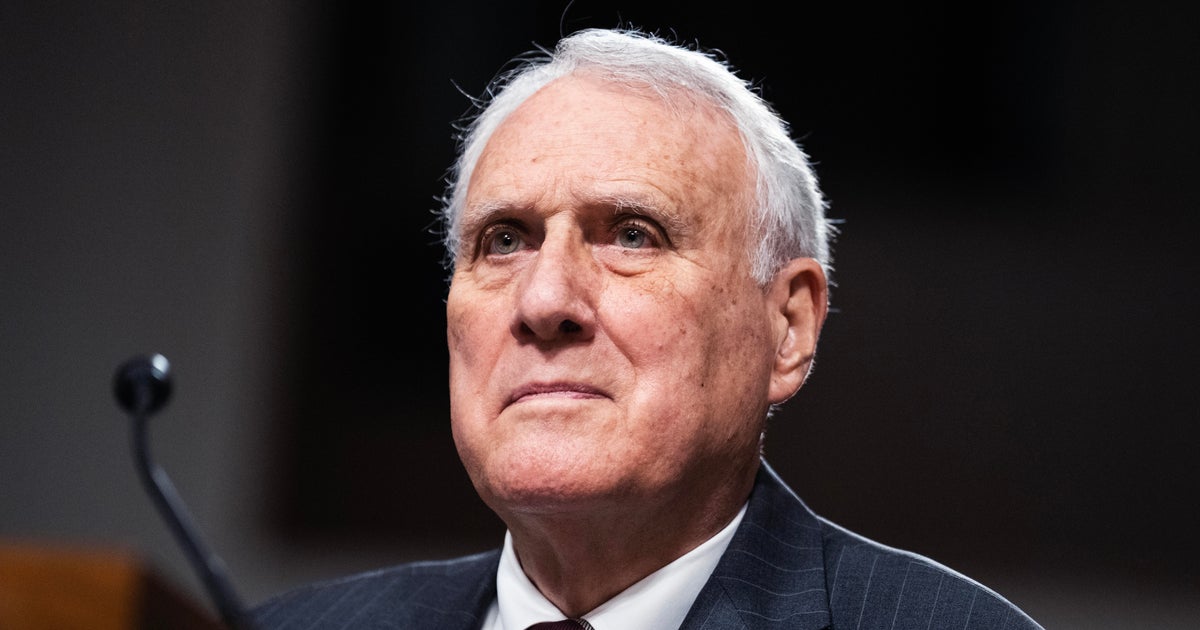
Gloria Steinem Died at 92 at Her Home in Manhattan. She Co-Founded Ms. Magazine in 1972
The Gloria Steinem Foundation announced her death Thursday and did not give a cause. She spent six decades arguing that women's equality was a structural problem, not a personal one.
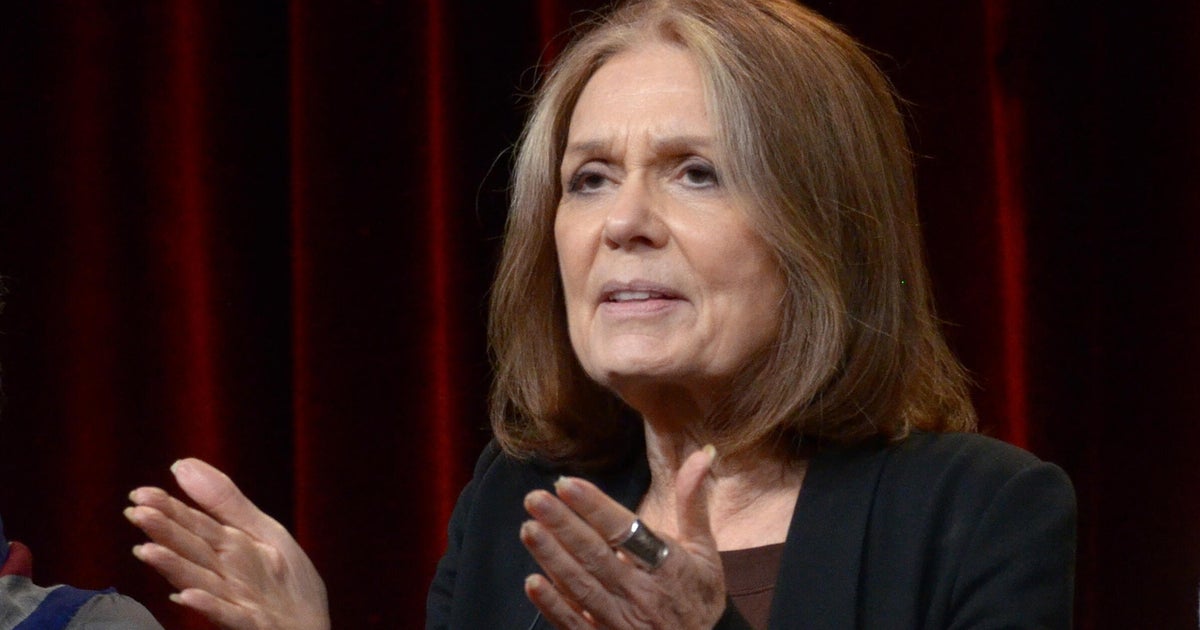
Gloria Steinem died peacefully at her home in New York City on Thursday, the Gloria Steinem Foundation announced. She was 92. The foundation did not disclose a cause of death.
Steinem was born in Toledo, Ohio, on March 25, 1934, and graduated Phi Beta Kappa from Smith College in 1956. She came to public attention as a magazine writer at a moment when women who wrote for magazines were expected to write about clothes and marriage. She wrote instead about abortion, about political conventions, and about what it was like to work as a Playboy Bunny, a job she took undercover in 1963 to report on how the women in it were treated.
In 1972 she co-founded Ms. Magazine with Dorothy Pittman Hughes. It was the first national American magazine run by women for a readership of women that treated equality as its subject rather than its garnish, and it carried stories on domestic violence, workplace discrimination, and reproductive rights years before most of the mainstream press would touch them. The following year she founded the Ms. Foundation for Women, which has spent five decades funneling money to grassroots organizations run by women, many of them small groups that no other donor would fund.
Hillary Clinton, reacting to the news, described Steinem's role in blunt structural terms. "She was one of the architects of the entire structure of women's equality, I mean tearing down those obstacles," Clinton said. That framing matches how Steinem herself talked about the work. She resisted being cast as a personality and insisted the movement's gains came from organizing, not from individual charisma.
President Barack Obama awarded her the Presidential Medal of Freedom in 2013, the nation's highest civilian honor. By then she had become one of the few activists of her generation whose name was recognized by people who disagreed with almost everything she stood for, and she kept traveling and speaking well into her eighties.
She married the human rights activist David Bale in 2000, at the age of 66, after decades of publicly questioning the institution. "We shocked ourselves, both of us," she said of the decision. "Neither one of us thought that we wanted to get married." Bale died of brain lymphoma three years later.
Steinem's legacy is unusually easy to measure and unusually hard to summarize. The specific fights she picked — legal abortion, equal pay, credit in a woman's own name, the word "sexual harassment" existing at all as a legal category — have outcomes you can look up. The broader argument she made, that the arrangements people call natural are usually just old, has outlasted her.