Gas Prices Approach $5 Per Gallon as States Consider Tax Relief
National averages climb amid Iran war tensions while Trump administration and state officials explore suspending gas taxes to provide consumer relief.
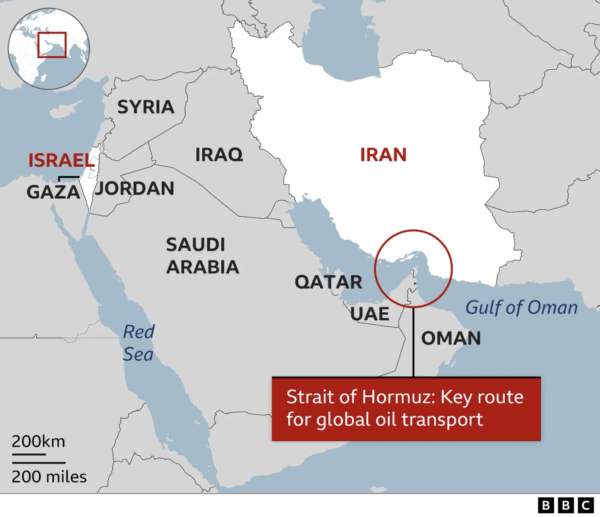
National gas price averages are heading toward $5 per gallon as the ongoing Iran war continues to disrupt global energy markets, prompting discussions at both federal and state levels about temporarily suspending gas taxes to provide relief to American consumers. One state has already suspended its gas tax, while President Trump and his Cabinet are actively considering similar federal action.
The escalating fuel costs represent a significant economic burden for American families already grappling with broader inflationary pressures. The price increases vary significantly by geographic location, with some regions experiencing more dramatic spikes than others depending on their proximity to major refineries and distribution networks.
Analysis of regional price data reveals substantial variations in how the Iran conflict has affected different parts of the country. Areas with greater dependence on imported oil or longer supply chains have seen more pronounced price increases, while regions with robust domestic production and shorter transportation routes have experienced more moderate impacts.
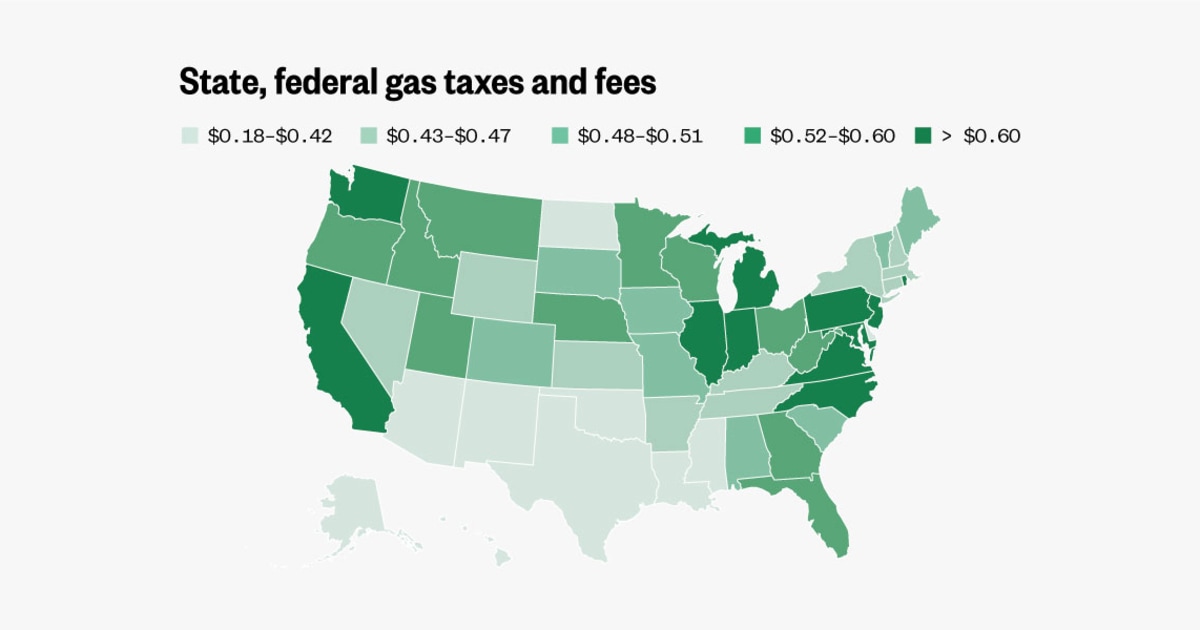
The federal gas tax, combined with varying state taxes, adds a significant portion to the cost of each gallon of gasoline. Suspending these taxes could provide immediate relief to consumers, though economists debate the long-term effectiveness of such measures and their impact on infrastructure funding that depends on gas tax revenue.
State governments are taking varied approaches to address the crisis, with some moving quickly to suspend their gas taxes while others are exploring alternative relief measures such as direct rebates to consumers or temporary reductions in other fees. The patchwork of responses reflects differing state fiscal situations and political priorities as officials balance the need for consumer relief against the importance of maintaining transportation infrastructure funding.