EEOC Under Fire for Pursuing Trump-Aligned Discrimination Cases
Field staff report pressure to bring politically charged cases even with little evidence, raising concerns about agency independence.
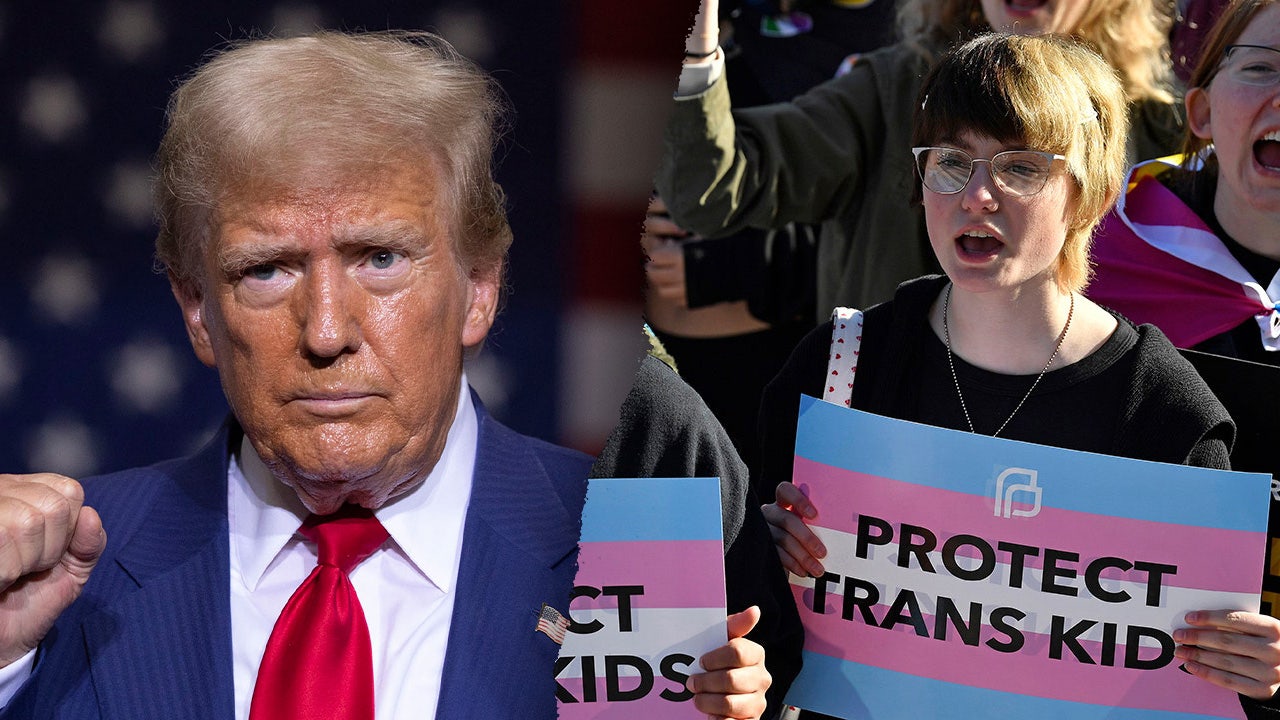
Field staff at the Equal Employment Opportunity Commission are reporting they face pressure to prioritize job discrimination cases that align with the Trump administration's political agenda, even when evidence supporting such cases appears weak. The allegations raise serious questions about the independence of the federal agency responsible for enforcing workplace civil rights laws and protecting workers from discrimination.
The EEOC, established in 1965 to enforce federal laws prohibiting employment discrimination, has traditionally operated with a degree of independence from direct political interference. However, multiple field staff members have come forward with concerns that current leadership is directing resources toward cases that serve partisan political purposes rather than following standard protocols based on evidence strength and legal merit.
According to sources within the agency, staff attorneys and investigators are being encouraged to pursue cases involving claims of discrimination against conservative employees or cases challenging diversity, equity, and inclusion programs in the workplace. These sources, who spoke on condition of anonymity due to fear of retaliation, describe an atmosphere where political considerations appear to outweigh traditional legal and evidentiary standards.
The reported shift in priorities has created tension within the agency, with career employees expressing concern that the EEOC's mission to protect all workers from discrimination is being compromised. Some staff members worry that pursuing weak cases for political reasons could ultimately harm the agency's credibility and effectiveness in addressing legitimate discrimination claims. The EEOC processes tens of thousands of discrimination complaints annually, and any perception of political bias could undermine public confidence in the agency's work.
Legal experts and civil rights advocates have expressed alarm about the allegations, noting that the EEOC's independence is crucial for maintaining public trust in federal anti-discrimination enforcement. They argue that allowing political considerations to drive case selection could set a dangerous precedent for other federal agencies and potentially leave vulnerable workers without adequate protection from workplace discrimination. The administration has not yet responded to requests for comment about the allegations.