Chickens Without Eggs: De-Extinction Company Creates Artificial Alternative
Breakthrough technology could revolutionize poultry industry and support conservation efforts for endangered bird species worldwide.
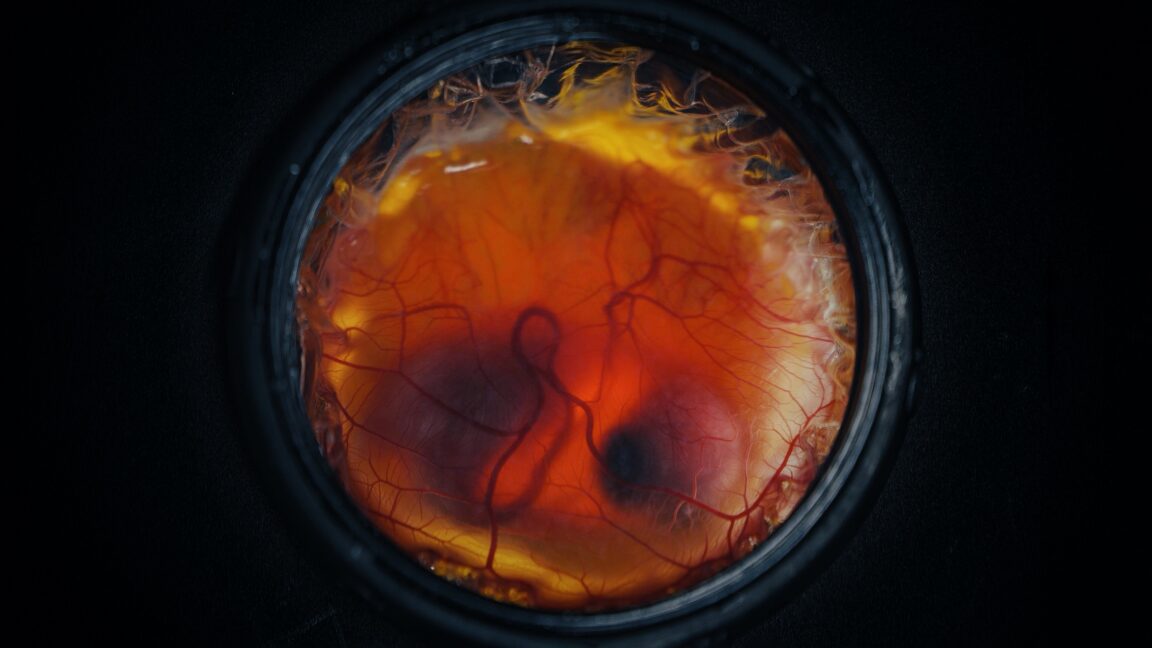
A de-extinction company has achieved a significant biotechnology breakthrough by successfully creating artificial eggs that could fundamentally transform both commercial poultry production and wildlife conservation efforts. The development represents a major advancement in reproductive technology that could address food security challenges while providing new tools for preserving endangered bird species.
The artificial egg technology emerged from research initially focused on de-extinction efforts - the scientific attempt to bring back species that have gone extinct. Companies working in this field have been developing increasingly sophisticated techniques for manipulating reproductive biology, and the artificial egg represents one of the most practical applications of this research to date. The technology could potentially eliminate the need for traditional egg production in certain applications.
While specific details about the artificial egg's composition and production methods remain proprietary, the breakthrough addresses several critical challenges facing both the poultry industry and conservation biology. For commercial applications, artificial eggs could provide more consistent supply chains and potentially reduce production costs. For conservation efforts, the technology could enable scientists to support breeding programs for endangered bird species without relying on natural reproduction cycles.
The development comes at a time when both food security and biodiversity conservation have emerged as pressing global concerns. Traditional poultry farming faces increasing pressure from resource constraints, disease outbreaks, and environmental regulations, while many bird species continue to face extinction threats. Artificial egg technology could provide solutions for both challenges by offering alternative production methods that don't rely on maintaining large populations of live birds.
Industry experts suggest that while the technology is still in early stages, it could eventually scale to commercial applications if production costs can be controlled. The implications extend beyond simple food production to include pharmaceutical applications, research uses, and conservation programs. However, regulatory approval processes and consumer acceptance remain significant hurdles that must be addressed before widespread adoption becomes possible. The success of this initial breakthrough suggests that artificial reproductive technologies may play an increasingly important role in addressing 21st century challenges related to both food security and species preservation.